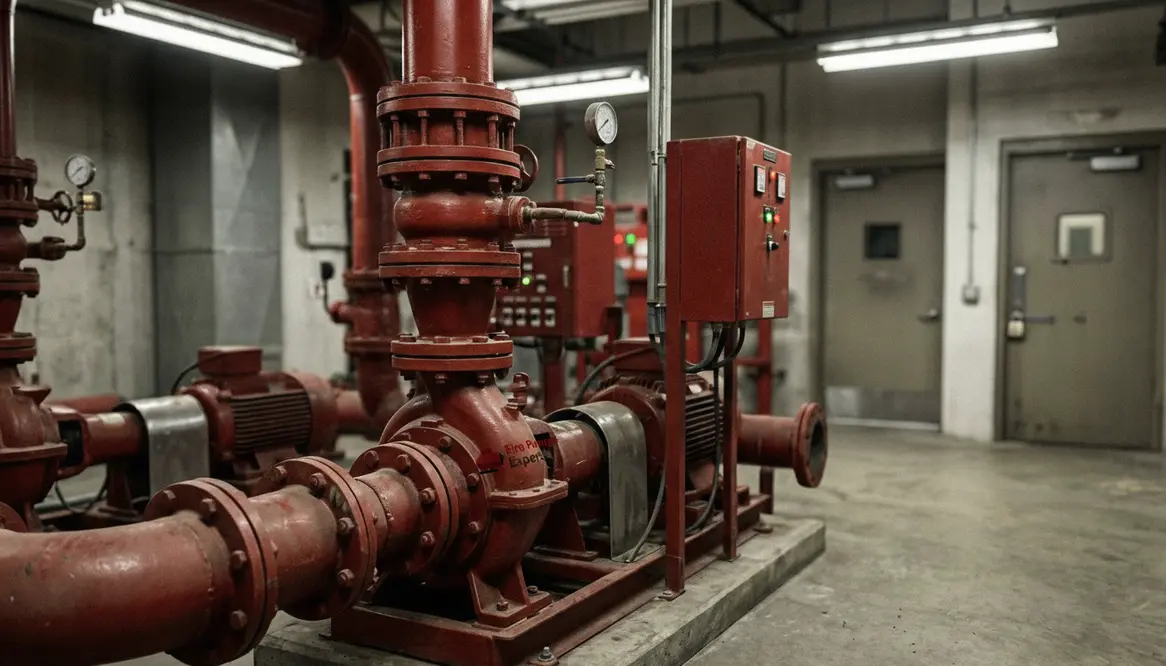
Utility Energy Facility Fire Pumps for Government
I have spent years around large, high stakes buildings, the kind where decisions shape cities and policies ripple across nations. And if there is one quiet hero I have come to respect, it is the fire pump. Specifically, utility energy facility fire pumps. These systems do not make headlines, but they stand ready behind the scenes, prepared to move water with serious force the moment danger appears. In government buildings, where continuity matters and downtime is not an option, they are less of a backup and more of a silent guarantee.
Why Government Buildings Demand More Than Basic Fire Protection
Government facilities are not your average office spaces. They house critical infrastructure, sensitive data, and often large numbers of people. Because of that, I have seen how fire protection here must go beyond minimum code compliance.
For instance, sprinkler systems alone cannot perform without reliable water pressure. That is where fire pump systems step in. They ensure consistent flow, even when municipal supply drops or fails. Moreover, these buildings often operate around the clock. So, unlike a sleepy warehouse, they cannot afford a system that hesitates.
And yes, if Hollywood has taught us anything, it is that chaos tends to arrive uninvited. I prefer to plan for it rather than wait for a dramatic soundtrack.
How Do Fire Pumps Actually Protect Critical Infrastructure?
At their core, fire pumps take water and move it faster, farther, and with greater pressure. However, the real magic lies in how they integrate with the building’s entire fire protection network.
When a fire event triggers the system, the pump activates almost instantly. As a result, sprinkler heads, standpipes, and hoses receive the pressure they need to control or suppress flames. Without that boost, even the best designed systems can fall short.
Additionally, modern systems monitor performance in real time. That means facility managers can catch issues before they become failures. It is a bit like having a bodyguard who also texts you updates. Quiet, efficient, and always alert.
Utility Energy Facility Fire Pumps in High Security Environments
Now, let us step into the world of high security government sites. These environments demand reliability that borders on obsession. I have seen facilities where redundancy is not optional, it is expected.
Utility energy facility fire pumps are built to meet that expectation. They operate under demanding conditions and support large scale systems that protect entire complexes. Furthermore, they are designed to handle fluctuations in power and supply, which is critical when external utilities become unstable.
Because of this, decision makers often prioritize durability and performance over cost. After all, when the stakes include national operations, cutting corners is not exactly a winning strategy.
Choosing the Right System for Large Government Facilities
I often get asked what separates a good system from a great one. The answer lies in alignment. The pump must match the building’s size, layout, and risk profile. For many campuses, utility energy facility fire pumps become the backbone of that alignment, tying together capacity, redundancy, and reliable performance under pressure.
Key Considerations
- Building height and square footage
- Water supply reliability
- Required pressure levels
- System redundancy needs
Operational Priorities
- Continuous uptime
- Easy maintenance access
- Integration with monitoring systems
- Compliance with strict codes
While that may sound straightforward, each factor interacts with the others. Therefore, selecting the right system becomes a strategic decision, not just a technical one. And yes, this is one of those moments where guessing is not your friend.
The Role of Maintenance in Long Term Protection
Even the most advanced system will fail if it is neglected. I have seen pristine installations lose effectiveness simply because regular testing was skipped.
Routine inspections ensure that pumps start correctly, maintain pressure, and respond without delay. In addition, scheduled maintenance helps extend the life of the equipment, which is especially important in large scale government properties.
Think of it this way. You would not buy a high performance car and never change the oil. The same logic applies here, except the consequences are far more serious.
For mission critical campuses that rely on utility energy facility fire pumps, a disciplined maintenance program is not a luxury; it is part of the life safety system itself.
Future Ready Fire Protection for Government Facilities
Technology continues to reshape how we approach fire safety. Today’s systems are smarter, more connected, and easier to monitor remotely. As a result, facility managers gain greater control and faster response times.
Looking ahead, integration with building automation systems will become standard. This allows fire pumps to communicate with alarms, security, and even energy systems. Consequently, responses become more coordinated and efficient.
And while we may not be at the level of sci fi self aware buildings just yet, we are certainly moving in that direction. Hopefully without the part where the building locks the doors on everyone.
As platforms such as https://firepumps.org and similar resources push standards forward, more government teams are recognizing how central properly specified utility energy facility fire pumps are to resilient, future ready protection.
FAQ: Fire Pumps in Government Buildings
Protect What Matters Most
In my experience, the best fire protection systems are the ones you never have to think about because they simply work. Investing in the right solution, supported by expert design and maintenance, ensures that government buildings remain safe, operational, and prepared. If you are responsible for a large facility, now is the time to evaluate your system and strengthen it with proven fire pump solutions built for serious demands.
From cabinet level campuses to regional data centers, utility energy facility fire pumps give these properties a reliable backbone for life safety, business continuity, and the everyday peace of mind that comes from knowing the quiet hero in the basement is ready for whatever happens next.