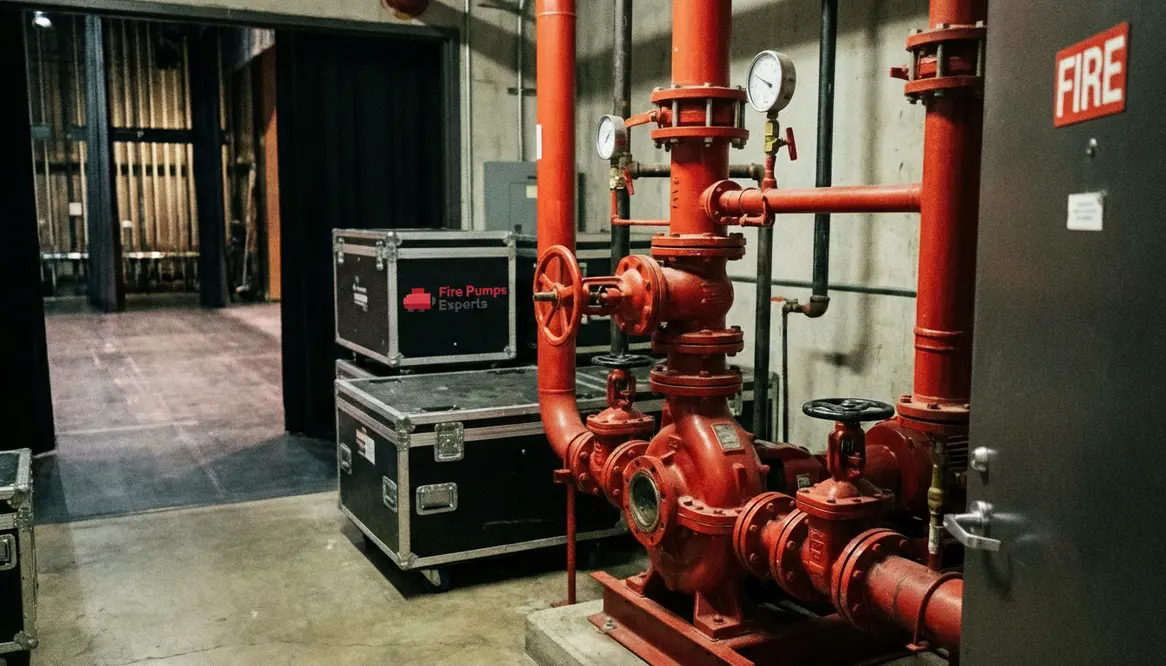
Fire Pump Systems for Performing Arts Centers
I have always believed that a theater holds more than lights and velvet seats. It holds memory, emotion, and the quiet electricity of anticipation. Yet behind every standing ovation sits something far less glamorous but absolutely vital: safety. That is where Fire Pump Systems for Performing Arts Centers step into the spotlight. Within the first moments of a fire emergency, these systems decide whether a story ends in applause or chaos. And trust me, nobody buys a ticket for chaos.
Why Fire Protection in Performance Venues Demands Precision
Performing arts buildings are not your average commercial spaces. They combine dense crowds, complex stage mechanics, and often historic architecture. Because of this, I treat fire protection here as both science and art. A single oversight can ripple fast, especially when curtains, props, and acoustic materials join the party uninvited.
Moreover, these venues operate under tight schedules. Shows must go on, as they say. Therefore, systems must be reliable without interrupting daily operations. I often compare it to a stage crew you never see but absolutely depend on. Quiet, precise, and always ready.
In addition, many performance spaces include concealed voids above ceilings and below stages. These hidden areas can allow fire to travel faster than gossip at intermission. So, thoughtful system design is not optional. It is essential.
Fire Pump Systems for Performing Arts Centers and Why They Matter
When I talk about fire pump systems in these environments, I am not just referring to equipment. I am talking about pressure, timing, and control working in harmony. These systems ensure that sprinklers and standpipes receive the water flow they need, exactly when they need it.
However, not all systems are created equal. Performing arts centers often require higher reliability due to occupancy levels and building complexity. For instance, during a sold out show, evacuation takes time. That means suppression systems must act quickly to control fire growth.
Also, redundancy becomes a key player. Backup power sources and secondary pumps are not luxuries. They are safeguards. Because if one component fails, the system cannot take a bow and exit stage left.
What Makes Cultural Buildings More Vulnerable to Fire Risks
I have walked through enough theaters to know that beauty often comes with risk. Rich wood finishes, layered fabrics, and intricate set designs can all fuel a fire. While they look stunning under stage lights, they behave very differently under heat.
Additionally, temporary stage setups change frequently. One week you have a minimalist drama. The next, a full scale musical with elaborate scenery. Each shift introduces new fire loads and new hazards. So, flexibility in fire protection design becomes critical.
Meanwhile, older venues add another layer of challenge. Retrofitting modern systems into historic structures requires careful planning. You cannot simply tear into walls without preserving the character that makes the space special. It is a delicate balance, like performing Shakespeare without overacting.
How Do I Design Fire Protection Without Ruining Aesthetic Appeal
This is the question I hear most often, and honestly, it is a fair one. Nobody wants a sprinkler head stealing focus from a grand chandelier. Fortunately, modern systems allow us to blend safety with design.
For example, concealed sprinklers and strategically placed piping can remain nearly invisible. At the same time, advanced fire pump solutions ensure performance without demanding attention. It is a bit like good sound design in a film. You notice it only when it is missing.
Design Priorities
- Preserve architectural integrity
- Maintain clear sightlines
- Support flexible stage layouts
- Ensure code compliance
Engineering Solutions
- Concealed sprinkler systems
- Compact fire pump installations
- Zoned suppression controls
- Smart monitoring technology
Because of these approaches, I can protect both the building and its artistic soul. And frankly, that balance is where the real magic happens.
Smart Monitoring and Maintenance Keep Systems Ready
Even the best system will fail if ignored. That is just reality. Therefore, ongoing inspection and testing are non negotiable. I always emphasize routine maintenance because small issues tend to grow quietly until they are anything but small.
In addition, modern monitoring tools provide real time data. This allows facility managers to catch problems early. Think of it as giving your building a voice that says, “Hey, something is off,” before it becomes a headline.
Also, trained staff play a major role. Technology helps, but human awareness seals the deal. When teams understand how systems work, they respond faster and more effectively. And in emergencies, seconds matter more than speeches.
Planning for Large Crowds and Complex Evacuations
Whenever I design fire protection for a performance venue, I imagine the worst case scenario. Not because I enjoy drama, but because preparation saves lives. Large audiences require clear evacuation paths, reliable alarms, and coordinated system responses.
Furthermore, fire pump systems support these efforts by maintaining pressure across multiple zones. This ensures that suppression efforts remain effective, even in expansive facilities. Without that consistency, protection becomes uneven, and that is a risk no venue should accept.
And yes, I have heard every excuse in the book about cutting corners. None of them sound convincing when safety is on the line. Not even if delivered by a Tony Award winner.
Designing Fire Pump Systems for Performing Arts Centers With Confidence
Truly resilient Fire Pump Systems for Performing Arts Centers start long before the first ticket is sold. Collaboration between fire protection engineers, architects, and venue operators shapes how water moves through the building when it matters most. From pump room location to riser routing and sprinkler zoning, every choice becomes part of the life safety script.
Good design accounts for acoustics, vibration, and access. A poorly isolated fire pump can transmit noise into quiet rehearsal rooms, while cramped layouts make future maintenance a backstage nightmare. Smart layouts give technicians room to work, keep controls intuitive, and still protect the architectural storytelling that audiences see from their seats.
I also look carefully at water supply reliability. Municipal pressure alone may not support performance under peak fire conditions, especially in dense urban districts. That is where robust Fire Pump Systems for Performing Arts Centers become the headliners of the protection strategy, boosting and stabilizing pressure so sprinklers, hose valves, and standpipes deliver exactly what fire crews expect.
Future Ready Fire Pump Systems for Performing Arts Centers
Performing arts facilities rarely stand still. Programming evolves, stages are reconfigured, and new technologies arrive with each season. Future ready Fire Pump Systems for Performing Arts Centers are designed with that evolution in mind. Capacity margins, modular controls, and space for potential equipment upgrades all help the system keep pace with creative ambition.
Digital tools can support this evolution, from cloud connected monitoring panels to performance dashboards that track test results, alarm history, and pump curve trends over time. When facility leaders can see how the system behaves across seasons, they are far better prepared to schedule maintenance, plan capital upgrades, and justify budgets to boards and city officials.
Conclusion: Protect the Stage Before the Curtain Rises
When I look at a performing arts center, I see more than a building. I see a living space that deserves protection as much as performance. Investing in the right fire protection strategy, including dependable pump systems, ensures every show can go on safely. If you manage or design large scale venues, now is the time to act. Because the best performance is one where safety never steals the spotlight, yet always stands ready behind the scenes.