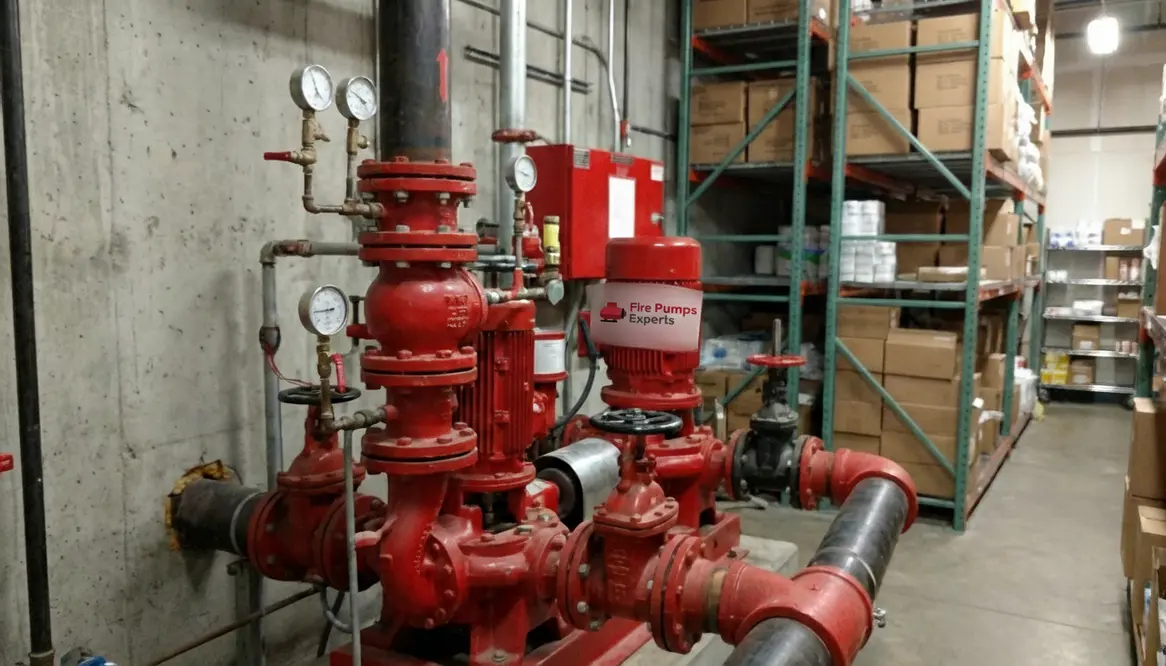
grocery store fire pump systems for safety
I have spent years around commercial facilities where risk never clocks out, and food retail and storage spaces sit high on that list. Between refrigeration systems, dense inventory, and constant foot traffic, the stakes stay real. That is where grocery store fire pump systems step in, quietly waiting like a seasoned night watchman. They do not ask for attention, yet when things go wrong, they become the difference between a bad day and a devastating headline. So, let me walk you through what truly matters here, with a calm voice and maybe a raised eyebrow or two.
What fire protection does a food retail facility actually need
I get this question often, and the answer is simpler than most expect. Food retail spaces demand consistent water pressure and immediate response. Unlike an office, these environments combine electrical loads, flammable packaging, and temperature controlled zones. Therefore, a standard sprinkler setup alone will not always cut it.
Instead, I focus on systems that can sustain pressure even during peak demand. Fire pump systems for supermarkets ensure water reaches every corner, from loading docks to freezer aisles. Additionally, I consider redundancy essential. Because when a system fails during an emergency, there is no polite second chance.
And yes, if you are picturing a dramatic slow motion sprinkler scene from a movie, I regret to inform you real life is far less cinematic and far more urgent.
Why storage areas change everything
Now, let us step into the storage side of the operation. This is where things get serious. High piled storage, tightly packed goods, and limited airflow create conditions where fire spreads faster than gossip in a break room.
Because of that, I always recommend systems designed for higher hazard classifications. Fire pump systems in food warehouses must deliver greater flow rates and maintain pressure across extended zones. Moreover, ceiling height and rack configuration influence how water is distributed.
However, it is not just about power. It is about precision. Too little pressure fails the system. Too much can damage infrastructure. So, balance becomes the quiet hero here.
How grocery store fire pump systems support compliance and safety
I will be honest, compliance is not glamorous. No one throws a party because their facility passed inspection. Yet, it is the backbone of operational safety.
Codes and standards require fire suppression systems to perform under worst case conditions. Therefore, grocery store fire pump systems help facilities meet those expectations without guesswork. They provide the consistent flow needed to satisfy fire codes while protecting assets and people.
Additionally, insurance providers pay close attention to these systems. A properly installed and maintained pump can influence premiums and risk assessments. So yes, while it may not feel exciting, it certainly affects the bottom line.
When you think about long-term risk, grocery store fire pump systems quietly sit near the top of the list of investments that pay you back when it matters most.
Design considerations I never ignore
When I approach a project, I do not just think about today. I think about how the facility will evolve. Because expansion happens, inventory grows, and demands shift.
Key technical factors
- Water supply reliability and source capacity
- Required flow rate based on hazard level
- System pressure consistency across zones
- Backup power integration
Operational considerations
- Maintenance access and testing schedules
- Integration with alarms and monitoring
- Future expansion capability
- Downtime impact on operations
Because if a system becomes difficult to maintain, it will eventually be neglected. And neglected systems tend to fail at the worst possible moment. That is not pessimism, that is experience talking.
The hidden risks most operators overlook
Even well run facilities miss things. I have seen it firsthand. For example, fluctuating municipal water pressure can quietly undermine system performance. Meanwhile, aging components may still function but fail under stress.
So, I always push for regular testing and performance verification. Not just a quick glance, but real data driven checks. Additionally, seasonal changes can affect system behavior. Cold weather, for instance, introduces risks in exposed areas.
And let me say this with a slight grin, ignoring maintenance because everything seems fine is a bit like skipping oil changes because your car still runs. It works right up until it does not.
Where grocery store fire pump systems fit in the bigger picture
Food retail operations live at the intersection of public access, continuous operation, and tightly managed margins. That combination leaves very little room for downtime. When you factor in cold storage, back-of-house prep, loading areas, and retail floors, you begin to see how many moving parts depend on a single safety backbone.
That backbone is supported by grocery store fire pump systems that do not care if it is a busy holiday weekend, a late-night shift, or a quiet Tuesday morning. They exist to deliver reliable water flow when the environment around them is anything but predictable.
FAQ quick answers for busy decision makers
Fast answers before the next meeting starts
You have budgets, staffing, inspections, and a calendar full of competing priorities. To keep things simple, here are straight-to-the-point responses to the questions that come up most often when planning or upgrading fire protection in food retail and storage environments.
Putting it all together before the alarm ever sounds
By the time an alarm activates, every design decision you made is being tested in real time. The layout of the store, the height of the racks, the reliability of the water supply, and the capability of your fire pump are no longer theoretical. They are either working together, or they are not.
That is why grocery store fire pump systems deserve more than a checkbox on a construction drawing. They are tied to your ability to reopen quickly after an incident, protect your inventory, and safeguard the people who rely on your building every day. In other words, they are quietly connected to your reputation as much as your risk profile.
Final thoughts and your next move
When I look at food retail and storage facilities, I see environments that demand quiet strength behind the scenes. Fire pump systems deliver that strength without fanfare. If you are planning, upgrading, or reassessing your facility, now is the time to act. Reach out, ask the hard questions, and make sure your system is ready before it is ever needed. Because preparation, in this case, is everything.
If you want to understand how your existing layout, storage profile, and local water supply impact protection, start by mapping what you have today. From there, compare it to the performance your risk profile truly calls for. Resources such as https://firepumps.org can help frame the technical side, but the most important step is simple: refuse to let grocery store fire pump systems blend into the background of your project. Treat them as the critical safety infrastructure they are, and they will be ready to do their job when everything else feels uncertain.