Power Center Fire Pump Requirements for Retail
I have walked through more anchor tenant retail developments than I can count, and I can tell you this with a steady kind of certainty. Fire safety is not a background detail. It is the backbone. Early in every serious project, I bring up power center fire pump requirements, because if you get that wrong, everything else starts to wobble like a shopping cart with a bad wheel. And nobody enjoys that ride. So today, I am going to walk you through what actually matters, why it matters, and how to keep your development both compliant and quietly heroic.
How I approach fire safety in anchor tenant retail builds
First, I think big. Anchor tenant spaces are not your average storefront. They draw crowds, demand large footprints, and often operate with complex layouts. Therefore, I design fire protection systems that anticipate scale and movement.
Next, I look at occupancy patterns. A grocery store behaves differently than a home improvement giant. However, both need systems that respond fast and reliably. So I map out risk zones, paying attention to storage areas, loading docks, and concealed spaces.
Then, I align everything with code while keeping real world conditions in mind. Codes set the floor, not the ceiling. If you build only to minimum standards, you are basically saying, “I will do just enough to pass.” That might work in school. It does not work when lives and assets are on the line.
Power center fire pump requirements in large retail environments
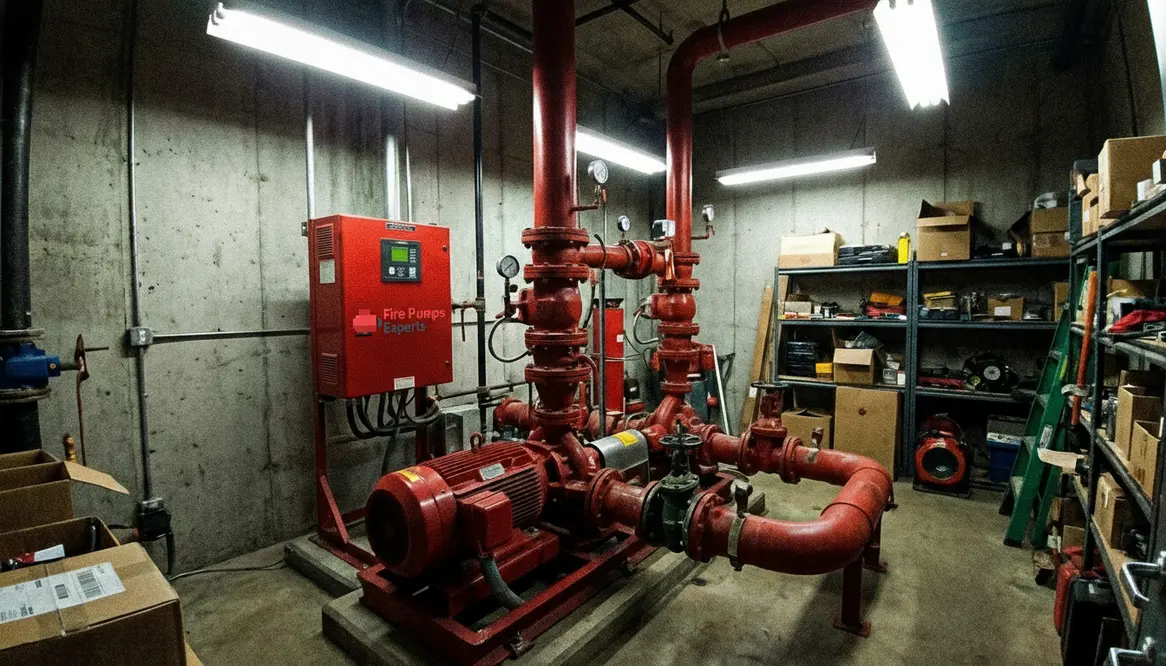
Now let us talk about the heart of the system. Fire pumps. Specifically, how they serve anchor tenant developments where water demand can spike faster than a blockbuster opening weekend.
I ensure the pump system supports peak flow across multiple zones. Because when sprinklers activate in one area, pressure cannot drop elsewhere. That is how small problems become big headlines.
Additionally, I focus on redundancy. A single point of failure is not just a design flaw. It is an invitation for disaster. So I often recommend backup power sources and carefully placed pump rooms that remain accessible under stress conditions.
And yes, I coordinate closely with municipal supply. If the city water cannot keep up, the pump must carry that burden. Think of it as the unsung bodyguard. Quiet. Strong. Always ready.
What do anchor tenants need from a fire protection system?
They need consistency. Plain and simple. Whether it is a national retailer or a flagship warehouse style store, operations cannot pause for system failures.
I design systems that integrate detection, suppression, and alerting in one smooth chain. When a sensor trips, sprinklers respond without hesitation, and alerts reach both occupants and emergency services.
Moreover, I account for future changes. Retail spaces evolve. Walls move. Inventory shifts. Therefore, flexibility is not a luxury. It is a necessity.
Also, let us be honest. Retailers care about uptime. If your system causes frequent disruptions, you will hear about it. Probably in a meeting that could have been an email. So I build for reliability first, and convenience second.
Designing systems that scale with tenant demands
Planning
I begin with infrastructure that can expand. Oversized mains, strategic valve placement, and accessible risers make future upgrades less painful.
Then, I coordinate with tenant improvement teams. Because if they walk in and start cutting into critical lines, we have a problem. Communication saves time, money, and a few gray hairs.
Execution
I verify installation quality at every step. A perfect design means nothing if execution falls short. So I stay involved during construction and testing.
Finally, I ensure documentation is clear. When teams understand the system, they maintain it better. And a well maintained system is a reliable one.
Compliance, inspections, and staying ahead of trouble
Compliance is not a one time event. It is an ongoing commitment. I schedule regular inspections and performance tests to confirm everything works as intended.
Meanwhile, I keep an eye on evolving codes and standards. Regulations shift, and what passed last year might not pass tomorrow. Staying ahead keeps clients out of trouble and ahead of risk.
I also train onsite teams. Because in an emergency, seconds matter. If staff know what to do, the system becomes even more effective. If they do not, even the best design can fall short.
And yes, I document everything. Because when inspectors arrive, you want answers ready, not guesses.
Power center fire pump requirements and long term reliability
Over time, even the best systems need attention. That is where power center fire pump requirements come back into focus. I review performance data, test under load, and confirm that pumps still meet demand.
Additionally, I plan for component replacement before failure occurs. Waiting for a breakdown is like waiting for your car to run out of gas on a highway. Technically possible. Not recommended.
I also evaluate environmental conditions. Heat, moisture, and vibration all take a toll. So I protect equipment accordingly, extending its lifespan and reliability.
In the end, long term reliability is not luck. It is discipline.
Integrating power center fire pump requirements with tenant operations
For retail environments, power center fire pump requirements do not live in a vacuum. They intersect with store hours, delivery schedules, maintenance windows, and even seasonal spikes in occupancy. When holiday traffic packs the parking lot and load factors climb, the systems behind the walls still have to perform exactly as designed.
That is why I coordinate testing and maintenance with operations teams. The goal is simple: keep protection at full strength without disrupting sales. Done correctly, the pumps, controllers, and backup power become part of the building’s muscle memory, always present but never in the way.
Technology, monitoring, and smarter performance data
Modern systems allow continuous monitoring of pressures, flows, and alarm conditions. This is where power center fire pump requirements meet analytics. Instead of waiting for a yearly inspection to reveal a problem, live data can flag drifting performance long before it becomes a failure.
I encourage owners to integrate pump performance into their broader building dashboards. When facilities teams can see trends, they budget better, plan shutdowns with precision, and replace parts before they surprise anyone. That approach turns “compliance” into a competitive advantage: safer buildings, fewer emergencies, and far less drama.
FAQ
Conclusion
When I design fire safety for anchor tenant retail developments, I do not chase minimum standards. I build systems that stand firm under pressure, adapt over time, and protect what matters most. If you are planning or upgrading a commercial property, now is the time to get it right. Reach out, take a closer look at your current setup, and make sure your fire protection strategy is as strong as the business it supports.