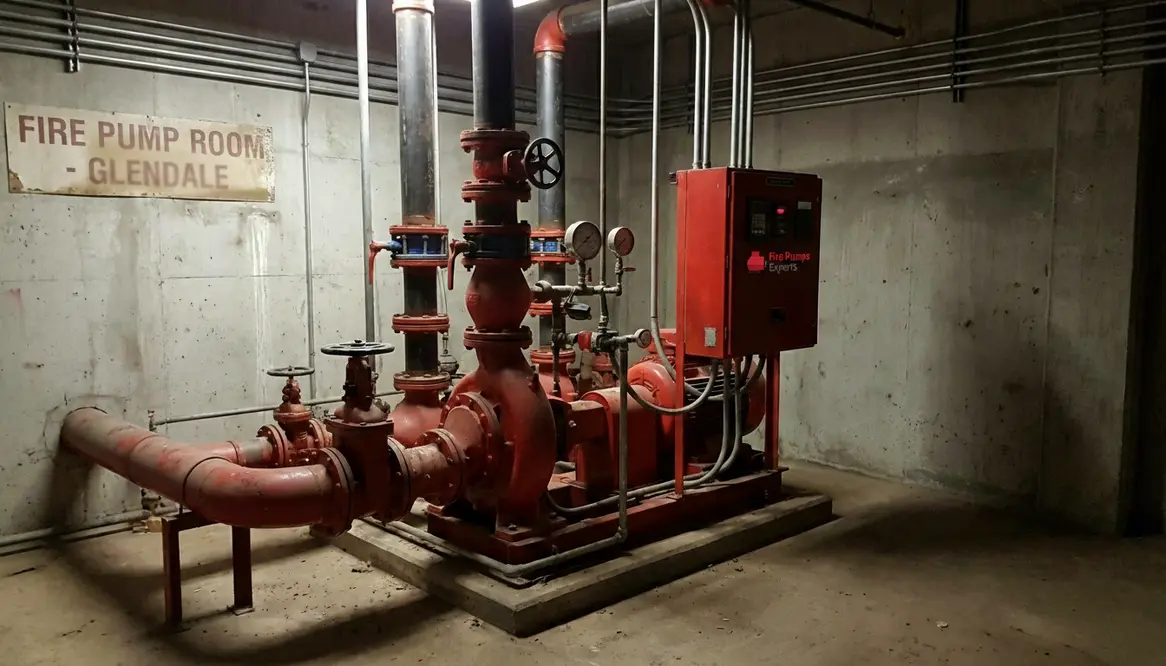
Multi Tenant Fire Pump Glendale CA Design Guide
I have spent years walking through large commercial buildings, listening to the quiet hum of systems that most people never notice. And yet, when it comes to safety, few systems matter more than a well designed multi tenant fire pump Glendale CA setup. In a city like Glendale, where dense commercial properties share walls, utilities, and risks, fire protection is not just a code requirement. It is a responsibility. And yes, while fire pumps are not exactly the Avengers, when things go wrong, they do assemble and save the day.
Understanding the Demands of Multi Tenant Fire Pump Glendale CA Systems
When I approach a multi tenant building, I immediately think about complexity. Multiple occupants mean multiple risk profiles. A medical office does not behave like a restaurant kitchen, and neither behaves like a data center.
Therefore, I design fire pump systems that account for peak simultaneous demand. I do not assume tenants will politely take turns having emergencies. Instead, I calculate worst case scenarios and build from there. Additionally, Glendale regulations require strict adherence to pressure and flow standards, so I align the system with both local codes and NFPA benchmarks.
Moreover, redundancy becomes critical. If one component fails, the system must continue operating. Because in real life, things break. Usually at the worst possible moment. Like your phone battery during an important call.
How Do I Size a Fire Pump for a Multi Tenant Commercial Property
I start with hydraulic calculations. Always. Guesswork belongs in game shows, not fire protection.
First, I evaluate the building height, square footage, and hazard classification. Then I calculate required flow and pressure at the most remote sprinkler head. From there, I factor in friction loss, elevation changes, and system demand diversity.
However, I do not stop at minimum requirements. I build in a margin. Because tenants change. One day it is a quiet office, the next day it is a commercial kitchen with open flames and a chef who thinks he is on a reality show.
As a result, properly sizing a pump ensures consistent performance even as building use evolves over time.
Key Design Factors I Never Ignore in Shared Building Systems
Designing for multi tenant environments requires attention to detail. I focus on factors that keep systems reliable under pressure, literally and figuratively.
Water Supply Reliability
I verify municipal supply consistency and pressure levels. If the supply fluctuates, I compensate with storage tanks or booster configurations.
System Zoning
I divide the building into zones to maintain proper pressure distribution. This prevents over pressurizing lower floors while still protecting upper levels.
Electrical and Backup Power
I ensure the fire pump connects to a reliable power source, often with generators. Because outages and emergencies tend to arrive together.
Maintenance Access
I design layouts that allow technicians to access components easily. No one wants to crawl through a maze during an inspection.
Why Glendale Codes Shape Every Design Decision I Make
Glendale is not a place where you can cut corners. Inspectors know their stuff, and frankly, I respect that. Strong enforcement leads to safer buildings.
So, I align every multi tenant fire pump system in Glendale with California Fire Code requirements and local amendments. This includes seismic bracing, proper clearances, and approved equipment listings.
In addition, I coordinate with other systems like alarms and standpipes. Fire protection does not work in isolation. It is more like a band. If one instrument is off, the whole performance suffers. And no one wants a fire safety system that sounds like a middle school orchestra rehearsal.
Balancing Efficiency and Long Term Performance
Efficiency matters, but not at the expense of reliability. I choose pumps that operate near their best efficiency point under normal conditions. This reduces wear and energy use.
At the same time, I consider lifecycle costs. A cheaper pump upfront can become expensive if it requires frequent repairs. So I invest in durable components and proven manufacturers.
Furthermore, I integrate monitoring systems. Smart controllers provide real time data, allowing facility managers to detect issues early. Think of it as giving your fire pump a voice. Not literally, of course. If your pump starts talking, we have a different problem.
Common Mistakes I See in Multi Tenant Fire Pump Design
I have seen enough design missteps to fill a highlight reel. Unfortunately, it would not be very entertaining.
One major mistake is underestimating demand. Designers sometimes base calculations on current tenants without considering future changes. That shortcut can lead to costly upgrades later.
Another issue is poor coordination. Fire pumps must work seamlessly with piping, controls, and alarms. When teams fail to communicate, gaps appear.
Lastly, I often see neglected testing provisions. A system is only as good as its ability to be tested regularly. Without proper test headers and access, maintenance becomes difficult and compliance suffers.
FAQ About Multi Tenant Fire Pump Systems
What is a multi tenant fire pump system
It is a fire pump designed to serve multiple commercial units within a single building or complex.
Why is proper sizing important
It ensures adequate water pressure and flow during peak demand conditions across all tenants.
Do Glendale buildings require backup power for fire pumps
Yes, most commercial properties require reliable backup power to maintain operation during outages.
How often should fire pumps be tested
Weekly and annual testing is standard under NFPA guidelines.
Can one pump serve different hazard types
Yes, but it must be designed to meet the highest combined demand safely.
Let Us Build Something That Actually Protects People
If you are planning or upgrading a multi tenant fire pump Glendale CA system, I can help you get it right the first time. I focus on performance, compliance, and long term reliability for large commercial properties. Reach out today, and let us design a system that works when it matters most. Because when safety is on the line, good enough is never enough.