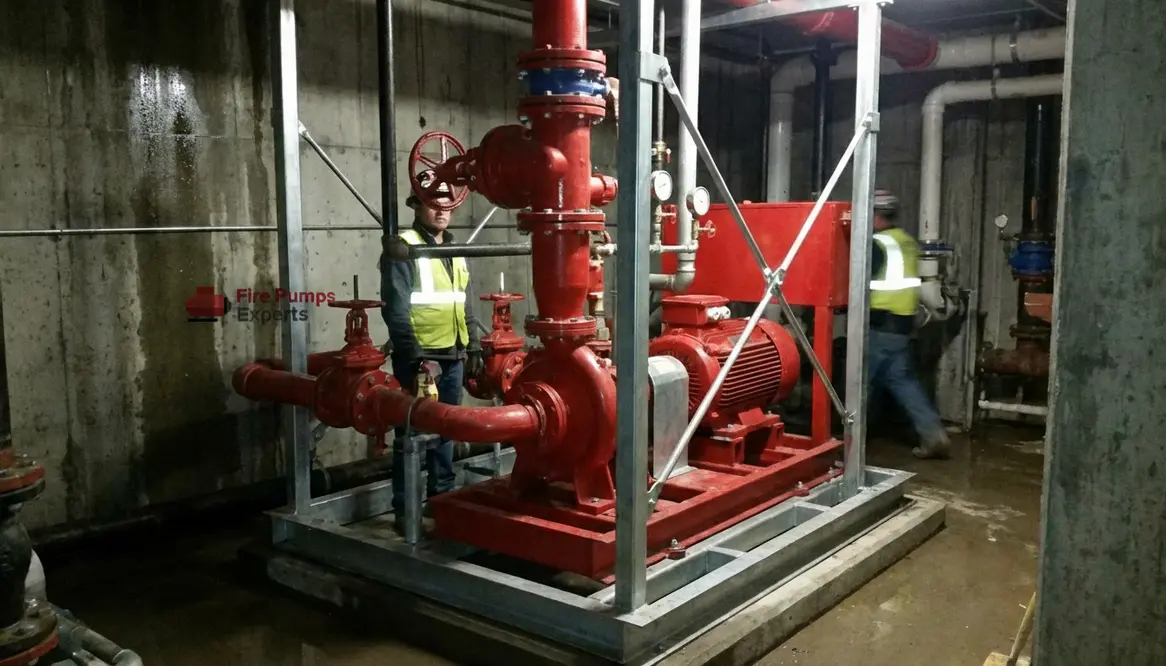
Underground Fire Pump San Francisco Guide
I have spent years walking through concrete corridors beneath San Francisco, where silence feels heavy and every system matters. When it comes to life safety, nothing commands more respect than choosing the right underground fire pump San Francisco facilities depend on. In these hidden environments, water pressure is not just engineering, it is survival. And yes, while it may not sound thrilling at first, stick with me. Fire pumps have more personality than you think. Think of them as the quiet bodyguards of your building, always ready, never asking for applause.
Why underground fire pumps feel different in this city
Beneath San Francisco, the rules change. Space is tighter, temperatures creep up, and every system is expected to keep working even when the earth decides to shake things up. When planning an underground fire pump San Francisco projects can trust, the goal is simple: keep water moving, pressure stable, and failure off the table.
How do I choose the right underground fire pump in San Francisco?
Start with building needs and pressure
I always start with the basics, because skipping them is like building a skyscraper on sand. First, I evaluate the building size, hazard classification, and required flow rate. Then, I look at pressure demands. San Francisco adds its own twist with seismic requirements, so flexibility and anchoring systems matter more than in most cities.
Next, I consider water supply reliability. If the municipal supply drops, your pump cannot shrug and call it a day. Therefore, backup solutions like storage tanks become essential. I also factor in elevation changes. Underground facilities often deal with vertical challenges, and gravity is not always your friend.
Choosing between electric and diesel
Finally, I match the pump type to the application. Electric pumps work well for consistency, while diesel pumps step in when power reliability becomes questionable. Each choice has tradeoffs, and I weigh them carefully, like picking the right actor for a role. You would not cast a comedian in a dramatic thriller. Usually.
When selecting an underground fire pump San Francisco buildings can rely on during outages, I often recommend at least considering a diesel backup so the show goes on even when the grid does not.
Understanding the demands of underground environments
Underground spaces behave differently. Air circulation is limited, heat builds up quickly, and access points can feel like a maze designed by someone who really enjoyed puzzles. Because of this, I always prioritize durability and ease of maintenance.
Additionally, corrosion becomes a silent threat. Moisture levels tend to rise below ground, so I select materials that resist wear over time. Otherwise, what looks solid today could fail quietly tomorrow. And trust me, that is not the kind of surprise anyone wants.
Ventilation also plays a role. Diesel pumps, for instance, require proper exhaust management. Without it, you are essentially creating a very expensive smoke machine. Fun at concerts, not so great in a commercial facility.
Key components I never overlook in fire pump systems
Every system is only as strong as its weakest part. So, I pay close attention to the supporting components that keep everything running smoothly.
Here is what I focus on:
- Pump controller ensures automatic operation during emergencies
- Relief valves protect the system from overpressure
- Jockey pumps maintain pressure without overworking the main pump
- Backflow preventers keep water supply clean and compliant
Moreover, I always think about accessibility. If a technician cannot reach a component بسهولة, maintenance becomes a gamble. And in fire protection, gambling is a terrible strategy.
Underground Fire Pump San Francisco compliance and codes
San Francisco does not play around with safety regulations. I work closely with NFPA 20 standards, local fire codes, and seismic requirements that are unique to the region. While that may sound like a stack of paperwork tall enough to rival a Marvel script, each rule serves a purpose.
For example, seismic bracing ensures the system stays intact during an earthquake. Without it, even the best pump could fail when it matters most. Additionally, I coordinate with local authorities early in the process. This avoids delays and keeps projects moving forward.
Permitting can feel slow, but patience pays off. After all, cutting corners here is like skipping leg day at the gym. It might seem fine at first, but eventually, everything collapses.
When I help design an underground fire pump San Francisco inspectors will actually smile at, the secret is simple: respect the codes, respect the shaking ground, and respect the people who will rely on that system when alarms go off.
Comparing pump types for underground facilities
|
Electric Pumps Reliable and efficient Lower maintenance needs Dependent on power supply |
Diesel Pumps Operate during power outages Require ventilation systems Higher maintenance demands |
I choose between these options based on risk tolerance and infrastructure. In many San Francisco underground projects, I even recommend a combination. That way, if one system takes a break, the other steps up like a well rehearsed understudy.
Design strategies that improve long term performance
Planning for the future
I always think ahead. A well designed system should not just meet today’s needs but also adapt to future changes. Therefore, I allow room for expansion and upgrades. Technology evolves, and your system should not feel stuck in the past like an old flip phone.
Additionally, I integrate monitoring systems that provide real time data. This allows facility managers to catch issues early. Because in this business, early detection is everything.
Making maintenance realistic
I also plan maintenance access routes carefully. It sounds simple, yet it often gets overlooked. When technicians can move freely, inspections happen more often and problems get fixed faster.
With an underground fire pump San Francisco managers trust for the long haul, the design usually looks almost boring on paper: clear paths, labeled valves, readable gauges, smart sensors. In practice, that “boring” planning is what saves the day.
FAQ
Final thoughts and next steps
Choosing the right fire pump system is not just a technical decision, it is a responsibility. I approach every project with care, precision, and a bit of humor to keep things human. If you are planning or upgrading an underground facility, now is the time to act. Reach out, ask questions, and make sure your system is ready before it is ever needed. Because when it comes to safety, preparation always wins.
If you want to understand how your current setup compares to typical design guidance for an underground fire pump San Francisco facilities rely on, start with your last test report, your power reliability, and your seismic bracing. Those three clues will tell you more than a stack of glossy brochures.
From there, lean on qualified fire protection engineers, your local fire department resources, and trusted references such as https://firepumps.org. A well designed underground fire pump San Francisco can count on is not about fancy equipment; it is about thoughtful choices, disciplined maintenance, and a system that quietly stands between normal life and disaster.