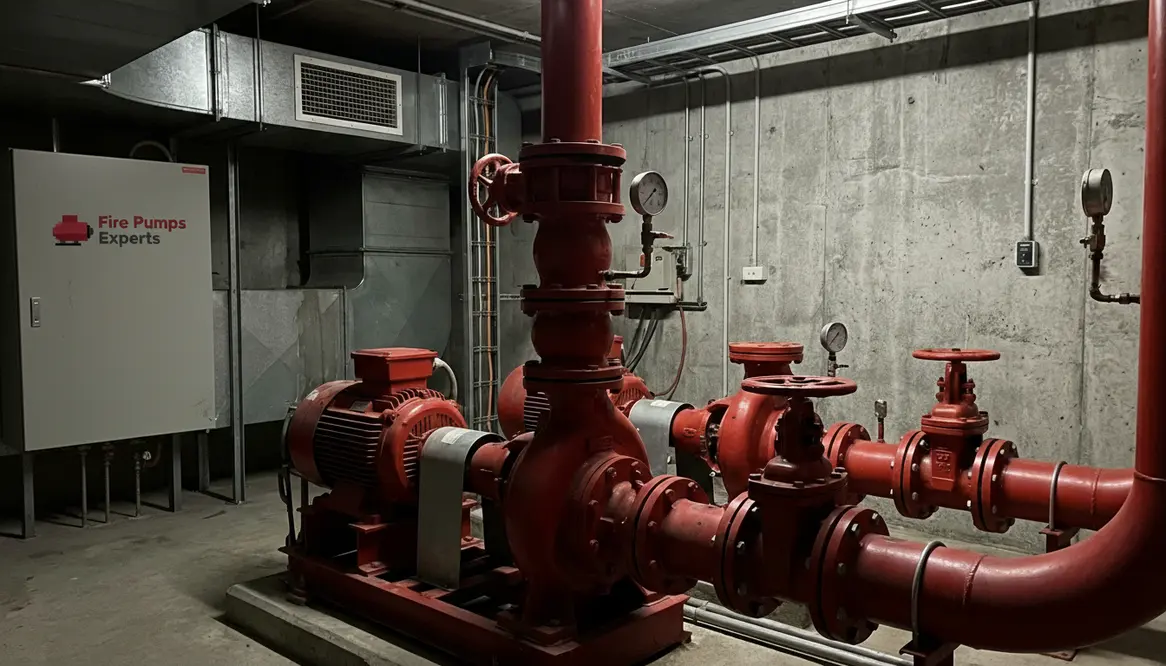
Underground Fire Pump Sydney Guide for Buildings
I have spent years around infrastructure that lives beneath our feet. The kind most people never think about until something goes wrong. And in a city like Sydney, where underground networks stretch like veins through dense commercial zones, fire protection is not optional. It is survival. That is where an underground fire pump Sydney solution quietly takes center stage. It does not seek applause. It just waits, ready to move water with force and precision when everything else is on the line. Think of it as the Batman of building systems. Always there. Rarely noticed. Absolutely essential.
Understanding Fire Pump Roles Below Ground Level
Underground infrastructure presents unique challenges. Space is tight. Access is limited. And yet, the demand for reliable fire suppression is higher than ever. So I rely on fire pumps that can deliver consistent pressure even when the supply system struggles.
These pumps support sprinkler systems, hydrants, and suppression networks across commercial complexes, transport hubs, and industrial facilities. Moreover, they compensate for gravity limitations. Water does not naturally want to climb upward through concrete and steel. A fire pump makes sure it does.
In Sydney’s dense urban core, I often see underground car parks, tunnels, and service corridors relying on these systems. And while they sit out of sight, they remain fully integrated into broader safety strategies. The right underground fire pump Sydney configuration can quietly protect thousands of people moving through a building every day.
Which Fire Pump Types Work Best for Underground Infrastructure in Sydney?
I get this question a lot. The answer depends on the building’s size, water supply, and risk profile. However, a few pump types consistently stand out when planning an underground fire pump Sydney strategy for commercial or industrial spaces.
Electric Fire Pumps
Electric fire pumps are my go to for reliability. They connect directly to power systems and deliver steady performance. However, they need backup power. Because if the lights go out, we do not want the pump taking a nap.
Diesel Fire Pumps
Diesel fire pumps bring independence. They operate without relying on electrical supply. Therefore, they are ideal for critical infrastructure where redundancy matters. They are louder, yes. But in an emergency, nobody is asking for quiet.
Vertical Turbine Pumps
Vertical turbine pumps shine when water sources sit below ground level. These pumps pull water upward efficiently, making them perfect for deep tanks or wells often found in underground builds.
Split Case Pumps
Split case pumps handle high flow rates with ease. I use them in large scale commercial facilities where demand is heavy and constant. They are durable and easier to maintain, which is always a bonus.
Each type serves a purpose. Choosing the wrong one is like bringing a spoon to a sword fight. It just will not end well.
Key Considerations When Selecting an Underground Fire Pump Sydney
When I assess a system, I do not just look at the pump. I look at the entire environment it will operate in. Because context matters.
Water supply and pressure strategy
First, I evaluate water supply. Is it tank fed or connected to mains? Then I consider pressure requirements across the full system. Not just at the pump, but at the farthest sprinkler head.
Redundancy and uptime expectations
Next, I think about redundancy. In commercial and industrial buildings, downtime is not acceptable. Therefore, backup systems are essential.
Ventilation, layout, and compliance
Ventilation also plays a role, especially for diesel units. Underground spaces can trap heat and fumes, which means airflow must be carefully managed.
Finally, I look at compliance. Sydney regulations are strict, and rightly so. Every fire pump installation must meet Australian standards. No shortcuts. No improvisation.
Working with a specialist who understands underground fire pump Sydney requirements and Australian standards keeps you out of trouble when auditors show up with a checklist and a clipboard.
Comparing Pump Types Side by Side
Sometimes, it helps to see things clearly. So here is a simple comparison I often walk clients through.
Electric Pumps
Pros: Quiet, efficient, low maintenance
Cons: Needs backup power
Diesel Pumps
Pros: مستقل operation, reliable during outages
Cons: Noise, exhaust management
Vertical Turbine
Pros: Ideal for deep water sources
Cons: Complex installation
Split Case
Pros: High capacity, easy servicing
Cons: Larger footprint
Each option has its place. The trick is matching the pump to the building, not forcing the building to fit the pump.
Maintenance Practices That Keep Systems Ready
I always say a fire pump is only as good as its last test. And no, turning it on once a year does not count as a relationship.
Routine inspections and testing
Routine inspections are essential. I check pressure levels, flow rates, and mechanical integrity. Additionally, I make sure controllers and alarms respond correctly.
Diesel checks vs electric checks
Diesel systems require fuel checks and engine testing. Electric systems need electrical inspections and backup verification. It is not glamorous work. But it is necessary.
In Sydney’s commercial environments, compliance audits are frequent. Therefore, keeping detailed maintenance records is just as important as the work itself. That is especially true if your underground fire pump Sydney installation supports high occupancy buildings, shopping centres, or transport hubs where risk profiles are elevated.
If you want to go deep into standards and best practice, resources like https://www.firepumps.org can help frame what “good” looks like for pump performance and testing.
FAQ About Fire Pumps in Underground Infrastructure
What is the main purpose of a fire pump?
It boosts water pressure to ensure fire suppression systems work effectively.
Are diesel fire pumps better than electric ones?
Not always. Diesel offers independence, while electric provides efficiency. The choice depends on the building.
How often should fire pumps be tested?
Weekly testing is standard for most commercial systems.
Can underground pumps handle large buildings?
Yes. Properly selected pumps can support high rise and large scale facilities.
Do fire pumps need backup systems?
Yes. Redundancy is critical in commercial and industrial applications.
Final Thoughts and Next Steps
Choosing the right fire pump is not just a technical decision. It is a commitment to safety, reliability, and long term performance. If you manage a commercial or industrial facility in Sydney, now is the time to review your system. Make sure your underground infrastructure is backed by a solution that will not hesitate when it matters most. Reach out, ask the hard questions, and invest in protection that works as hard as you do. And if your building relies on an underground fire pump Sydney system, give it the attention, testing, and care it deserves, long before anyone ever has to rely on it in an emergency.