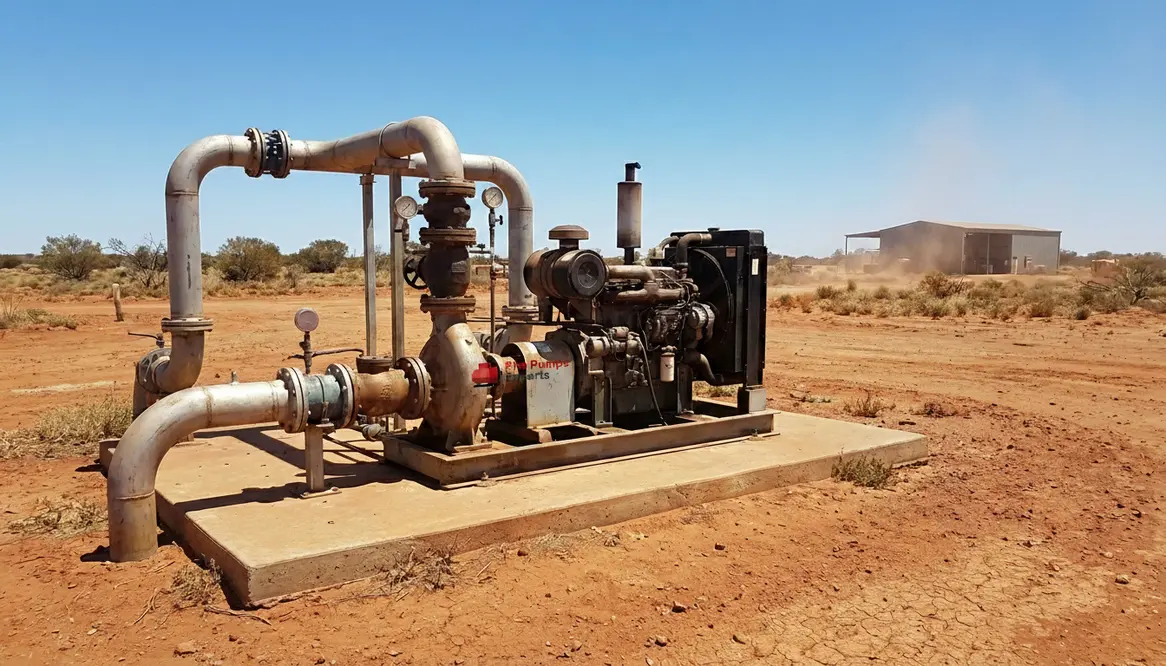
Fire Pump Extreme Heat Australia Performance Guide
I have spent enough time around industrial fire systems to know one thing for certain. Heat changes everything. And when we talk about fire pump extreme heat Australia, we are not talking about a mild summer afternoon. We are talking about conditions that can make steel expand, seals soften, and even the most reliable systems start to sweat a little. In outback regions, where temperatures can push past comfort and straight into survival mode, fire pump performance is not just a technical concern. It is a frontline defense for commercial and industrial facilities that cannot afford failure.
Why Outback Heat Pushes Fire Pumps to Their Limits
First, let me paint the scene. You have a remote processing plant or a large industrial site sitting under a relentless sun. Temperatures climb, surfaces radiate heat, and airflow feels more like a hair dryer than a breeze. Naturally, fire pumps operating in these conditions face constant thermal stress.
As a result, pump components expand, lubrication thins, and electrical systems become more sensitive. Meanwhile, water sources can also heat up, which reduces cooling efficiency. I have seen systems that run perfectly in temperate zones struggle the moment they are placed in extreme Australian climates.
And yes, if you are imagining your pump saying “I am tired, boss,” like in The Green Mile, you are not far off.
How Does Extreme Heat Affect Fire Pump Efficiency?
Let me answer this directly. Heat reduces efficiency by increasing wear and lowering performance margins.
For example, seals and gaskets degrade faster under high temperatures. Consequently, this can lead to leaks or pressure loss. At the same time, motors draw more current as they work harder to maintain output, which increases the risk of overheating or failure.
In addition, suction performance can drop when water temperatures rise. Warmer water has lower density, and that affects how effectively the pump moves it through the system. Therefore, what looks fine on paper may not hold up in real world outback conditions.
So while the system might still run, it is no longer operating at its best. And in fire protection, “almost” is not a comforting word.
Designing Systems for fire pump extreme heat Australia
When I approach system design for these environments, I do not treat heat as an afterthought. I treat it as the main character.
Material Selection
I prioritize components that can handle sustained high temperatures. This includes heat resistant seals, robust casings, and coatings that reduce thermal damage.
Motor Protection
I ensure motors include proper insulation and cooling mechanisms. Otherwise, they risk overheating faster than a laptop running ten browser tabs and a video call.
Ventilation and Housing
I design enclosures that allow airflow while still protecting against dust and debris. Outback conditions demand both.
Water Supply Management
I consider how water temperature impacts performance and plan for storage or shading where possible.
Because of these adjustments, systems can maintain reliability even when the environment refuses to cooperate. When someone mentions fire pump extreme heat Australia conditions, this is exactly the kind of resilience they are talking about.
Maintenance Strategies That Actually Work in High Heat
Now, even the best design will fail without proper maintenance. And in extreme conditions, maintenance is not optional. It is survival.
I always recommend more frequent inspections. Heat accelerates wear, so waiting for standard service intervals is risky. Instead, I focus on checking seals, lubrication levels, and motor temperature regularly.
Additionally, I monitor vibration and noise. These subtle signs often reveal stress before a major failure occurs. And trust me, catching a problem early is far less dramatic than dealing with a full system shutdown during peak heat.
Furthermore, I encourage facilities to keep spare critical components on site. Remote locations do not offer the luxury of quick replacements, and downtime is not something industrial operations can afford when dealing with fire pump extreme heat Australia scenarios.
Operational Adjustments That Improve Reliability
Beyond hardware and maintenance, how you operate the system matters. I often advise facilities to run periodic tests during cooler parts of the day. This helps reduce unnecessary thermal strain while still ensuring readiness.
Moreover, I recommend monitoring system performance trends over time. If output starts to drop or energy use climbs, it is usually a sign that heat is taking its toll.
And let’s be honest, ignoring those warning signs is like ignoring the check engine light. It does not fix itself. It just waits for a worse moment to make a point.
Planning for Long Term Performance in Harsh Climates
Looking ahead, I see more facilities investing in smarter monitoring systems. Sensors that track temperature, pressure, and motor load in real time allow operators to respond quickly. As a result, they can prevent small issues from turning into costly failures.
At the same time, I encourage long term planning that accounts for climate extremes, not averages. Outback conditions are not predictable, and designing for worst case scenarios is simply the responsible choice.
Because when it comes to fire protection in large scale commercial and industrial settings, reliability is not a luxury. It is the baseline. Aligning design, maintenance, and operation around fire pump extreme heat Australia realities is what keeps that baseline from slipping.
For facilities looking for deeper technical resources or standards on pump performance, a useful starting point is https://www.firepumps.org, and then adapting that guidance to the practical realities of Australian heat.
FAQ
Conclusion
If you operate in harsh environments, you cannot afford guesswork. I help facilities design, maintain, and optimize systems built for fire pump extreme heat Australia conditions, ensuring performance when it matters most. Whether you manage a processing plant or a major commercial site, now is the time to evaluate your system. Reach out and make sure your fire protection stands strong, even when the heat refuses to back down.