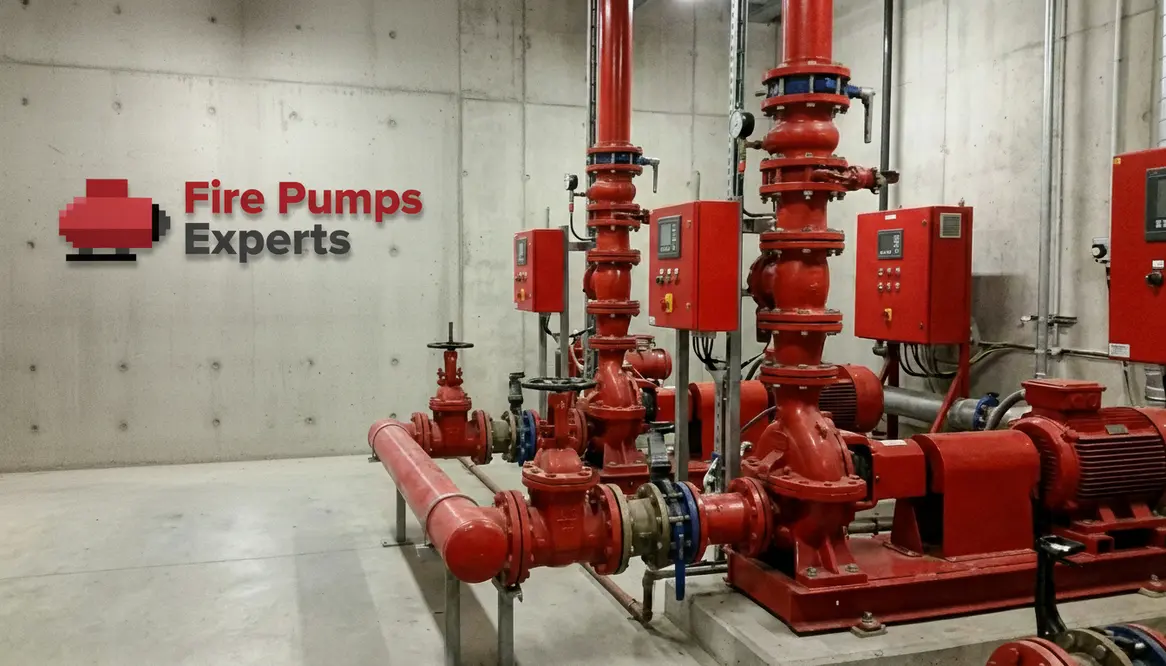
Fire Pump Convention Center Europe Guide
I have spent enough time around large scale buildings to know one thing for certain. When thousands of people gather under one roof, safety cannot whisper. It has to speak clearly, firmly, and without hesitation. That is where fire pump convention center Europe planning steps into the spotlight. In these vast venues, where exhibitions, concerts, and trade shows unfold daily, the fire protection system is not just a requirement. It is a quiet guardian working behind the scenes, ready to act in an instant.
And yes, while fire pumps may not be as glamorous as a headline act or a sleek architectural design, they are the true backstage heroes. Think of them as the stage crew of safety. No applause, but absolutely essential.
Understanding Fire Pump Needs in Large European Venues
Convention centers in Europe are not small operations. They stretch across thousands of square meters, often with complex layouts, underground halls, and multi level structures. Because of this, I always approach fire pump selection with scale in mind.
First, water demand is significant. Sprinkler systems, hydrants, and hose reels all draw from the same source. Therefore, the pump must deliver consistent pressure across long distances. Additionally, European regulations such as EN 12845 set strict expectations. Ignoring them is not an option unless you enjoy paperwork more than sleep.
Moreover, redundancy plays a critical role. I never rely on a single pump in these environments. Instead, I look at duty and standby configurations. Because if one fails, the backup must step in without hesitation. Like a good understudy, but with fewer nerves.
How Do I Choose the Right Fire Pump System for a Convention Center?
I start with the basics. Flow rate and pressure requirements define everything. However, I do not stop there. I consider building height, zoning, and occupancy density. Each factor shapes the system.
Then, I evaluate pump types. Electric pumps are common in urban European settings due to reliable power infrastructure. However, diesel driven pumps remain essential as a backup. Because when the lights go out, safety should not follow.
In addition, I examine system integration. The pump must work seamlessly with detection systems and alarms. A disconnected system is like a band playing without a conductor. Technically sound, but chaotic.
Key Components That Shape Performance
When I look at a fire pump convention center Europe setup, I focus on how each component contributes to reliability.
Core Elements I Prioritize
- High capacity centrifugal pumps
- Jockey pumps for pressure stability
- Reliable controllers with clear diagnostics
- Dedicated water storage or municipal supply backup
Operational Enhancements I Value
- Remote monitoring systems
- Noise reduction measures for urban compliance
- Energy efficient motor configurations
- Easy maintenance access points
Each piece matters. Together, they form a system that responds instantly. And in fire protection, instant is the only acceptable speed.
European Standards and Compliance Expectations
Across Europe, compliance is not just about ticking boxes. It is about proving performance under pressure. EN standards guide the design, installation, and testing of fire pumps. Therefore, I always ensure that every component aligns with these frameworks.
Additionally, local regulations can vary. A convention center in Germany may have different nuances compared to one in Spain. Because of that, I adapt the design to meet both regional and EU wide expectations.
Regular testing is also non negotiable. Weekly and monthly checks keep systems ready. Think of it as a rehearsal. The system must perform perfectly when the real show begins.
Designing for Long Term Reliability and Efficiency
I never design a system just for today. Convention centers operate year round, often hosting back to back events. Therefore, durability matters.
Material selection plays a big role. Corrosion resistant components extend system life, especially in humid or coastal regions. Furthermore, I plan for easy maintenance. Because if servicing becomes difficult, it will eventually be delayed. And delays in fire protection are not something I am willing to gamble on.
Energy efficiency also enters the conversation. Modern pumps can reduce operational costs without sacrificing performance. It is a rare win win. Like finding a parking spot right in front of the venue during a major event.
Common Pitfalls I Always Avoid
Over the years, I have seen a few recurring mistakes. So I make it a point to avoid them.
- Undersizing pumps for peak demand scenarios
- Ignoring backup power requirements
- Overlooking system testing and commissioning
- Failing to integrate with building management systems
Each of these can compromise safety. And in a convention center filled with people, compromise is simply not acceptable.
FAQ: Fire Pump Systems for Convention Centers
The questions that come up most often around any fire pump convention center Europe project tend to be very practical. That is a good thing. Practical questions usually lead to safer designs.
Final Thoughts and Next Steps
Choosing the right fire pump system is not just a technical task. It is a responsibility. In a convention center, where thousands gather, every decision matters. If you are planning or upgrading a system, I encourage you to work with specialists who understand large scale commercial environments. Reach out, ask questions, and build a system that performs when it truly counts. Because in fire protection, preparation is everything.
If you want to explore deeper technical references and best practices around systems for any fire pump convention center Europe project, resources such as https://firepumps.org and national fire safety bodies across the EU offer detailed guidance, case studies, and up to date regulatory insights.