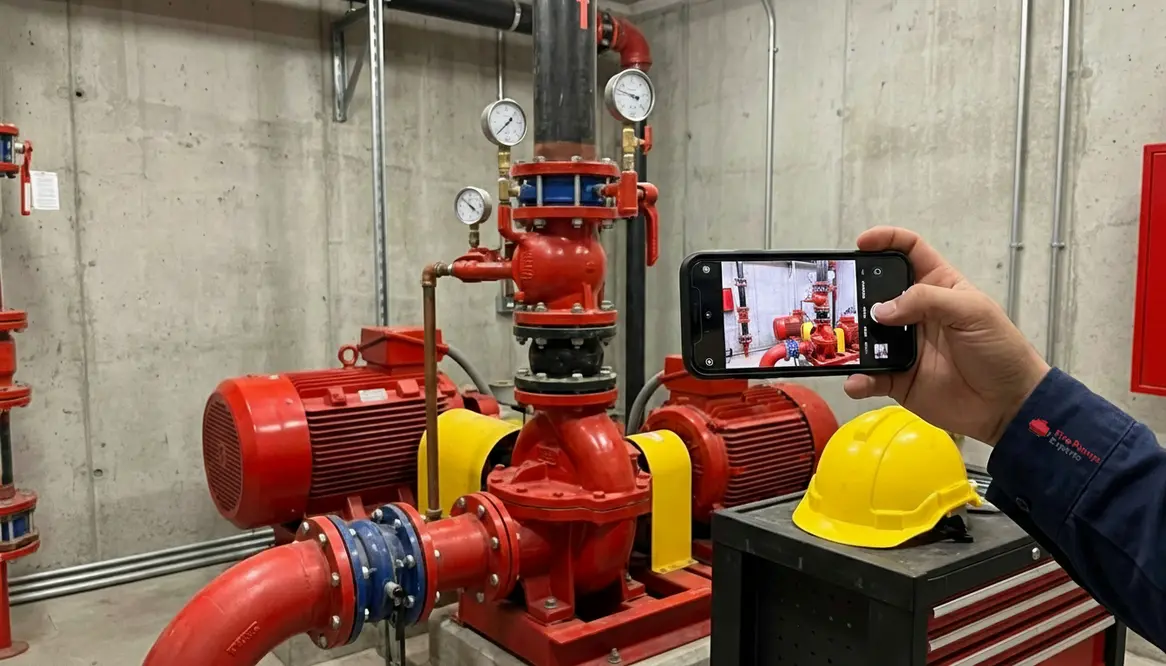
AS 2941 Fire Pump Design Requirements Australia
I have spent years watching how standards quietly shape the safety of the buildings we walk into every day. And if there is one standard that carries serious weight in Australia, it is AS 2941 fire pump design requirements Australia. Within the first moments of a fire emergency, a properly designed fire pump system can mean the difference between controlled damage and catastrophic loss. So yes, this is not just paperwork. This is the backbone of fire protection in commercial and industrial properties. And while it may not sound thrilling at first, stick with me. There is more drama in pump rooms than most action movies, just with fewer explosions and more pressure gauges.
How AS 2941 fire pump design requirements Australia guide system performance
At its core, AS 2941 sets the rules for how fire pump systems must perform under pressure, literally. I often think of it as the director behind the scenes, ensuring every component hits its cue at the exact right moment.
First, the standard demands reliability. That means pumps must start automatically and run continuously under emergency conditions. There is no room for hesitation. If a system pauses like someone buffering a video, the consequences are real.
Next, it defines flow and pressure requirements. These are not arbitrary numbers. Instead, they are calculated based on the size, risk level, and layout of commercial and industrial facilities. Large warehouses, high rise offices, and processing plants all bring unique demands, and AS 2941 ensures the pump system keeps up.
Moreover, redundancy plays a major role. Backup pumps and power supplies are not optional luxuries. They are essential. Because if your primary system fails during a fire, you do not get a second chance. This is not a reboot situation.
What engineers actually design under AS 2941 rules
When I look at a compliant system, I do not just see a pump. I see a carefully choreographed setup.
Engineers must select pump types that match the hazard classification of the building. Electric, diesel driven, or even a combination of both, each choice reflects risk and operational needs. For large scale facilities, diesel pumps often step in as the dependable backup when electrical systems fail.
Then there is the layout. Pipe sizing, valve placement, and suction conditions all fall under strict guidance. Poor suction design, for example, can starve a pump faster than a forgotten lunch break. AS 2941 eliminates guesswork by defining minimum requirements that prevent these failures.
Control systems also come into play. Automatic start sequences, alarm integration, and manual override capabilities ensure that the system responds instantly and predictably. Because in an emergency, clarity beats complexity every time.
Why compliance impacts long term building value
Here is where things get interesting. Compliance is not just about passing inspections. It directly affects the long term value of a property.
For one, insurance providers pay close attention to fire protection standards. A building that aligns with Australian fire pump standards often benefits from more favorable terms. On the other hand, non compliant systems can lead to higher premiums or limited coverage.
Additionally, tenant confidence matters. Large commercial tenants and industrial operators want assurance that their operations will not go up in smoke, quite literally. A compliant fire pump system becomes part of the building’s selling point.
And then there is lifecycle cost. Systems designed correctly from the start tend to require fewer major upgrades. They operate more efficiently, last longer, and avoid the expensive surprises that come from cutting corners.
AS 2941 fire pump design requirements Australia in real world installations
I have walked through enough pump rooms to know that real world conditions rarely match perfect diagrams. That is where AS 2941 proves its strength. It accounts for practical challenges.
Design Focus
- Reliable water supply sources
- Proper ventilation for diesel pumps
- Accessible maintenance layouts
- Clear separation of critical components
Operational Impact
- Consistent flow during peak demand
- Reduced overheating risks
- Faster servicing and inspections
- Lower chance of system wide failure
Because of this, installations in major commercial and industrial buildings tend to feel less like improvised Setups and more like well rehearsed systems. Everything has its place. Everything has a purpose.
And yes, when it is done right, it is oddly satisfying. Like watching a perfectly timed scene in a film where everything clicks into place. Except instead of applause, you get safety and compliance. Not as flashy, but far more important.
How do I ensure my fire pump system meets AS 2941?
I get this question often, and the answer is both simple and layered.
Start with experienced professionals who understand commercial and industrial fire protection systems. Design is not the place for shortcuts or guesswork. Then, ensure that every component, from pumps to controllers, meets the required specifications.
Regular testing and maintenance follow. Even the best system can drift out of compliance without proper care. AS 2941 includes ongoing performance checks for a reason. A system that worked five years ago is not guaranteed to perform today.
Finally, documentation matters. Clear records of design, installation, and testing provide proof of compliance and make future upgrades smoother.
Why AS 2941 fire pump design requirements Australia matter for your site
Across commercial towers, logistics hubs, data centres, and processing plants, AS 2941 fire pump design requirements Australia create a predictable framework in situations that are anything but predictable. When sprinklers open or hydrants are charged, the system has seconds to respond with the right pressure and flow. That repeatable performance is what turns design drawings into genuine resilience.
For owners and managers who want more than the bare minimum, treating AS 2941 as a baseline rather than a ceiling makes room for smarter monitoring, better fault detection, and coordinated integration with other fire systems. It is the difference between a system that merely exists on paper and one that stands up when the alarms sound.
FAQ
Bringing it all together
If you manage or own a commercial or industrial property, ignoring fire pump design standards is not an option. The AS 2941 fire pump design requirements Australia exist to protect your assets, your people, and your peace of mind. Work with specialists who understand these systems inside out, invest in proper design and maintenance, and treat compliance as a priority, not a checkbox. Because when the unexpected happens, you will want a system that performs exactly as promised.
For more technical insight, tools, and guidance on fire pump performance and standards, you can explore resources at https://firepumps.org and align those learnings with the specific regulatory environment in Australia.