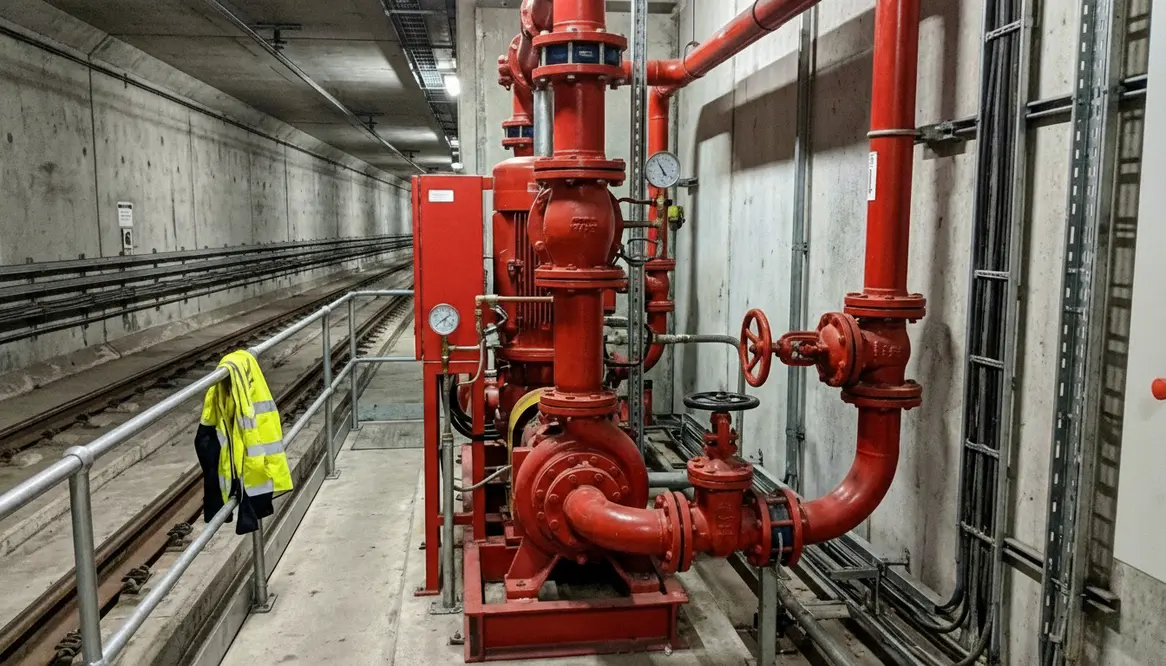
Railway Fire Pump Australia for Rail Safety Systems
I have spent enough time around rail infrastructure to know one thing for certain. When things go wrong, they do not do so quietly. That is where a railway fire pump Australia solution steps in, calm and relentless, like a seasoned conductor keeping chaos on schedule. Across Australia, rail systems move people, freight, and expectations at scale. Therefore, fire protection is not just a compliance box. It is a lifeline built into tunnels, depots, and major commercial rail facilities where risk moves as fast as the trains themselves.
Why fire pump systems matter in rail infrastructure
Rail environments are complex, and frankly, a bit unforgiving. You have electrical systems, fuel sources, enclosed tunnels, and high occupancy areas. Consequently, fire risk compounds quickly. I approach these systems with one goal in mind: immediate, reliable water delivery under pressure.
Moreover, modern rail infrastructure across Australia depends on fire pump systems that can perform without hesitation. When a fire starts in a maintenance depot or underground station, seconds matter. A properly designed pump system feeds hydrants, sprinklers, and deluge systems simultaneously, ensuring coverage across vast, segmented zones.
And yes, unlike in the movies, nobody has time to dramatically shout “somebody get water.” The system already did.
How do fire pump systems support railway safety in Australia
I like to think of fire pump systems as the quiet enforcers behind the scenes. They do not ask for attention, yet they demand respect. In rail settings, these systems maintain consistent pressure across long pipe networks, even when demand spikes.
Additionally, they integrate with detection and alarm systems, activating automatically when needed. This is critical in tunnels where manual intervention is not always possible. As a result, fire suppression begins instantly, buying valuable time for evacuation and response teams.
Another key factor is redundancy. In major rail facilities, I always expect backup pumps and power supplies. Because if your primary system fails during a crisis, that is not a plot twist anyone wants.
Designing a railway fire pump Australia solution for large scale facilities
Designing these systems is not about guesswork. It is about precision, compliance, and understanding how rail environments behave under stress. I focus on hydraulic calculations, pressure zoning, and system demand across multiple hazard areas.
Furthermore, Australian standards require strict adherence to performance benchmarks. This means selecting pumps that can handle peak flow rates while maintaining efficiency. Electric, diesel, or hybrid configurations often come into play depending on the facility layout.
At the same time, I always consider accessibility for maintenance. Because even the best system is useless if no one can service it without performing acrobatics worthy of a superhero movie.
Key design considerations
- Flow rate requirements for large infrastructure zones
- Pressure stability across extended pipe networks
- Integration with sprinkler and hydrant systems
- Backup power and redundancy planning
Operational priorities
- Rapid system activation
- Minimal maintenance disruption
- Long term durability in harsh conditions
- Compliance with Australian fire codes
Common challenges in rail fire protection systems
Rail infrastructure does not make things easy. Tight spaces, long tunnels, and environmental exposure all create unique challenges. However, I see these as design puzzles rather than obstacles.
For instance, pressure loss over long distances can weaken system performance. Therefore, booster pumps and zoning strategies become essential. In underground stations, ventilation and heat buildup also affect system efficiency, requiring careful coordination with mechanical systems.
Meanwhile, corrosion and wear are constant concerns in coastal regions of Australia. That is why material selection matters just as much as system design. Stainless steel components and protective coatings often make the difference between reliability and costly downtime.
And let us be honest, downtime in a major rail facility is about as welcome as a delayed train during peak hour.
Maintenance strategies that keep systems reliable
I always say a fire pump system is only as good as its maintenance plan. Even the most advanced setup needs routine testing and inspection to stay ready.
Regular flow testing ensures pumps deliver the required pressure. Additionally, inspections help identify wear before it becomes failure. Control panels, valves, and backup systems all require attention.
Moreover, digital monitoring now plays a bigger role. Remote diagnostics allow facility managers to track performance in real time, reducing the risk of unexpected issues. This proactive approach keeps systems aligned with compliance requirements while minimizing disruptions.
Because when something goes wrong, you want data, not guesswork.
The future of railway fire pump Australia systems
Looking ahead, I see smarter, more efficient systems shaping the future. Automation and data integration are already transforming how fire protection operates in rail environments.
For example, predictive maintenance uses system data to flag issues before they escalate. Energy efficient pumps reduce operational costs while maintaining performance. And integration with broader building management systems creates a unified safety network.
At the same time, sustainability is becoming a priority. Water conservation and energy efficiency are no longer optional. They are expected. So, modern systems must balance performance with environmental responsibility.
It is a bit like upgrading from an old diesel locomotive to a high speed electric train. Same goal, better execution.
Across these advances, the role of a well designed railway fire pump Australia configuration remains the anchor point. Whether protecting underground stations, maintenance depots, or long haul corridors, the system must deliver reliable performance under pressure while staying aligned with modern sustainability expectations.
FAQ
Final thoughts and next steps
If you manage or design major rail facilities, investing in the right fire pump system is not optional. It is essential. I help commercial and industrial projects across Australia implement solutions that perform when it matters most. Whether you are planning a new tunnel, expanding a depot, or upgrading an existing railway fire pump Australia installation, a tailored approach will keep your infrastructure protected, compliant, and ready for anything.
For more technical insights and standards guidance, you can explore resources such as https://firepumps.org as part of your broader due diligence. Pair those references with site specific engineering, and your next project will run with the same quiet confidence as the pumps guarding every platform, tunnel, and maintenance bay.