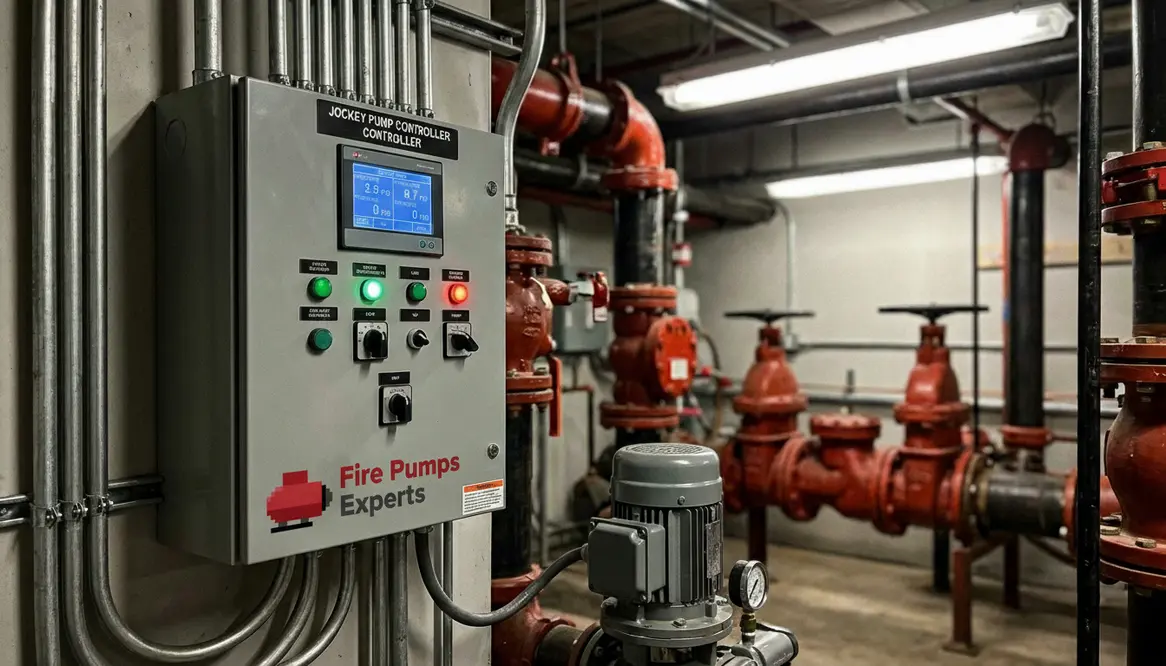
Jockey Pump Controller Guide for Commercial Systems
I’ve spent enough time around fire protection systems to know this: when everything is quiet, that’s when the real work is happening. And right at the center of that calm stands our jockey pump controller, quietly holding pressure in a building’s fire suppression system like a stage manager behind the curtain. You don’t see it. You don’t hear it. But when it’s missing or poorly set up, suddenly the whole production falls apart. In large commercial buildings, that kind of failure is not just inconvenient. It’s expensive, risky, and very avoidable.
What does a jockey pump controller actually do in a commercial system?
Let me put it simply. A jockey pump controller keeps your fire sprinkler system pressurized at all times. That means when a tiny leak happens or pressure dips slightly, the jockey pump kicks in before the main fire pump even thinks about waking up. Think of it as the system’s early riser. While the main pump is still hitting snooze, the jockey pump is already making coffee.
Because of this, the controller becomes the brain behind that small but critical pump. It monitors pressure and activates the pump when needed, then shuts it off once stability returns. As a result, it prevents unnecessary cycling of the main fire pump, which reduces wear and extends equipment life.
In high rise offices, hospitals, and industrial facilities, that steady pressure is non negotiable. Without it, the entire fire protection system becomes unreliable. And just to make inspections a little less nerve wracking, a well tuned jockey pump controller keeps the system where it should be long before an inspector starts asking questions.
How do I choose the right jockey pump controller for my building?
I get this question a lot, and the answer is not one size fits all. Every commercial building has different pressure requirements, system sizes, and compliance standards. However, a few core factors always guide the decision.
Key considerations when selecting a controller
System pressure range: The controller must match your system’s operating pressure and respond accurately to small fluctuations.
Pump size compatibility: It needs to align with the horsepower and flow characteristics of your jockey pump.
Control features: Modern controllers offer digital displays, alarms, and programmable settings. These are not just nice extras. They make troubleshooting faster and reduce downtime.
Compliance standards: NFPA requirements are not suggestions. They are the rulebook, and your jockey pump controller has to play by it.
Additionally, I always recommend working with experienced commercial electrical specialists like trusted industrial electrical system experts. They understand how these controllers integrate with larger building systems, which can save a lot of headaches later. A correctly matched jockey pump controller today is much cheaper than an emergency retrofit tomorrow.
Inside the Jockey Pump Controller Panel
Now, let’s open the box without actually opening it. Inside a typical control panel, you’ll find several components working together in perfect rhythm.
Core components
Pressure switches: These detect drops in system pressure and trigger the pump.
Motor starters: They handle the safe startup and shutdown of the pump motor.
Control relays: These manage signal flow and ensure the system responds correctly.
Alarm systems: They notify operators when something goes off script.
Why it matters
What fascinates me is how such a compact panel manages such an important role. It’s like the drummer in a band. Not always in the spotlight, but if they mess up, everyone notices immediately. A well designed jockey pump controller lets the rest of the fire protection system stay in rhythm without constant tuning.
Installation and setup mistakes I see too often
I wish I could say every installation goes smoothly. It does not. In fact, I’ve seen setups that looked like they were wired during a power outage. So let’s clear up a few common missteps.
Poor pressure calibration: If the cut in and cut out settings are wrong, the pump either runs too often or not at all.
Improper wiring: Loose or incorrect connections can lead to failures at the worst possible time.
Ignoring system integration: The controller must work seamlessly with the main fire pump and alarm systems.
Lack of testing: Installing without proper commissioning is like buying a car and never turning the key.
Therefore, careful setup is not optional. It’s essential. A properly installed jockey pump controller runs quietly in the background, doing its job without drama. And in fire protection, no drama is exactly what you want.
Side by side look: controller benefits vs risks of neglect
With proper controller setup
- Consistent system pressure
- Reduced wear on main fire pumps
- Fewer false alarms
- Longer equipment lifespan
- Smoother inspections and compliance
Without proper attention
- Frequent pressure drops
- Main pump overuse and damage
- Unexpected system failures
- Higher maintenance costs
- Regulatory issues knocking at your door
Maintaining a jockey pump controller for long term reliability
Maintenance is where good systems become great systems. And yes, I know, maintenance is about as exciting as watching paint dry. But skipping it is like ignoring a small leak in a dam. Eventually, that quiet drip becomes a headline.
Practical maintenance habits
I recommend regular inspections that include checking pressure settings, verifying electrical connections, and testing automatic start and stop functions. In addition, keeping logs of system performance helps spot trends before they become problems.
Moreover, modern controllers often include diagnostic tools. Use them. They are not just decorative screens. They tell you what the system is thinking, and that insight can prevent costly downtime. A jockey pump controller that is checked, logged, and understood is far less likely to surprise you at 2 a.m.
If you want deeper technical references and standards beyond what manufacturers provide, resources like https://firepumps.org can help frame how your jockey pump controller fits into the larger fire protection picture in commercial facilities.
FAQ: Quick answers for building managers
Conclusion: keeping your system ready without the noise
In the end, a well chosen and properly maintained controller keeps your fire protection system steady, quiet, and ready for action. I’ve seen the difference firsthand, and it’s night and day. If you manage a commercial or industrial facility, now is the time to evaluate your setup, partner with experienced professionals, and ensure every component is working as it should. The right jockey pump controller quietly carries a lot of responsibility, and when safety depends on pressure, there’s no room for guesswork.