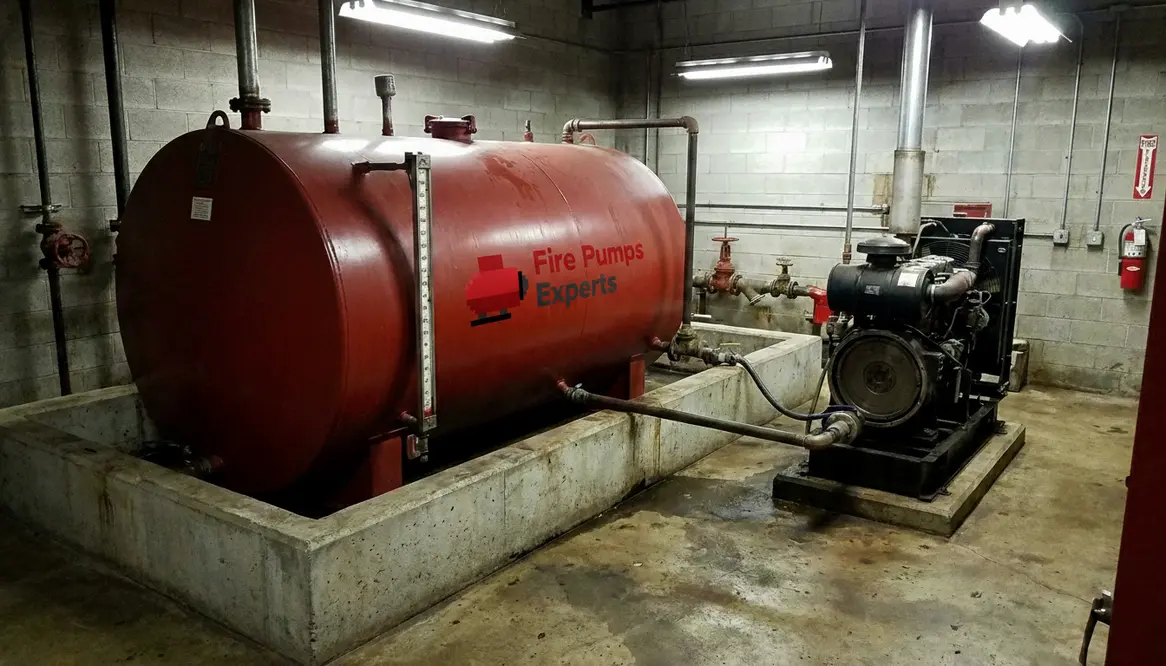
Diesel Fire Pump Fuel Tank Requirements Guide
I have spent enough time around fire protection systems to know one thing for certain: when everything else fails, the diesel fire pump steps in like the last action hero in a movie. And at the heart of that reliability sits a detail people often overlook until it becomes a problem, diesel fire pump fuel tank requirements. These are not just technical checkboxes. They are the difference between a system that performs flawlessly and one that sputters when it matters most. So let me walk you through it, calmly and clearly, with just enough personality to keep you awake.
Understanding Diesel Fire Pump Fuel Tank Requirements
Let me start with the basics. Fuel tanks for diesel fire pumps are not just storage containers. They are engineered components governed by strict codes like NFPA 20. These rules exist because, frankly, fire does not wait for you to refill a tank.
First, capacity matters. The tank must hold enough fuel to run the pump for a minimum of eight hours at full load. That is not a suggestion. That is the baseline. In large commercial and industrial facilities, this often translates to sizable tanks that must be carefully integrated into the building layout.
Next comes construction. Tanks must be built from materials that resist corrosion and prevent leaks. Steel is common, and for good reason. It is tough, reliable, and not easily impressed by harsh environments. Additionally, tanks must include features like vents, fill pipes, and level indicators, all designed to maintain safe operation.
And yes, there are clearance requirements. Because placing a fuel tank too close to a heat source is about as wise as storing fireworks next to a campfire.
How Much Fuel Capacity Do I Actually Need?
I get this question a lot, and the answer is simple but important. You size the tank based on the pump’s fuel consumption rate at full load, then multiply that by the required runtime. Most standards call for at least eight hours, but some facilities choose more for added security.
However, I always remind clients that bigger is not always better. Oversized tanks can lead to fuel degradation if the diesel sits too long. And stale fuel is about as useful as a flashlight with dead batteries.
So, the goal is balance. Enough fuel to meet compliance and operational needs, but not so much that maintenance becomes a burden. Understanding diesel fire pump fuel tank requirements through this lens helps keep both safety and practicality in check.
Placement and Safety Considerations That Actually Matter
Now we move into placement, where things get interesting. The location of the tank directly affects both safety and performance. Tanks can be installed above ground, below ground, or within pump rooms, depending on the facility design.
Above ground tanks are easier to inspect and maintain. On the other hand, below ground tanks save space but require more monitoring. Either way, you must follow clearance rules and ensure proper containment to prevent spills.
Additionally, fuel lines should be as short and direct as possible. Long, winding piping runs may look impressive on paper, but they introduce risk. And in fire protection, simplicity often wins.
Key Placement Factors
- Proximity to the fire pump
- Accessibility for refueling
- Protection from physical damage
- Compliance with fire codes
Safety Features
- Secondary containment systems
- Ventilation and pressure relief
- Leak detection mechanisms
- Emergency shutoff valves
Inspection and Maintenance Practices That Keep Systems Alive
Let me be honest. Even the best-designed system will fail if no one maintains it. Diesel fuel tanks require regular inspection, and not the kind where someone glances at it once a year and calls it a day.
Routine checks should include fuel levels, signs of corrosion, and sediment buildup. Water contamination is another silent troublemaker. It sneaks in, settles at the bottom, and quietly compromises your system.
That is why many facilities work with specialists who understand commercial fire pump system compliance services. These professionals ensure everything stays within code and operates as intended.
And let us not forget fuel testing. Because diesel does not age like fine wine. It ages like milk left out during a summer heatwave. Building your program around the right diesel fire pump fuel tank requirements keeps that milk-from-turning reality firmly under control.
Common Mistakes I See in Commercial Installations
Over the years, I have seen patterns. Some mistakes repeat themselves like reruns of an old sitcom.
First, undersized tanks. People assume shorter runtimes are acceptable. They are not. Code exists for a reason.
Second, poor placement. Tanks tucked into hard-to-reach corners make maintenance difficult, which leads to neglect.
Third, ignoring ventilation. Without proper airflow, pressure issues can develop, and that is not something you want in a fuel system.
Finally, skipping documentation. Every component should be clearly labeled and recorded. Because when an inspector shows up, guessing is not a strategy. Clear records also prove that your diesel fire pump fuel tank requirements were actually followed, not just talked about in a meeting five years ago.
Diesel Fire Pump Fuel Tank Requirements in Real World Projects
In large scale facilities, these requirements take on a whole new level of importance. Think data centers, manufacturing plants, or high rise commercial buildings. These are environments where downtime is not just inconvenient, it is costly.
In these cases, I often see redundant systems, multiple tanks, and advanced monitoring technology. Sensors track fuel levels in real time. Alerts notify operators of potential issues before they escalate.
It is a bit like having Jarvis from Iron Man keeping an eye on things. Except instead of saving the world, it is protecting your building and everyone inside it.
And that is the point. These requirements are not obstacles. They are safeguards. When diesel fire pump fuel tank requirements are treated as strategic design decisions instead of red tape, they quietly support everything else the facility depends on.
FAQ About Diesel Fire Pump Fuel Systems
Questions around diesel fire pump fuel tank requirements come up constantly, so it helps to keep a few clear answers ready.
Final Thoughts and Next Steps
If you manage or design fire protection systems, do not treat fuel storage as an afterthought. Diesel fire pump fuel tank requirements shape the reliability of your entire setup. Take the time to get it right, partner with experts, and keep maintenance consistent. When the moment comes, and it always does, you will be glad your system is ready to perform without hesitation.