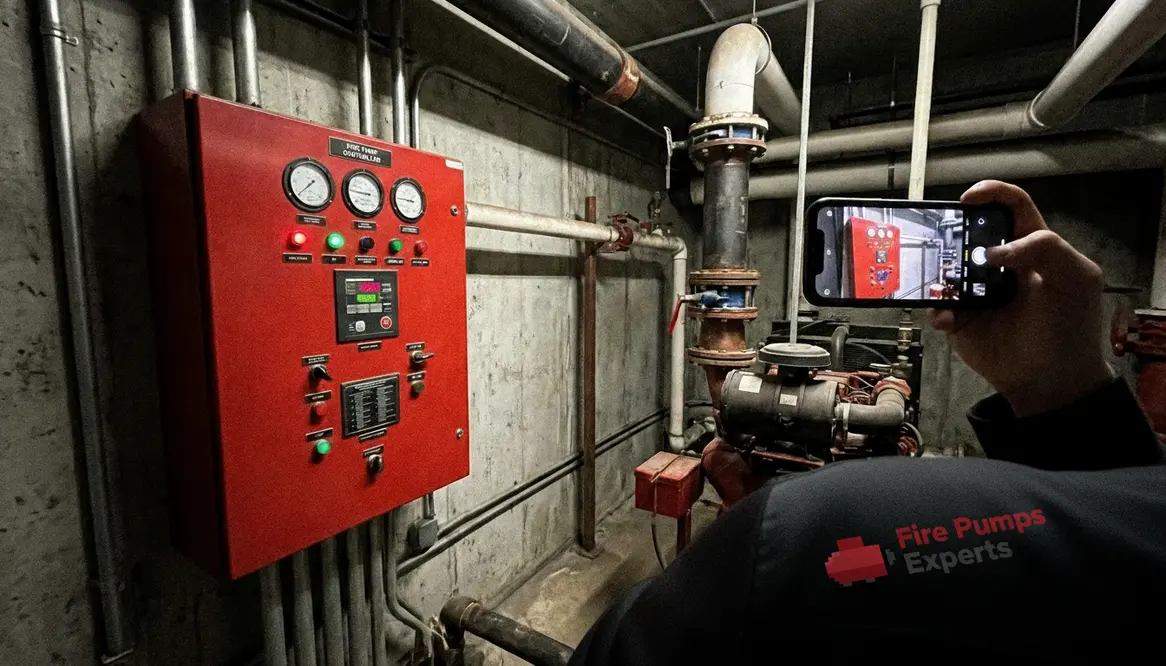
Fire Pump Controllers Guide for Building Owners
I have spent enough time around mechanical rooms to know this truth: when things go wrong, nobody wants surprises. That is exactly why I always bring the conversation back to our fire pump controllers within the first few minutes. These systems do not just sit quietly on the wall looking important. They act. They decide. They keep water moving when everything else feels uncertain. For building owners managing commercial or industrial properties, understanding how these controllers work is not just helpful. It is essential.
What do fire pump controllers actually do in a building?
At their core, fire pump controllers are the command center behind your fire protection system. They monitor pressure, detect drops, and start the pump automatically when demand spikes. In other words, they do not wait for permission. They respond instantly.
When I explain this to property managers, I usually compare it to a smoke alarm that also calls the fire department and starts spraying water before anyone even reaches the phone. Efficient, right? And thankfully, less dramatic than an action movie explosion.
More importantly, these controllers ensure compliance with strict safety codes. Therefore, they are not optional upgrades. They are critical infrastructure. Without them, your fire pump is just expensive metal with no sense of urgency.
How I break down the components without putting anyone to sleep
Let’s be honest. Electrical panels are not exactly thrilling. However, once you understand the main parts, everything clicks into place.
Key Components
- Controller enclosure that protects internal systems
- Pressure sensors that track system demand
- Motor starters that activate the pump
- Alarms and indicators for real time feedback
What They Mean for You
- Reliable activation during emergencies
- Constant monitoring without manual checks
- Faster response times that protect assets
- Clear alerts so issues do not go unnoticed
As a result, you are not just buying equipment. You are investing in a system that actively watches over your property. It is like having a security guard who never blinks and does not ask for coffee breaks.
Why modern fire pump controllers matter for large facilities
In large commercial and industrial buildings, complexity increases fast. More floors. More equipment. More risk. Consequently, the role of a reliable controller becomes even more important.
Modern systems offer advanced diagnostics, remote monitoring, and integration with building management systems. So instead of guessing what is happening, you know. And knowing beats guessing every single time.
I have seen older setups where operators had to physically inspect panels daily. That might sound manageable until you realize how many systems need attention across a large property. Suddenly, that routine feels like a full time job starring you as the overworked hero in a very low budget film.
Today, smarter controllers reduce that burden. They provide clear data and faster troubleshooting. Therefore, downtime shrinks, and confidence grows.
Choosing the right system without overcomplicating it
I always tell building owners not to chase features they do not need. Instead, focus on reliability, compliance, and scalability.
First, make sure the controller meets all relevant fire codes and standards. This is non negotiable. Next, consider how easily it integrates with your existing infrastructure. After that, think about future expansion. Because if your facility grows, your system should not hold you back.
Additionally, working with experienced providers makes a difference. For example, resources like commercial fire pump system experts can guide you toward solutions designed specifically for large scale properties.
When you evaluate fire pump controllers, think beyond today. If you plan for the next decade instead of the next inspection, you avoid rushed replacements and awkward redesigns that never quite fit your building.
In short, the best choice is not always the flashiest one. It is the one that performs when it matters most.
Common mistakes I see building owners make
Even the most experienced operators can overlook a few things. However, these mistakes are avoidable.
- Ignoring maintenance schedules even though the system appears fine
- Delaying upgrades because the current setup still runs
- Underestimating system demand in expanding facilities
- Overlooking training for staff responsible for monitoring
Meanwhile, each of these choices increases risk over time. Think of it like skipping oil changes in your car. Sure, it runs fine until it really does not. And when it fails, it fails spectacularly.
If you treat fire pump controllers as “set it and forget it” hardware, small problems quietly stack up in the background. A loose connection here, a sensor issue there, and suddenly your supposedly reliable protection is rolling the dice every time pressure drops.
Therefore, staying proactive saves money, reduces stress, and most importantly, protects lives and assets.
FAQ: Quick answers building owners ask me all the time
Over time, building owners tend to circle around the same concerns about fire pump controllers: what actually triggers them, how often they should be tested, and whether they play nicely with the rest of the building systems. These are the questions that come up in meetings right after someone remembers the last surprise outage they never want repeated.
Final thoughts that actually matter
When I look at a well designed fire protection system, I see more than equipment. I see preparation. I see foresight. And I see building owners who refuse to leave safety to chance. Fire pump controllers sit at the heart of that mindset. They respond without hesitation and perform without complaint. If you are ready to strengthen your system, now is the time to act. Because in this business, waiting rarely ends well.
Treat your fire pump controllers as active partners in protecting your building, not just hardware that passed inspection once upon a time. When they are chosen carefully, tested regularly, and maintained with intention, they quietly turn a risky what-if into a controlled, predictable response. And in a mechanical room full of things that can go wrong, that kind of certainty is worth holding onto.