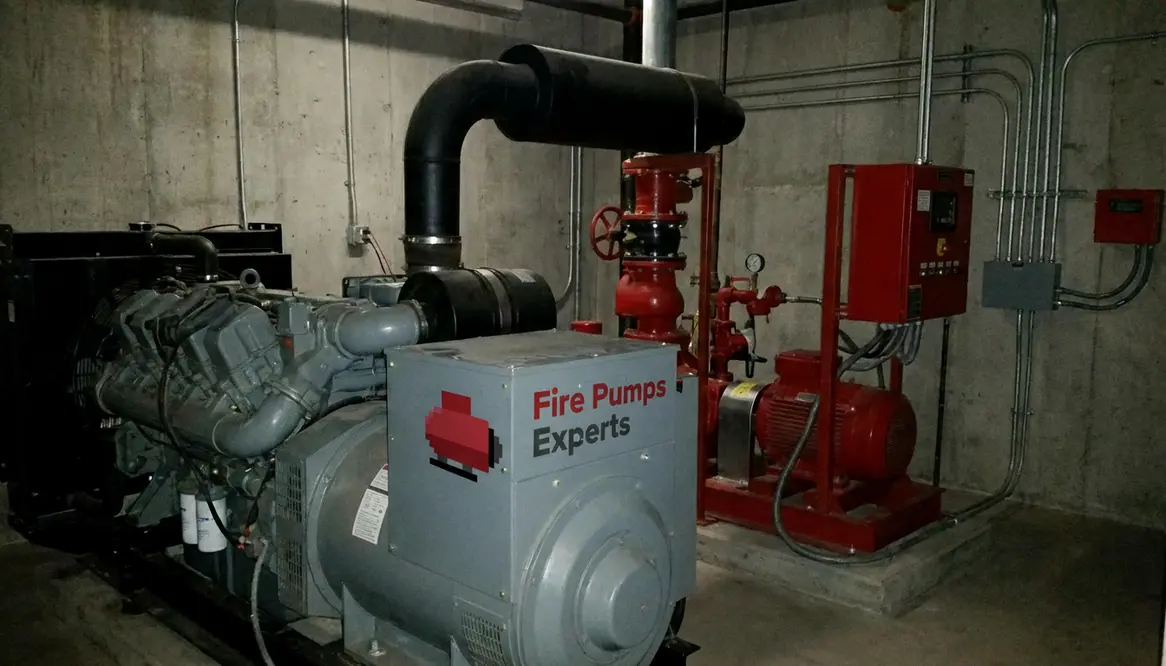
Electric Fire Pump Backup Power Requirements Guide
I have spent enough time around commercial facilities to know one thing for sure. When the power goes out, chaos loves to RSVP early. That is exactly where electric fire pump backup power steps in, calm as a seasoned firefighter who has seen it all. In large buildings, data centers, and industrial sites, fire protection cannot rely on luck or the local grid behaving nicely. It needs certainty. And while the topic may sound dry, trust me, it carries the kind of importance that makes even the most stubborn engineer sit up straight.
What backup power do electric fire pumps actually need
Let me answer this the way most facility managers wish someone had from day one. Electric fire pumps require a reliable secondary power source that kicks in immediately when primary power fails. Not eventually. Not after a polite pause. Immediately.
Typically, this means a dedicated generator sized specifically for the fire pump load. However, it is not just about having a generator sitting in the corner looking impressive. The system must handle starting current, maintain voltage stability, and support continuous operation during an emergency.
Moreover, codes such as NFPA 20 and NFPA 110 outline strict requirements. These include automatic transfer switches, fuel supply duration, and routine testing. In other words, this is not a plug it in and hope for the best situation.
And yes, if you are picturing your backup system as a superhero, it needs to be less sidekick and more main character energy.
Electric fire pump backup power requirements for commercial buildings
When I walk into a high rise or industrial facility, I look at backup power like a chain. Each link matters. Break one, and the whole system fails when it matters most.
First, the generator must be dedicated or properly prioritized. Fire pumps cannot compete with office lighting or someone heating leftovers in the break room. Life safety always wins.
Second, fuel supply must support extended operation. Depending on the facility, that could mean several hours or even days. After all, fires do not follow business hours.
Third, wiring and transfer equipment must be protected from fire exposure. It sounds obvious, yet I have seen setups where the backup system would not survive the very emergency it was designed for.
For deeper technical standards and compliance insights, I often reference fire pump system design guidelines, especially when dealing with large scale commercial properties.
Key components that keep the system alive
Let me break this down into something practical. These are the parts that make or break your backup power setup.
Power Source
Generators sized for locked rotor current and full load operation.
Transfer Switch
Automatic switching within seconds of power loss.
Controller Integration
Fire pump controllers that communicate seamlessly with backup systems.
Fuel System
Reliable storage with monitoring and refill plans.
Cabling Protection
Fire rated routing to maintain operation during extreme conditions.
Testing Protocols
Routine load testing to ensure readiness, not guesswork.
Each piece plays its role like a well cast ensemble. Remove one, and suddenly the story falls apart.
Why redundancy is not optional
Here is the truth. Redundancy is not overkill. It is survival planning with a backbone.
In many industrial and commercial environments, a single backup source may not be enough. Dual generators or alternate feeders can provide an extra layer of assurance. While it may feel like buying two umbrellas for a cloudy day, it makes perfect sense when the storm hits sideways.
Additionally, redundancy reduces the risk of maintenance failures. Because yes, even the best equipment has off days. And unlike your coffee machine, this is not something you can afford to troubleshoot during an emergency.
Common mistakes that quietly sabotage reliability
I have seen some creative decisions in my time, and not all of them end well.
- One common issue is undersizing the generator. Fire pumps draw significant starting current, and if the generator cannot handle it, the system stalls before it even begins.
- Another mistake is neglecting routine testing. A backup system that has not been tested is like a parachute you have never opened. Technically reassuring, practically terrifying.
- Finally, poor integration between components can lead to delays or outright failure. Timing matters. Even a few seconds can make a difference when controlling a fire in a large facility.
How I approach planning for long term reliability
I like to think of backup power planning as a long game. It is not just about installation. It is about consistency over time.
First, I ensure that systems meet both current codes and anticipated future needs. Buildings evolve, and so should their safety systems.
Then, I emphasize routine inspections and load testing. These are not optional checkboxes. They are the heartbeat of reliability.
Finally, I work with experienced professionals who understand large scale commercial environments. Because when it comes to electric fire pump backup power, expertise is not a luxury. It is the baseline.
Putting electric fire pump backup power in context
In many facilities, electric fire pump backup power is the quiet workhorse behind every evacuation plan and emergency procedure. It does not get the same attention as shiny lobby finishes or new access control tech, but it carries far more weight when conditions go sideways.
The essential question is simple: if the grid fails at the worst possible moment, does your electric fire pump backup power system respond like a well rehearsed crew, or does it improvise under pressure? The answer comes down to design, testing, and the daily discipline of maintenance.
FAQ
Conclusion
If you manage or design a commercial or industrial facility, this is not an area to cut corners. The right backup strategy keeps your fire protection system ready when everything else fails. Take the time to evaluate your setup, consult trusted experts, and invest in reliability that holds under pressure. Because when the lights go out, your fire pump should not even blink. It should simply get to work.