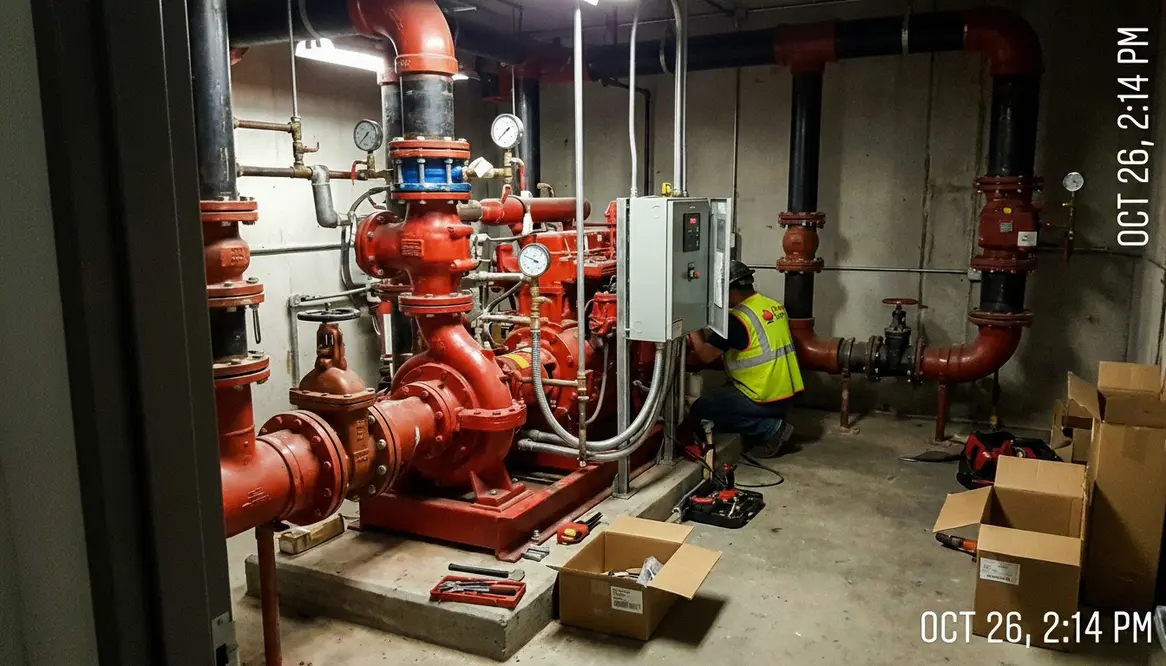
Fire Pump Installation Cost Guide Commercial Buildings
I have spent enough time around mechanical rooms to know one thing for certain. Nothing hums with quiet authority quite like a properly installed fire pump. And when clients ask me about fire pump installation cost, I lean in a bit, lower my voice, and tell them the truth. It is not just a price tag. It is a layered investment in safety, compliance, and uninterrupted operations. Because when water needs to move, it does not ask politely. It demands power, precision, and planning.
What factors shape fire pump installation cost in commercial buildings
Let me answer this the way I would if we were walking through a high rise mechanical floor together. First, the pump itself is only part of the story. The real cost unfolds in the details.
For starters, building size matters. A sprawling industrial facility demands more horsepower than a modest mid rise. Then, there is water supply. If municipal pressure is lacking, you will need a stronger pump or additional components. Naturally, that pushes costs upward.
Next comes compliance. Fire codes are not suggestions. They are firm, detailed, and occasionally as strict as a movie director chasing the perfect take. You will need proper controllers, backflow preventers, and testing systems. Each piece adds to the total.
Finally, labor plays its role. Skilled installation is not optional. It is essential. A poorly installed system is like casting the wrong actor in a leading role. It simply will not perform when the moment arrives.
Breaking down the real cost components
Now, let us peel back the layers. Because understanding where your money goes makes every decision sharper.
Equipment costs
- Fire pump unit
- Controller panels
- Jockey pumps
- Piping and valves
Installation and integration
- Labor and engineering
- Electrical integration
- Permits and inspections
- Testing and commissioning
On average, I have seen total project costs range widely depending on complexity. However, what surprises most people is how much electrical work influences the final number. Integrating a fire pump into a commercial system requires precision. This is where working with experienced providers like commercial electrical system specialists becomes critical. Because when power fails, your backup must not.
How location and building type influence pricing
Here is where things get interesting. A fire pump installed in a manufacturing plant does not play by the same rules as one in a high rise office tower.
Why two similar buildings can have very different budgets
In dense urban areas, space constraints can complicate installation. Tight quarters mean more labor hours and creative engineering. Meanwhile, industrial facilities often require higher capacity systems due to hazardous materials or expansive layouts.
Additionally, local regulations can shift the landscape. Some regions enforce stricter testing protocols or require redundancy systems. While that adds cost, it also adds peace of mind. And frankly, peace of mind is hard to put a price on.
Ways I help clients manage fire pump installation cost without cutting corners
Now, let me be clear. Cutting corners on fire protection is like skipping leg day at the gym. It might seem fine at first, but eventually, the imbalance shows.
That said, there are smart ways to manage expenses.
- Plan early so integration with building systems is seamless
- Choose the right pump size instead of overspending on unnecessary capacity
- Bundle services like electrical and mechanical work for efficiency
- Schedule installations strategically to avoid rush costs
Moreover, investing in quality upfront reduces long term maintenance issues. I have seen clients save significantly over time simply by choosing reliable components and experienced installers from the beginning.
How long does installation take and what should I expect
In most commercial settings, installation timelines range from several weeks to a few months. However, that depends on project scale and site readiness.
First comes design approval. Then equipment procurement. After that, installation begins, followed by rigorous testing. Each phase builds on the last. Skip one, and the whole system suffers.
During this process, coordination is everything. Mechanical teams, electrical contractors, and inspectors must move in sync. When they do, the result is a system that performs flawlessly. When they do not, well, let us just say delays start to pile up like sequels no one asked for.
FAQ about fire pump systems
These are the questions I hear most often when someone starts seriously looking at fire pump installation cost and long term ownership.
Final thoughts on making the right investment
When I look at a completed system, I do not just see pipes and motors. I see protection, foresight, and responsibility working together. The right approach to fire pump installation is not about chasing the lowest number. It is about building something dependable. If you are planning a project, take the time to do it right, partner with experts, and treat this as the critical investment it is. Because when the moment comes, there are no second takes.