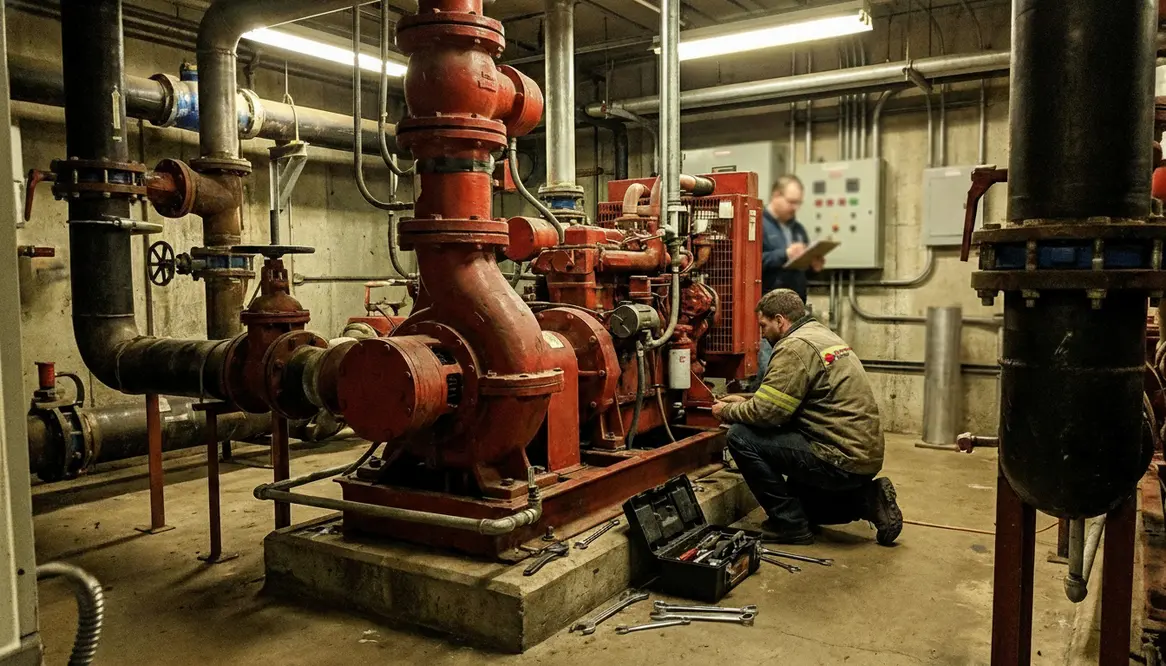
Fire Pump Replacement Cost Guide for Commercial Buildings
I have spent enough time around mechanical rooms to know one thing for certain: when a fire pump fails, it never picks a convenient moment. That is why understanding your fire pump replacement cost is not just a budgeting exercise, it is a matter of operational survival. In large commercial and industrial facilities, these systems are the silent guardians. And when they age out, they do not whisper for attention, they demand it. So let me walk you through what really drives the cost, what to expect, and how to avoid writing a check that makes your finance team stare into the void like a character in a Christopher Nolan film.
If you are responsible for a commercial building, a distribution center, or an industrial campus, the numbers behind fire pump replacement cost are not just abstract estimates. They affect capital planning, insurance expectations, and whether your building can stay operational during upgrades. Treat this as your field guide to staying ahead of failures instead of reacting to them.
What drives fire pump replacement cost in commercial buildings
Right away, I can tell you there is no flat number. However, several key factors shape the final price, and they tend to stack up quickly.
First, the type of pump matters. Electric pumps often cost less upfront, while diesel driven systems bring higher equipment and installation expenses. Next, capacity plays a role. A high rise building or industrial facility will require a system that moves serious water volume, and that scale increases both equipment and labor costs.
Additionally, accessibility can quietly inflate your bill. If your pump room is tucked behind layers of infrastructure, expect more labor hours. I have seen projects where getting the old unit out felt like solving an escape room, minus the fun.
Finally, compliance requirements matter. Local codes, NFPA standards, and insurance mandates can all influence design upgrades during replacement. That means you are not just swapping equipment, you are often modernizing the entire system.
Typical price ranges and what I actually see in the field
Let me put some numbers on the table. For most commercial and industrial properties, I typically see total replacement costs fall between $50,000 and $250,000+. Yes, that range is wide, but it reflects reality.
On the lower end, you might be dealing with a straightforward electric pump swap in a facility with easy access and minimal upgrades. On the higher end, large industrial sites or high rise buildings often require new controllers, piping modifications, and system recalibration.
Moreover, diesel systems tend to push costs upward due to fuel systems, exhaust requirements, and additional safety measures. And if your system has been around since flip phones were cool, expect surprises once the work begins.
How I break down the cost components
Equipment
The pump itself, driver, and controller form the core expense. These components must meet strict standards, and quality is not optional.
Labor
Skilled technicians handle removal, installation, alignment, and testing. This is not a DIY weekend project unless you enjoy chaos.
System upgrades
Many replacements require updated piping, valves, or electrical work to meet current codes.
Testing and commissioning
After installation, full performance testing ensures compliance and reliability. Skipping this step is like buying a parachute and never checking if it opens.
Can I reduce fire pump replacement cost without cutting corners
Yes, but only if you approach it strategically. First, plan ahead. Emergency replacements almost always cost more because urgency limits your options. Second, schedule regular inspections so you can anticipate failure instead of reacting to it.
Additionally, work with specialists who focus on commercial and industrial systems. For example, I often recommend reviewing resources from experienced fire pump service professionals who understand large scale facility requirements. Their expertise can prevent costly missteps.
Finally, consider lifecycle costs instead of just upfront pricing. A slightly more expensive system with better efficiency and durability can save money over time. Think of it like choosing between a reliable truck and a flashy sports car that lives in the repair shop.
When should I replace instead of repair
This is where experience really matters. I usually recommend replacement when repairs become frequent, parts are hard to source, or performance no longer meets demand.
Also, if your system struggles during flow testing, that is a red flag. In commercial environments, reliability is everything. A failing pump is not just a maintenance issue, it is a liability.
In many cases, once repair costs approach half of a new system, replacement becomes the smarter move. It is not always an easy decision, but it is often the right one.
Fire pump replacement cost planning for large facilities
For major properties, I always advise building a long term capital plan. Start by documenting system age, performance history, and maintenance trends. Then, align replacement timelines with broader facility upgrades to reduce disruption.
Equally important, involve stakeholders early. Operations, safety teams, and finance departments all have a role to play. When everyone understands the scope, the process becomes smoother and far less stressful.
And let me be honest, nothing brings a team together quite like avoiding a six figure surprise expense. Building a clear view of your fire pump replacement cost across sites turns an ugly emergency into a manageable line item.
Putting fire pump replacement cost in perspective
Viewed in isolation, a six figure project is painful. Viewed against the backdrop of business interruption, reputation damage, and safety risks, it starts to look more like insurance you can actually control. Treating fire pump replacement cost as part of a long term reliability strategy keeps you from falling into the “run it till it dies” trap that facilities regret later.
FAQ
Conclusion
When I look at a fire pump system, I do not just see equipment. I see protection, continuity, and peace of mind. Understanding your fire pump replacement cost allows you to act before problems escalate. If your system is aging or underperforming, now is the time to evaluate your options, consult experts, and plan wisely. The right decision today can prevent disruption tomorrow and keep your facility running safely without unwelcome surprises.