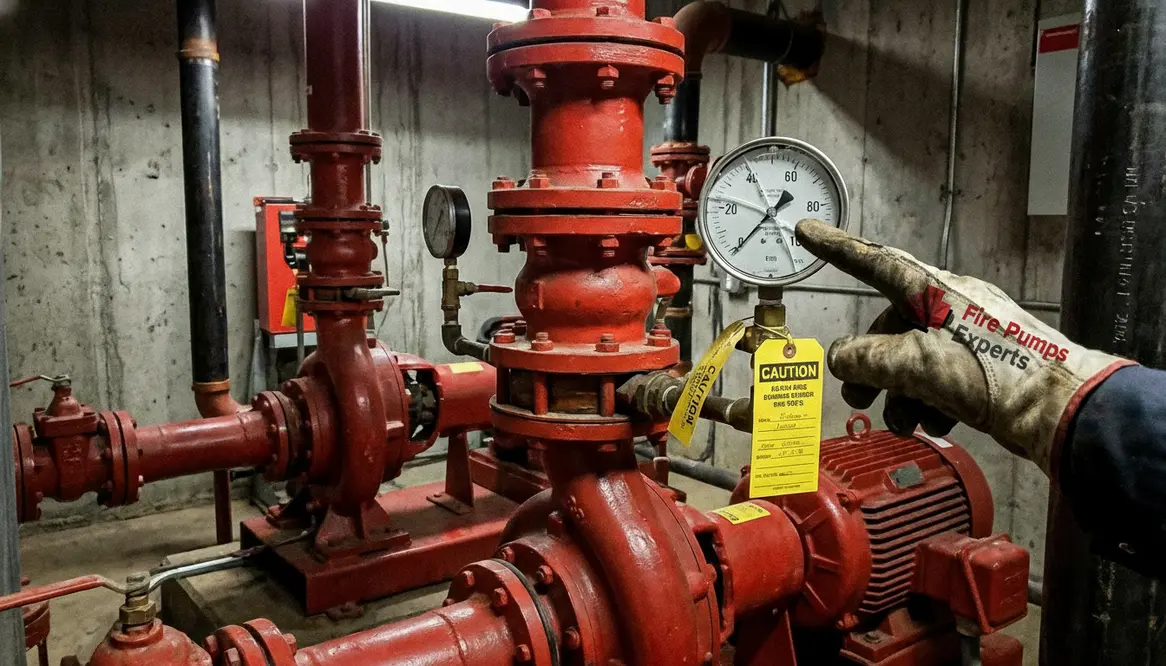
Fire Pump Cavitation Causes Signs and Prevention
I have spent enough time around industrial pump rooms to know one thing for sure. When fire pump cavitation shows up, it does not knock politely. It rattles, growls, and quietly chips away at performance until something expensive gives up. In large commercial and industrial facilities, that is not just inconvenient. It is a liability waiting to happen. So let me walk you through what causes it, how to spot it early, and why ignoring it is about as wise as ignoring a smoke alarm during a barbecue mishap.
What is Fire Pump Cavitation and Why Should I Care?
I like to explain it simply. Cavitation happens when pressure inside a pump drops low enough that liquid turns into vapor bubbles. Then, as pressure recovers, those bubbles collapse. That collapse is not gentle. It is more like tiny implosions hitting metal surfaces over and over.
Now, in a fire protection system serving a high rise or industrial campus, consistency is everything. However, when fire pump cavitation enters the picture, flow becomes unstable, efficiency drops, and internal components begin to erode. Over time, that damage can compromise the pump’s ability to perform when it matters most.
So yes, you should care. Because when a fire pump fails, it does not fail quietly. It fails at the worst possible moment.
Primary Causes Behind Fire Pump Cavitation
Let me get straight to it. Cavitation is not random. It is usually the result of conditions we can identify and fix.
Insufficient suction pressure
Insufficient suction pressure often tops the list. When the pump is not getting enough incoming water pressure, vapor bubbles form. This can happen due to undersized supply lines or issues with the water source.
High fluid temperature
High fluid temperature also plays a role. Warmer liquids vaporize more easily. While fire systems are not typically dealing with hot fluids, certain industrial setups can shift those conditions.
Excessive pump speed
Excessive pump speed is another culprit. Push a pump beyond its intended range, and pressure imbalances follow. It is a bit like revving a car engine nonstop and expecting it to last forever.
Poor system design
Poor system design deserves its own spotlight. Sharp bends, long suction runs, or restrictive valves can all reduce pressure before water even reaches the pump.
For a deeper technical perspective, I often point professionals toward resources like fire pump system standards and best practices, which outline proper design and operational benchmarks for large scale facilities.
Warning Signs I Never Ignore in a Pump Room
Here is where things get practical. Cavitation rarely stays hidden. It leaves clues, and if you know what to listen and look for, you can catch it early.
Audible clues
- A distinct rattling or knocking sound
- Noise that resembles gravel moving through pipes
- Sudden changes in pump tone during operation
Performance clues
- Drop in pressure or flow consistency
- Unexpected vibration in the pump housing
- Reduced system efficiency over time
Additionally, I always keep an eye on physical damage during inspections. Pitted impellers and worn surfaces are classic signs. And yes, once you see that kind of wear, the problem has already been around longer than you would like.
How I Diagnose and Confirm the Problem
I do not rely on guesswork. Instead, I follow a clear process. First, I measure suction pressure and compare it against design requirements. If the numbers are off, I know where to start digging.
Next, I evaluate flow rates and system demand. Sometimes, the pump is being pushed beyond its intended capacity. Other times, restrictions upstream are choking supply.
I also pay attention to vibration analysis. Modern monitoring tools can reveal patterns that are invisible to the naked eye. And when those patterns point to bubble collapse events, the diagnosis becomes clear.
Finally, I review system design. Even a well maintained pump will struggle in a poorly designed setup. Fixing layout issues often delivers long term relief.
Preventing Fire Pump Cavitation Before It Starts
Prevention is where things get satisfying. Because unlike some mechanical issues, cavitation is largely avoidable.
I always start with proper system design. That means adequate pipe sizing, minimal restrictions, and a clean, direct suction path. Then, I ensure the pump operates within its intended range. Overworking equipment might feel productive, but it usually leads to expensive consequences.
Routine maintenance also plays a major role. Regular inspections help catch early warning signs before they escalate. Moreover, monitoring tools provide real time insights that help teams act quickly.
And let me add a bit of honesty here. Skipping maintenance to save time is like skipping leg day and expecting to run a marathon. It sounds efficient until reality shows up.
Why Cavitation Hits Large Facilities Harder
In commercial towers, manufacturing plants, and large campuses, systems are more complex. There are longer pipe runs, higher demand loads, and stricter compliance requirements. Because of that, small inefficiencies amplify quickly.
Additionally, downtime in these environments carries serious costs. A compromised fire protection system can disrupt operations, delay occupancy approvals, or trigger compliance issues.
That is why I always stress proactive monitoring and professional oversight. In large scale environments, waiting for a problem to become obvious is not a strategy. It is a gamble, especially when you are dealing with the risks that come with fire pump cavitation in mission critical systems.
FAQ: Quick Answers You Can Use Immediately
Final Thoughts and Next Steps
If you manage a commercial or industrial facility, do not wait for noise and vibration to tell you something is wrong. Stay ahead of fire pump cavitation with proper design, consistent monitoring, and expert support. The right adjustments today can prevent costly failures tomorrow. If your system shows even subtle warning signs, now is the time to act and bring in professionals who understand the stakes and know how to keep fire pump cavitation from becoming the most expensive sound in your mechanical room.