Fire Pump Repair Cost Guide for Commercial Systems
I have spent enough time around mechanical rooms to know one truth. When a fire pump goes quiet, people get very loud. And right behind that panic comes the question everyone asks in a hushed voice, like they are ordering something expensive at a restaurant. What is the fire pump repair cost going to be? The answer is not one number. It is a story. A story about parts, labor, urgency, and how well that system was treated before it decided to protest.
So let me walk you through it in plain terms. No fluff. No smoke and mirrors. Just a steady look at what really drives pricing in commercial and industrial fire protection systems.
What drives fire pump repair cost in commercial systems
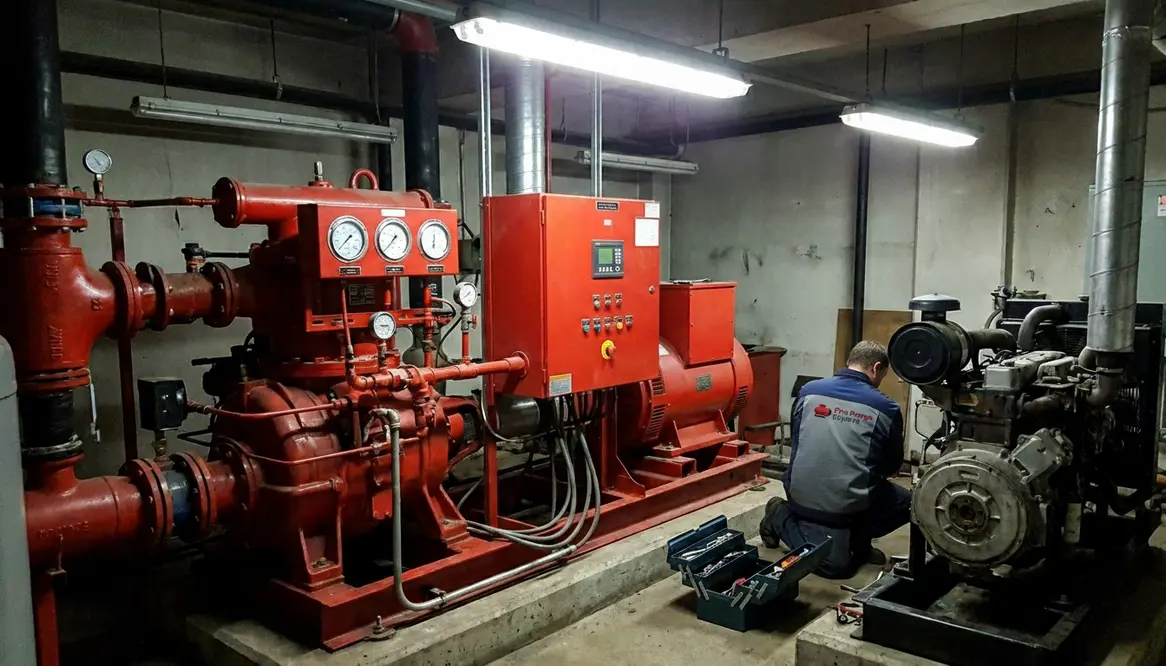
First, I look at the type of pump. Electric, diesel, or turbine systems each come with their own quirks. Electric pumps tend to be simpler, but when controls fail, things get pricey fast. Diesel units, on the other hand, bring in fuel systems, batteries, and engines that act like they have personalities. Some days they cooperate. Some days they remind you who is boss.
Then there is the size of the facility. A high rise or industrial complex does not play by the same rules as a small setup. Larger systems mean larger components, and larger components mean higher repair costs. It is just physics and economics shaking hands.
Labor also plays a starring role. Skilled technicians who understand fire protection systems are not guessing their way through repairs. They are trained, certified, and in demand. That expertise is part of the price, and frankly, it should be.
Finally, I always consider compliance. Commercial properties must meet strict fire codes. Repairs are not just about getting things running. They are about meeting standards that inspectors will not argue about.
Typical price ranges and what you are actually paying for
Let me give you a grounded picture. Minor fixes like sensor replacements or valve adjustments might land in the lower hundreds to a couple thousand dollars. Once we step into motor issues, controller replacements, or diesel engine repairs, the numbers climb into the several thousand range.
And if the pump itself needs major work or replacement parts are rare, the repair cost can stretch much higher. That is the moment when people start staring at the wall like they just heard a plot twist in a movie.
What you pay for
- Specialized diagnostics
- Certified labor
- Replacement parts
- System testing and calibration
What you avoid
- Code violations
- System failure during emergencies
- Insurance complications
- Operational downtime
So yes, the numbers can feel steep. But compared to the cost of failure, they are often the cheaper story.
How I keep repair costs from spiraling out of control
Here is where things get interesting. Most expensive repairs are not surprises. They are delayed conversations.
Regular inspections and testing are your best defense. When I follow guidelines from trusted resources like commercial fire pump system standards, I catch wear before it turns into failure. It is the difference between replacing a worn seal and rebuilding an entire pump assembly.
I also pay attention to performance signals. Strange vibrations, pressure drops, or delayed starts are not just quirks. They are warnings. Ignoring them is like ignoring a check engine light and hoping the car fixes itself. Spoiler alert. It will not.
Preventive maintenance may feel like an extra cost, but it consistently reduces long term repair expenses. It is the slow and steady approach, and yes, it wins the race.
Emergency repairs vs planned service calls
Now let me say this clearly. Timing changes everything.
Emergency repairs almost always cost more. Technicians need to respond quickly, sometimes after hours, and parts may need expedited shipping. That urgency comes with a price tag.
On the other hand, planned service calls allow for scheduling, proper diagnostics, and cost control. I get to assess the issue, order the right parts, and fix it without the pressure of a ticking clock.
It is the difference between calling for help during a storm and fixing the roof when the sky is clear. One is reactive. The other is smart.
Is investing in repair always the right move
Not always. Sometimes the math tells a different story.
If a system is aging, inefficient, or facing repeated failures, repair costs can stack up quickly. At that point, I start comparing cumulative repair expenses against replacement. It is not about giving up on the system. It is about making a decision that supports long term reliability.
In large commercial facilities, downtime is expensive. So I weigh not just the repair bill, but also the operational risk. A new or upgraded system may cost more upfront, but it often delivers stability and compliance without constant intervention.
Think of it like maintaining an old phone that barely holds a charge. At some point, you stop replacing the battery and just upgrade.
Understanding your fire pump repair cost in context
There is a temptation to treat every repair quote like a shock to the system. But the more context you have, the more sense your fire pump repair cost starts to make. A quote that looks high on paper may actually be the price of catching a catastrophic failure before it breaks your budget and your system at the same time.
When I review a proposal, I do not just scan for the total. I look at what is being inspected, what is being replaced, and how the testing will verify performance afterward. A thorough scope of work often tells you that the quote is not inflated; it is comprehensive.
That is also why comparing only the lowest line item is dangerous. A cheaper number that skips testing, documentation, or code alignment can leave you with a system that technically runs but fails you when the building needs it most. The right fire pump repair cost reflects more than parts and labor. It reflects reliability under pressure.
FAQ about fire pump repair cost
Final thoughts and next steps
I always see fire pump systems as silent guardians. They do not ask for attention until they need it. When they do, the smartest move is acting early and choosing experienced professionals who understand commercial systems. If you want to control your fire pump repair cost and avoid surprises, start with a proper inspection and a clear maintenance plan. It is a simple step that protects your building, your people, and your budget.