Fire Pump Inspection Cost Guide for Commercial Buildings
I have spent enough time around commercial buildings to know one thing for certain. When a fire pump fails, it does not send a polite warning. It simply waits for the worst possible moment. That is why understanding your fire pump inspection cost is not just a budgeting exercise. It is a form of risk management. In large facilities, where lives, assets, and reputations are all on the line, inspections are not optional. They are the quiet guardians working behind the scenes.
So let me walk you through it. Slowly, clearly, and with just enough humor to keep us both awake.
What Drives Fire Pump Inspection Cost in Commercial Buildings
Let us start with the big question everyone asks, usually right after seeing a quote. What exactly am I paying for?
The answer is layered. First, the size and complexity of your system matter. A high rise hospital or industrial plant will naturally demand more time, more expertise, and more detailed reporting than a small warehouse. Additionally, diesel driven pumps often cost more to inspect than electric ones because they require mechanical checks that go beyond basic testing.
Then there is compliance. NFPA standards are not suggestions. They are strict, detailed, and occasionally feel like they were written by someone who really enjoys checklists. Inspectors must follow these standards closely, which increases labor time but ensures reliability.
Finally, frequency plays a role. Weekly churn tests, monthly inspections, and annual flow tests all stack up. However, skipping them is like skipping oil changes in your car. It saves money right up until it really does not.
Typical Price Ranges and What I Usually See
Now, let us talk numbers, because that is why you are here.
In most commercial and industrial facilities, I typically see inspection pricing fall into predictable tiers. Basic monthly inspections may range from a few hundred dollars, while full annual flow testing can reach into the thousands depending on system size and accessibility.
However, the true fire pump inspection cost is not just the invoice. It includes technician expertise, documentation for compliance audits, and early detection of issues that could otherwise lead to catastrophic failure.
Think of it this way. Paying for inspections is like paying for a good security system. You hope it never proves its worth, but when it does, it becomes priceless.
How I Compare Inspection Costs Across Facilities
Lower Cost Factors
- Electric pumps with simple layouts
- Easy access to equipment rooms
- Newer systems with fewer compliance issues
- Facilities with consistent maintenance history
Higher Cost Factors
- Diesel engines requiring full mechanical checks
- Complex piping networks
- Older systems needing detailed reporting
- Large scale industrial operations
When I compare facilities, I notice something interesting. The buildings that invest consistently often pay less over time. Meanwhile, those that delay inspections tend to face surprise repairs that hit harder than a plot twist in a thriller movie.
Can I Reduce My Fire Pump Inspection Cost Without Cutting Corners
Short answer. Yes. Long answer. Also yes, but you need to be strategic.
First, bundle services. Many providers offer better pricing when inspections, testing, and maintenance are scheduled together. This reduces repeat visits and administrative overhead.
Next, keep your system clean and accessible. I cannot overstate this. When technicians spend less time navigating cluttered mechanical rooms, inspections move faster. Time, as they say, is money.
Also, choose experienced providers who specialize in commercial and industrial systems. A qualified team will identify issues early, saving you from expensive emergency repairs later. For a deeper look into industry standards and best practices, I often recommend reviewing resources from fire pump inspection guidelines for commercial systems.
And finally, stay consistent. Skipping inspections might feel like saving money, but it often leads to higher long term expenses. It is the classic sequel nobody asked for.
What Happens During a Professional Inspection
Let me paint a quick picture.
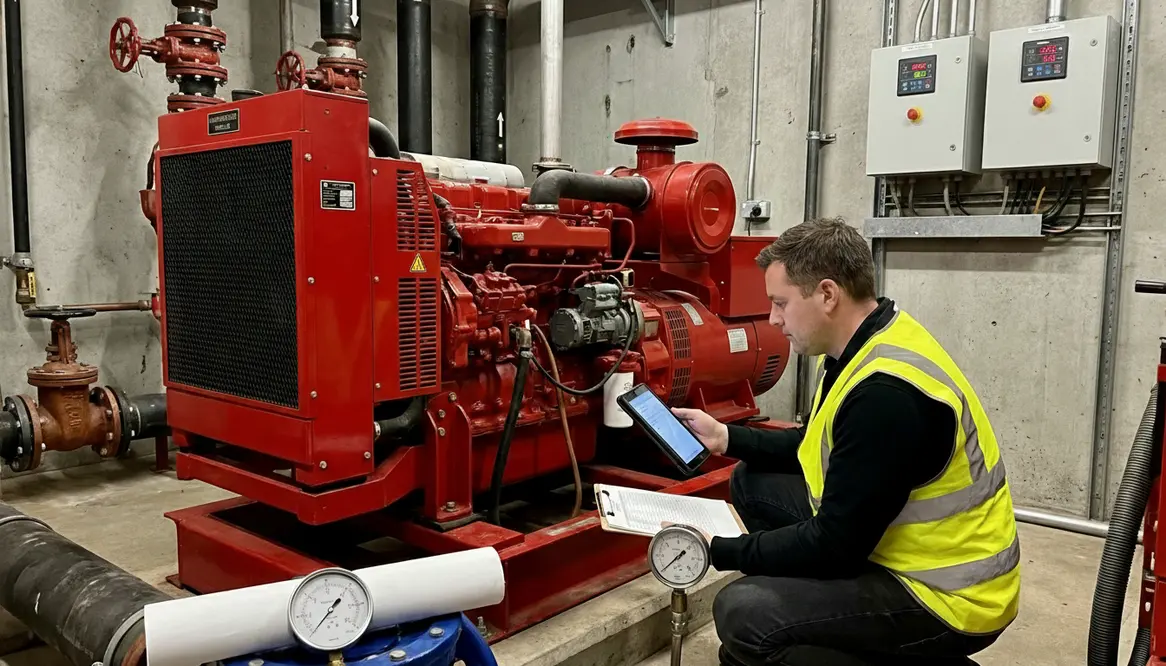
An inspector walks in, not with guesswork, but with a checklist shaped by NFPA standards. They evaluate pump performance, verify pressure levels, inspect valves, and ensure the controller responds correctly. For diesel systems, they check fuel levels, battery health, and engine operation.
Then comes testing. Flow tests simulate real demand conditions, ensuring the pump delivers when it matters most. Any irregularities are documented clearly, because in commercial environments, paperwork is just as important as performance.
It is thorough, methodical, and yes, sometimes a bit like watching a very serious episode of a technical documentary. But every step has a purpose.
Why Commercial Facilities Cannot Afford to Guess
In large properties, uncertainty is expensive. A failed fire pump can shut down operations, trigger fines, and create serious safety risks. Therefore, investing in accurate inspections is less about cost and more about control.
I often remind facility managers that inspections are not just compliance tasks. They are part of a broader safety strategy. When everything works as expected, nobody notices. And that is exactly how it should be.
FAQ About Fire Pump Inspection Cost
These are the questions that tend to come up when people start digging into fire pump inspection cost and how it fits into their facility budget.
Final Thoughts and Next Steps
When I look at the bigger picture, the real value of inspections becomes clear. You are not just paying for a service. You are investing in reliability, compliance, and peace of mind. If you manage a commercial or industrial facility, now is the time to review your inspection plan, partner with qualified professionals, and ensure your system is ready for anything. Because when it comes to fire protection, being prepared is always cheaper than being surprised.