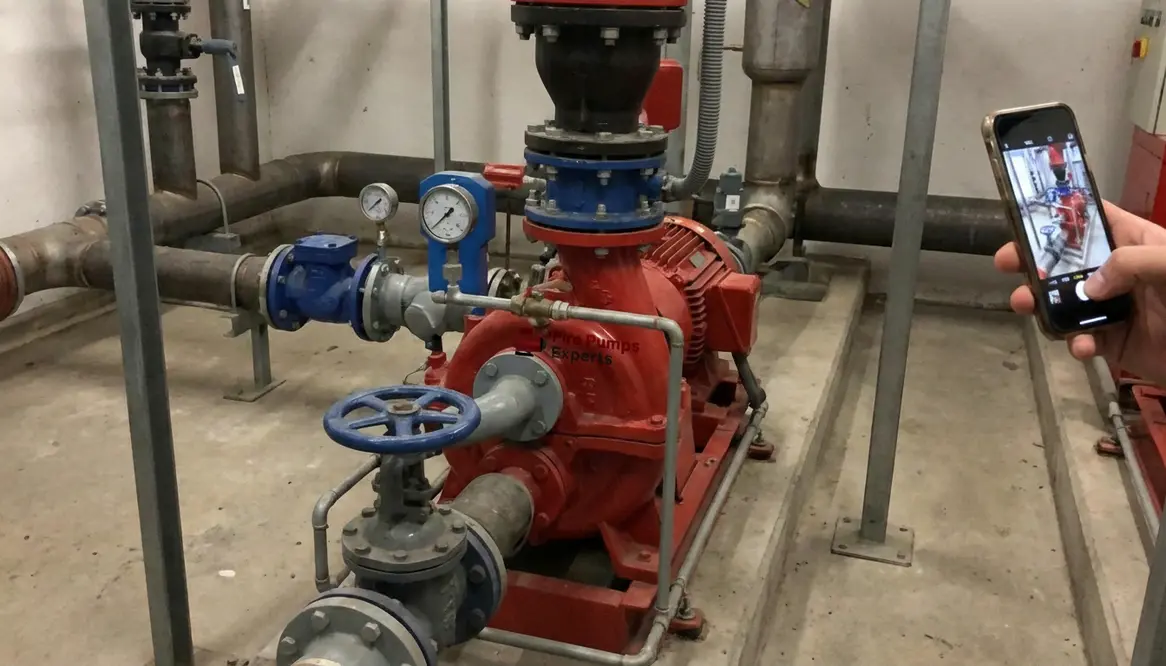
EN 12845 Fire Pump Flow and Pressure Guide
EN 12845 Fire Pump Flow and Pressure Requirements: What I Check First
When I look at EN 12845 fire pump flow and pressure requirements, I start with one simple truth: the pump must deliver the right water, at the right pressure, for the right time. That sounds plain, but in a fire system, plain is powerful. I have seen too many projects act like pressure is a side character in a blockbuster film. It is not. It is the main actor. For commercial and industrial buildings, and for major property developments, the EN 12845 flow rules decide whether the system stands ready or just looks good on paper. And paper, as we all know, does not put out fires.
In this article, I walk through the key points I use when reviewing pump duties, pressure needs, and system fit. I keep it practical, because that is what matters when the building is large, complex, and expensive enough to make everyone speak in calm voices.
What EN 12845 Fire Pump Flow and Pressure Mean in Practice
EN 12845 fire pump flow and pressure requirements describe the water supply a sprinkler system needs during a fire event. In simple terms, the pump must move enough water through the sprinkler network while also holding enough pressure at the most difficult point in the system. That point is usually the farthest or highest demand area, because of course the building likes to test us at the worst spot.
I always look at three things together: the flow rate, the pressure at the pump outlet, and the pressure loss across the pipework and fittings. If one part drops, the whole performance drops with it. So, I never treat flow and pressure as separate problems. They work as a team, much like a good heist crew in Ocean’s Eleven, except the mission is not stealing jewels. It is controlling fire.
How I Read the Flow Demand for a System
The flow demand depends on the sprinkler hazard class, the building use, and the layout. Light hazard, ordinary hazard, and high hazard areas all need different water supplies. Therefore, I always start with the design basis before I even think about pump size. If the hazard class is wrong, the pump selection will be wrong too. That is where many costly mistakes begin.
For large commercial and industrial sites, I also check whether the system includes hose reels, pumps for combined duties, or special storage risks. Then I review the duty point in the design. The pump must reach the required flow without falling off a cliff as pressure rises. A good curve matters here. A pump curve that looks nice but performs badly is just a chart with confidence issues.
EN 12845 Pressure Requirements I Always Verify
EN 12845 fire pump flow and pressure requirements are not only about how much water moves. They also depend on how much pressure survives the trip through the system. I verify the following:
What I Check
Minimum pressure at the most remote sprinkler
Pressure loss in pipes and valves
Pump outlet pressure
Water supply conditions
Pump room setup
Why It Matters
It confirms the sprinkler can discharge in the right pattern and density
It shows how much pressure the system uses before water reaches the fire area
It proves the pump can support the full system demand
It helps me confirm the pump does not outrun the source
It affects access, cooling, and safe operation during an emergency
I also look at whether the pressure remains stable during the full required run time. A short burst of pressure is not enough. Fire systems need endurance, not drama.
How I Match the Pump to the Building Demand
Once I know the demand, I compare it with the pump curve and the water source. That is where the real work starts. The pump must sit in the right operating range, not at the edge of its comfort zone. If it runs too far left or right on the curve, it can waste energy, create wear, or fail to meet the design demand.
I also make sure the water source can support the pump for the full duration required by the system design. In industrial plants and major properties, that source may come from tanks, town mains, or combined storage. However, the pump must never depend on wishful thinking. Wishful thinking is not a recognized water supply, no matter how hard the project team smiles.
Keeping EN 12845 Flow and Pressure On Target
For this reason, I recommend a review process that includes flow testing, hydraulic checks, and final commissioning checks. If you need support on compliance and design review, I suggest looking at expert EN 12845 fire pump services for commercial and industrial buildings to keep the project aligned from start to finish. Keeping EN 12845 flow aligned with real-world pressure is what turns drawings into dependable protection.
Why Commissioning Matters as Much as Design
Even the best design can fail if the commissioning is weak. I always say a fire pump is like a star performer: it needs rehearsal before opening night. During commissioning, I confirm actual flow, actual pressure, and system response under test conditions. Then I compare the results with the design target.
This step matters because real systems rarely behave exactly like drawings. Pipe losses, valve settings, and installation details all affect performance. Therefore, commissioning tells me whether the system will truly deliver when the alarm sounds and everyone suddenly remembers the fire strategy.
I also check alarms, start logic, and power supply. A pump that cannot start reliably is just heavy equipment with a dream. Matching EN 12845 flow to live pressure tests during commissioning is where theory finally proves its worth.
FAQ on EN 12845 Fire Pump Flow and Pressure
Final Thoughts and Next Step
EN 12845 fire pump flow and pressure requirements shape the heart of a reliable sprinkler system. I treat them as a core design duty, not a box to tick after lunch. If you manage a commercial, industrial, or major property project, now is the time to review your pump duty, your pressure loss, and your commissioning plan. I can help you move from drawings to dependable performance, so your fire system does what it should when it matters most. Contact me today and let us make the system ready, not merely present.