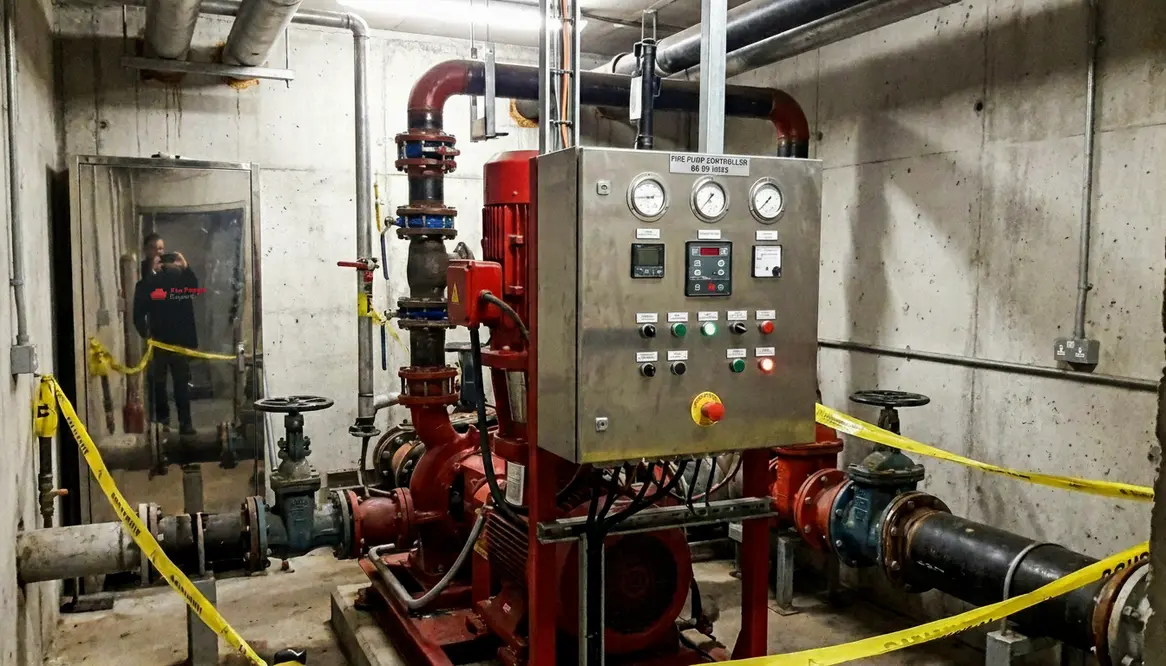
BS EN 12845 Controller for Fire Pump Safety
When I talk about fire safety in commercial and industrial buildings, I always come back to one quiet hero in the plant room: the BS EN 12845 controller. It does not get the spotlight, and frankly, it would probably hate the attention. Still, this unit sits at the heart of the fire pump system, making sure the pump starts, runs, and protects the building when water pressure drops. In a warehouse, factory, shopping complex, or other major property, that matters a great deal. And yes, it matters even more than the office coffee machine, which somehow still gets more maintenance.
What I check first in a BS EN 12845 fire pump setup
First, I look at the power supply and control logic. The controller must support reliable automatic start, because a fire pump that waits for a human to wake up is already doing the wrong job. It should detect pressure loss fast and send the start signal without delay. Moreover, it must keep the pump under control during operation and show clear status signals for fault, run, and power loss.
In large facilities, I also check how the controller fits into the full fire protection plan. The pump room needs the right layout, safe access, and strong environmental protection. Heat, water, dust, and vibration can all cause trouble. Therefore, the controller must live in a proper plant space, not in some improvised corner that feels like a scene from a low budget action film.
BS EN 12845 controller requirements for reliable operation
The standard expects the controller to help the pump work when needed and stay ready when idle. So, I focus on a few core points. The unit should allow automatic and manual start. It should show the system state clearly. It should handle alarms for mains failure, pump fault, and battery or control issues. In addition, it should support dependable restart after a brief interruption.
For BS EN 12845 controller compliance, I also check the way the device protects the pump motor and control circuit. The controller should not create weak links. Instead, it should keep the system simple, direct, and dependable. That is the rule here. Fire protection does not need drama. It needs certainty.
Here is a simple view of the main control needs:
| Control feature | Why it matters |
| Automatic start | Starts the pump when pressure falls |
| Manual start | Allows local testing and emergency control |
| Status indication | Shows run, fault, and power conditions |
| Alarm output | Alerts building teams to system problems |
| Durable enclosure | Protects the controller in harsh plant rooms |
How I make sure the controller works in commercial and industrial sites
In commercial and industrial buildings, I do not treat the controller as a box on the wall. I treat it as part of an active safety chain. That means I check the pump size, the duty of the building, and the level of risk on site. A distribution centre, for example, may need a very different setup from a high rise office block or a major retail site.
Also, I look at testing. The controller must support regular checks so the team can confirm the pump starts and the alarm signals work. If the site team cannot test it easily, the system loses value. And let us be honest, a fire safety system that nobody can test without a small engineering pilgrimage becomes a problem fast.
For businesses that want practical support, I often suggest reviewing trusted guidance from fire pump solutions for commercial and industrial buildings so the pump room design, controller choice, and site duties stay aligned.
Why testing and alarms matter more than people think
Many people assume the controller only matters during an emergency. However, I see it as a daily guard. It watches the pump state, signals faults, and helps teams spot trouble before it grows. Because of that, alarm handling matters a lot. A silent fault is the kind that sneaks in like a villain in a spy movie.
Regular testing also keeps confidence high. If the controller starts the pump properly during scheduled checks, then the site team knows it will likely do the same in a real event. Of course, no system should rely on hope. Hope is fine for lottery tickets. It is not a fire strategy.
Checks that keep a BS EN 12845 controller trustworthy
- clear weekly or monthly test routines
- fast fault reporting to maintenance staff
- records of inspection and corrective action
- proper access to the controller for safe checks
- evidence that the system stays clean, dry, and secure
Putting the BS EN 12845 controller at the center of protection
In many sites, the BS EN 12845 controller arrives late in the design process, almost as an afterthought. That is a mistake. The controller shapes how the fire pump behaves, how alarms travel through the building, and how quickly people can react. When it is specified early, with the building’s risk profile in mind, the whole system feels more coherent and easier to manage.
It is also where operations, maintenance, and compliance meet. Operations teams rely on clear indication. Maintenance teams rely on accessible components and honest alarms. Compliance teams rely on evidence that the system performs to the standard. When the controller configuration supports all three, everyone has fewer awkward conversations after inspections or false alarms.
Common mistakes with BS EN 12845 controller installations
- treating the controller as a generic motor starter instead of a dedicated fire pump brain
- hiding it in cramped or damp corners where nobody wants to spend time testing it
- connecting alarms in a way that only a single engineer understands
- ignoring environmental factors like heat and vibration from nearby equipment
- failing to train on-site teams so they only meet the panel properly on the day of an incident
FAQ
Conclusion
If you manage a warehouse, factory, shopping centre, or other major building, I recommend reviewing your fire pump control setup now, before a fault turns into a costly surprise. The right BS EN 12845 controller supports fast action, clear alarms, and steady protection when every second counts. So, take a hard look at your system, check the test records, and make sure your fire pump room is ready for real duty. Your building deserves that level of care, and your team will sleep better for it.