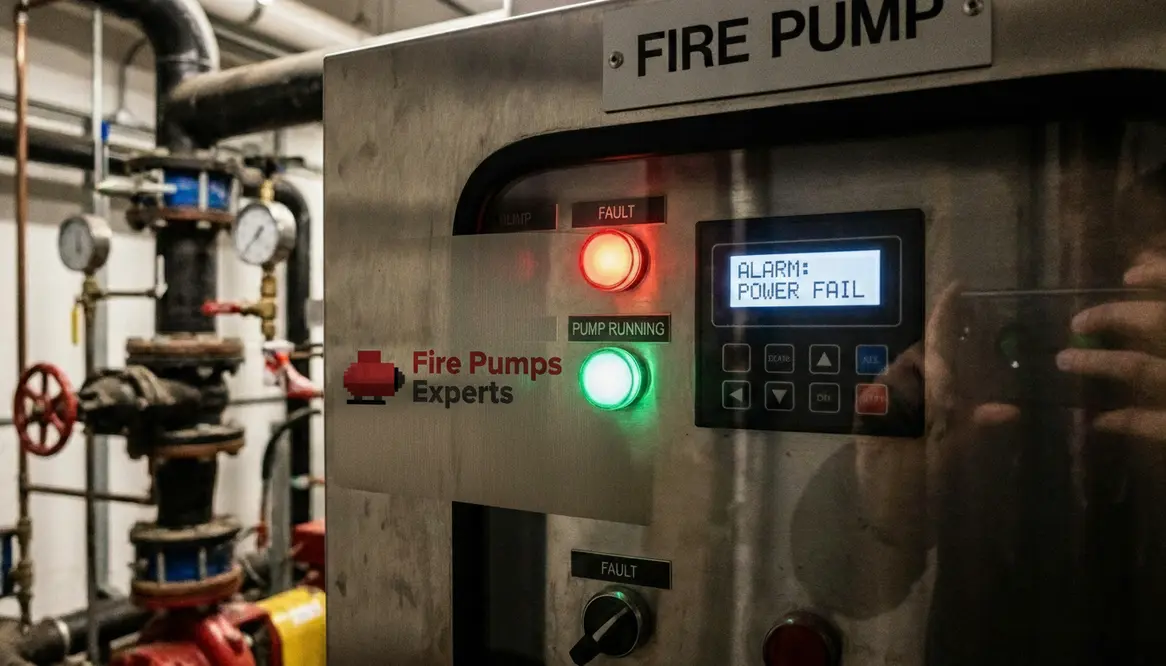
BS EN 12845 Fire Pump Alarm Requirements Guide
BS EN 12845 Fire Pump Alarm Requirements: What I Check, Why It Matters, and How I Keep a System Honest
When I look at a BS EN 12845 alarm setup, I do not treat it like a background detail. I treat it like the system’s voice. If a fire pump starts, stalls, loses power, or behaves badly, that alarm must speak up fast and clearly. In commercial and industrial buildings, and in major property complexes, that warning can protect people, assets, and operations before a small fault turns into a very expensive story. And yes, fire protection is one of those rare topics where “better safe than sorry” still sounds fresh.
In this guide, I explain the alarm requirements in plain language, from what the alarm must tell you to how I check it in real life. I keep it practical, because no one wants a safety standard that reads like a tax form from a galaxy far, far away.
What the BS EN 12845 fire pump alarm must do
The main job of the alarm is simple: it must tell people when the fire pump system needs attention. I expect clear signals for key events such as pump start, power failure, and fault conditions. In a fire protection system, silence is not golden. Silence can mean trouble.
For commercial and industrial sites, that alarm must do more than flash and beep for drama. It must support quick action by maintenance teams, security staff, and building managers. Therefore, the alarm should be reliable, easy to understand, and linked to the right response process. If the pump starts because of a pressure drop, I want that event recorded. If the pump fails to start, I want that made obvious even faster. No mystery, no guessing, no “I thought someone else was handling it.”
The standard focuses on making sure the alarm works as part of the full fire pump installation. So, I look at the signal path, the display, the audible warning, and the way the system sends fault notices to the right place. A good alarm does not just shout. It tells the right people the right thing at the right time.
How I test BS EN 12845 alarm signals in real buildings
I test alarm signals by checking how the system reacts under real conditions, not just in theory. First, I confirm that the pump start signal appears when the pump begins to run. Then I check fault and power failure messages. After that, I make sure the alarm is visible and audible in the areas that matter.
Here is the practical view I use:
- Start indication: the system must show that the pump has started
- Fault indication: the alarm must show loss of function or control issues
- Power failure indication: the alarm must warn when supply problems affect the system
- Signal clarity: staff must understand the alert without a decoder ring
- Response speed: the alert must arrive fast enough to matter
Also, I check whether the alarm reaches the correct monitoring point. In a large site, that often means a control room, security desk, or a staffed location where action can happen immediately. A signal hidden in a corner cabinet is about as useful as a Batman signal with no Batman. Great symbolism, poor outcomes.
BS EN 12845 alarm checks for commercial and industrial facilities
In a commercial or industrial building, I pay extra attention to scale and workflow. These places often have multiple users, shift teams, and high value equipment. So, the alarm must fit the site’s daily rhythm without getting ignored.
Layout and monitoring in one view
Because large sites often run around the clock, I also make sure the alarm does not rely on one person’s memory or a sticky note with heroic intentions. The system should record events, support checks, and give maintenance teams a clear path to act. That way, the alarm becomes part of the site’s safety routine, not just a box ticking exercise.
What alarm faults I look for during maintenance
When I inspect a fire pump alarm, I look for signs that the system may not perform well under pressure. First, I check for failed lights, weak buzzers, wiring issues, and control faults. Then I look at whether the alarm sends the right message for each event. A mixed up signal can slow response, and in fire protection, delays cost more than money.
I also check whether someone has bypassed parts of the system. That happens more often than people admit, usually with the same energy as a sitcom plot where “just this once” leads to a bigger mess. In serious sites, shortcuts can create real risk. So, I want records, test logs, and a clear maintenance trail. The alarm must stay ready, not merely installed.
If a site wants deeper technical help, I suggest reviewing a trusted source on BS EN 12845 fire pump systems for commercial buildings for more context on pump setup and monitoring needs. That kind of reference helps connect alarm performance with the wider fire protection design.
FAQ: BS EN 12845 alarm answers I hear most often
Conclusion
If you manage a commercial or industrial site, I recommend treating the fire pump alarm as a front line safety tool, not background noise. A solid BS EN 12845 alarm setup helps you catch faults early, protect critical assets, and keep the system ready when it matters most. So, if you want confidence instead of guesswork, review your fire pump alarms now, test them properly, and bring in expert support before a small warning turns into a bigger problem.