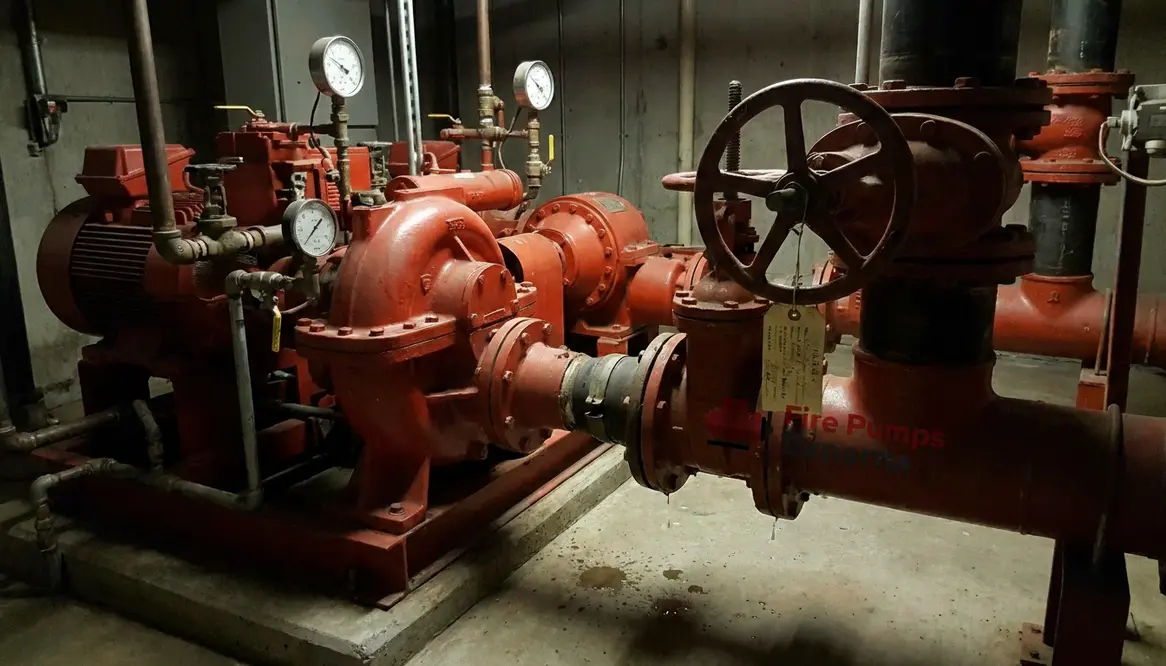
LPC Rules Fire Pump Common Deficiencies Guide
LPC Rules Fire Pump Common Deficiencies may sound like a dry inspection topic, but I have seen it save buildings, budgets, and a whole lot of headaches. In commercial and industrial properties, a fire pump is not a nice extra. It is a backbone piece of life safety. When LPC Rules deficiencies show up, they often point to weak maintenance, poor supervision, or a system that has been quietly asking for help for months. I have learned that the small stuff is rarely small when water pressure and fire protection are on the line. And yes, the pump usually waits for the worst possible day to act up. Very on brand for machines, honestly.
In this article, I will walk through the most common issues I see, why they matter, and how to stay ahead of them in major properties, industrial plants, and other commercial sites. I will keep it practical, because nobody needs a fire pump lecture that sounds like a spaceship manual.
Why LPC Rules fire pump deficiencies matter in commercial facilities
LPC Rules exist to keep fire protection systems ready when they matter most. In large buildings, a fire pump must deliver water pressure fast and reliably. If it does not, the rest of the suppression system can lose its edge. That means sprinklers may not perform as planned, and the property may face code issues, insurance concerns, or worse.
Most LPC Rules fire pump common deficiencies come down to three things: poor inspection habits, worn parts, and bad operating conditions. I often find issues during routine checks that could have been fixed early. Instead, they sit there like a plot twist in a thriller, waiting to become a real problem.
LPC Rules deficiencies I see most often
Here are the problems that show up again and again in commercial and industrial facilities:
- Valve issues: Control valves are partly closed, stuck, or not clearly marked. A fire pump cannot do its job if someone left the door half open and called it a day.
- Pressure trouble: Low suction or discharge pressure often points to supply problems, blockage, or pump wear.
- Controller faults: The controller may show alarms, weak batteries, bad settings, or failed transfer functions.
- Jockey pump problems: A jockey pump that cycles too often or fails to hold pressure can signal leaks or bad settings.
- Leakage and drips: Small leaks around seals, fittings, or casings may not look dramatic, but they can grow fast.
- Battery or power issues: If the system depends on electric starting, bad power supply or weak batteries can shut down readiness.
Each of these LPC Rules deficiencies can reduce system trust. And trust, in fire protection, is everything. I want the pump to be the quiet professional in the room, not the one making excuses during an emergency.
Why these issues keep repeating
A lot of LPC Rules fire pump common deficiencies trace back to the same patterns: rushed weekly checks, no clear owner for the pump room, and fixes that only treat the symptom. When teams only react to alarms instead of reading the trends, the same problems quietly return on the next inspection.
The upside is that most of these issues are very fixable with steady routines and simple visual checks. That is the part I like: the solutions do not need new technology, just better habits and clear follow through.
How I spot LPC Rules fire pump common deficiencies
I start with the basics, because the basics catch a lot. First, I check labels, valve positions, gauges, and visible leaks. Then I review test records to see if the system has shown repeat issues. After that, I look at the controller and power source, because hidden electrical problems can sit behind a system that looks fine on the surface.
Next, I listen during operation. Strange sounds often tell the story before the gauges do. Cavitation, vibration, and uneven starts can signal air in the line, poor alignment, or internal damage. I also compare current readings and pressure trends. If the numbers drift, something is changing. Systems rarely get worse for no reason. They usually send a few hints first, like a detective leaving notes on the fridge.
Quick checklist for early warning signs
- New vibration or noise when the fire pump starts or stops
- Pressure readings that slowly drift from normal over several tests
- Controller alarms that get cleared but never fully explained
- Repeated jockey pump starts that no one has logged or investigated
When those four show up together, I start looking very closely for LPC Rules deficiencies hiding in plain sight.
What a good fire pump inspection should cover
I like to break a strong inspection into two simple columns so the process stays clear:
Left column: system condition
- Check suction and discharge pressure
- Inspect valves for full open position
- Look for leaks, rust, and damaged fittings
- Review controller alarms and status lights
Right column: performance readiness
- Run the pump under test conditions
- Confirm proper start and stop function
- Verify the jockey pump holds pressure
- Record test results for trend review
This kind of simple structure helps facility teams stay organized. It also makes it easier to catch LPC Rules deficiencies before they grow into a much more expensive conversation.
How I reduce repeated deficiencies over time
I always tell teams this: a fire pump should not be treated like a mystery box. If the same deficiency keeps showing up, the real fix is not another note in the logbook. It is root cause work. That may mean correcting a bad valve, replacing worn seals, fixing a controller issue, or adjusting test routines.
For commercial and industrial properties, consistency matters. I recommend regular documented checks, clear responsibility assignments, and fast repair follow through. Also, keep records clean. Good records help prove compliance and show where patterns start. That matters when you manage large assets, because large assets love one thing more than anything else: creating paperwork.
Turning LPC Rules deficiencies into an improvement plan
- Tag each deficiency with a root cause, not just a surface description
- Group repeat items, like valve positions or pressure loss, into themes
- Assign an owner and due date for each theme, not just individual tasks
- Use quarterly reviews to confirm that the same LPC Rules deficiencies are not returning under a new name
When facilities handle findings this way, the fire pump room stops being a surprise generator and starts behaving like any other well-run asset.
FAQ
Final thought and CTA
If you manage a commercial or industrial property, I urge you to treat LPC Rules fire pump common deficiencies as early warning signs, not minor notes. A strong inspection program protects people, property, and business continuity. If your facility needs a closer look, I recommend scheduling a professional review now. The best time to fix a fire pump issue is before it becomes the reason everyone remembers your building.
If you want a deeper technical reference to support your internal procedures, you can also review additional resources at https://firepumps.org and align them with your local LPC Rules framework before updating your inspection checklists.