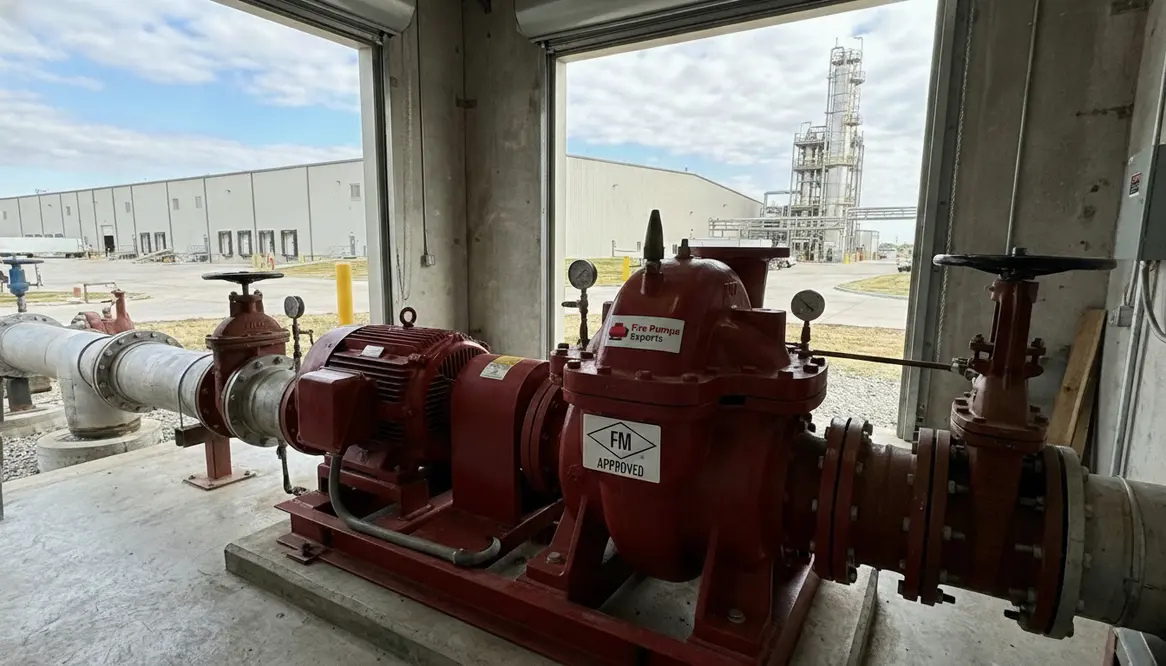
FM Approved Fire Pumps for Global Facilities Guide
FM Approved Fire Pumps for Global Facilities
When I talk about FM Approved fire pumps, I am not talking about a nice extra on the spec sheet. I am talking about a system that can stand up when pressure drops and time gets short. For commercial towers, industrial plants, and major property buildings across the globe, that matters. A lot. In fire protection, drama is not helpful, but reliability is. So, if a pump needs to perform like the hero in a summer blockbuster, this is the part where it does not miss its cue.
In this guide, I will walk through what makes these pumps so important, how they support large facilities, and what I look for when matching a pump to a site. Along the way, I will keep it practical, clear, and useful for teams managing serious properties, because safety should feel solid, not mysterious.
Why I Trust FM Approved Fire Pumps for Large Sites
I trust FM Approved Fire Pumps for Global Facilities because approval signals tested performance under demanding conditions. That matters in high rise buildings, logistics hubs, manufacturing plants, refineries, and large campuses where water supply can vary. If the system fails, the consequences do not politely wait for business hours.
FM approval also helps me narrow the field. Instead of sorting through a jungle of options, I can focus on pumps built for dependable fire protection use. As a result, I spend less time guessing and more time matching the right equipment to the right risk. And yes, that is a relief. Nobody wants a fire pump selection process that feels like a scavenger hunt written by a stressed committee.
What I Look for in a Global Facility Pump Setup
When I evaluate a site, I start with the water supply, the building size, and the hazard level. Then I look at demand. A pump for a distribution center will not always fit a heavy industrial site, and a mixed use tower brings its own pressure needs. So, I focus on the full picture, not just horsepower.
Here is the short version of what matters most:
- Water source strength so the pump can support the system when demand rises
- Pressure needs for tall buildings and long pipe runs
- Site risk including occupancy, storage, and process exposure
- System fit with sprinklers, standpipes, and related fire protection equipment
- Maintenance access because a pump nobody can service becomes a fancy paperweight
Also, I always think about how the site operates day to day. A plant may run around the clock, while a commercial property may have peak and quiet periods. That affects maintenance planning, inspection timing, and overall readiness.
How I Match Pump Type to the Facility
Here is where the selection gets real. I do not treat every facility the same, because global properties face different codes, climates, utilities, and operating schedules. For example, a large warehouse may need a setup that supports wide coverage and quick response. Meanwhile, a tall office tower may need more pressure support to reach upper floors. Different building, different playbook.
I often compare pump choices using a simple dual view:
| Facility Need | What I Prioritize |
| High rise commercial building | Pressure stability and dependable vertical delivery |
| Industrial plant | Durability, load handling, and system consistency |
| Large warehouse or logistics hub | Coverage, response speed, and practical maintenance access |
| Major mixed use property | Balanced performance across varied occupancy zones |
Because of that, I look at the site as a living system. I do not just choose a pump. I choose a fit. That difference saves headaches later, and it keeps the fire protection plan aligned with real building needs instead of wishful thinking.
Why Compliance and Service Matter More Than Flash
Compliance that actually means something
People sometimes get distracted by shiny equipment. I get it. The brain loves a polished surface. But fire protection rewards substance, not style. For FM Approved fire pumps, compliance helps show the system meets a trusted standard. That gives building owners, facility managers, and engineers more confidence when they plan for inspections and long term use.
Service that keeps pumps ready
Service matters just as much. A strong pump still needs checks, testing, and proper care. If I ignore maintenance, even a top tier system can drift from ready to risky. So, I always push for a plan that covers regular review, testing, and quick access to support when needed. In large properties, that is not optional. It is the difference between control and chaos.
Where I See the Biggest Value for Global Facilities
I see the greatest value in sites that cannot afford slow response or weak water delivery. Think airports, malls, data centers, manufacturing complexes, and large commercial towers. These places carry high asset value and high operational pressure. Therefore, the fire pump must hold steady under stress.
FM approved systems also help global teams work with a common standard. That is useful when properties span regions and regulations vary. It creates a shared baseline, which makes planning easier and conversations less messy. And honestly, any process that reduces meetings about meetings deserves a medal.
When global portfolios lean on FM Approved fire pumps, they gain more than hardware. They get a shared language for risk, performance, and readiness that works across borders and building types.
FAQ
Final Thoughts and Next Step
If you manage a commercial or industrial property, I recommend taking a close look at your fire pump strategy now, not after a problem shows up. FM Approved fire pumps give you a strong path toward dependable protection, better planning, and greater confidence across global facilities. If you want a system built for serious property needs, connect with a trusted fire protection partner and review your site requirements today.