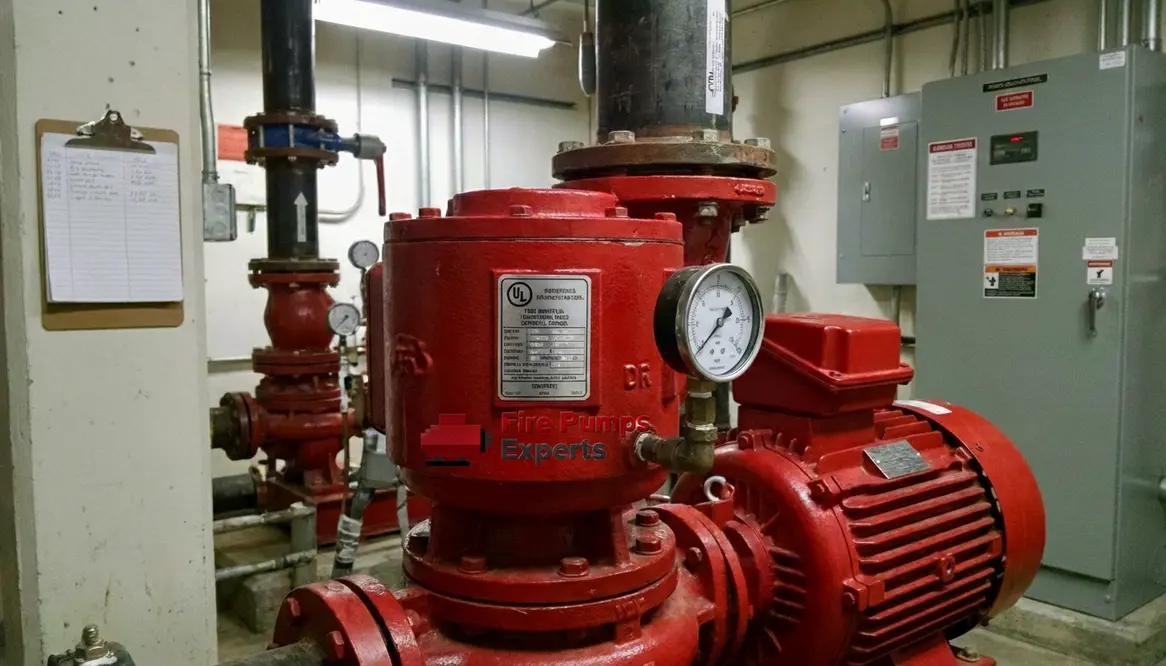
UL Listed Fire Pump Compliance for Building Owners
I have learned that UL compliance is not just a label on a piece of equipment. It is a line in the sand. For building owners of commercial, industrial, and major property buildings, it tells me the fire pump can do its job when the pressure drops and the heat rises. That matters because, in the real world, fire protection does not care about wishful thinking. It only cares about performance. And yes, the paperwork may feel like the boring cousin at the family reunion, but it keeps everyone safer.
What UL Listed Fire Pump Compliance Means for My Building
When I talk about a UL listed fire pump, I am talking about equipment that has been tested to meet strict safety and performance standards. In plain terms, the pump must prove it can move water the way it should during a fire emergency. For me, that means less guesswork and more confidence.
UL compliance matters most in large buildings where water demand can jump fast. Industrial plants, warehouses, office towers, and major facilities often need reliable fire flow over long distances and through complex systems. If a pump fails there, the whole protection plan starts to wobble like a bad sequel nobody asked for.
That is why I treat UL listing as more than a box to check. It helps me confirm the system was built for serious work, not just to look impressive in a mechanical room.
How I Check UL Compliance Before Purchase
Before I buy or approve a pump, I look at the listing documents, model details, and equipment labels. I want proof that the exact pump, motor, controller, and accessories match the approved configuration. Small changes can matter. In fact, one swapped part can pull the whole setup away from compliance faster than a plot twist in a season finale.
Here is the simple path I use:
- Confirm the pump is listed for fire service use
- Check that the controller and driver match the listed setup
- Review the pump curve against the building demand
- Verify the installer follows the approved design
- Keep all submittals and test records in one place
I also make sure the installation team understands the site conditions. For example, water supply, room size, ventilation, and power source all affect real performance. So, I never assume that a listed pump alone solves everything. It gives me a strong starting point, but it still needs the right support around it.
Why UL Compliance Protects My Commercial Property
For a building owner, the real value of UL compliance shows up in risk control. First, it supports life safety. Then, it protects assets, business continuity, and insurance standing. That is a lot of responsibility for one pump, but fire protection has never been a casual hobby.
Moreover, a compliant fire pump helps reduce the chance of costly system failures during inspections or emergencies. When I keep my equipment aligned with recognized standards, I lower the odds of surprise repairs, failed tests, and frantic calls from tenants who suddenly become very interested in the mechanical room.
It also helps me plan with more accuracy. If I own or manage a major building, I need systems that work the same way today, next year, and during a real event. UL listed equipment gives me that consistency. And consistency, in this business, is worth its weight in gold.
In practical terms, keeping a sharp eye on UL compliance also keeps me in step with code officials and AHJs who expect documented performance. When inspections come around, I would rather talk about steady records and solid test results than scramble to explain why a critical pump fell short when it mattered.
UL Compliance Maintenance Steps I Never Skip
Once the pump is installed, my job is not done. Compliance depends on upkeep, testing, and documentation. So I stay on top of the basics. I inspect the pump room regularly, watch for leaks, test controls, and make sure the alarm signals work as designed.
I also keep an eye on these areas:
| Area | What I check |
| Power | Source stability, transfer equipment, and backup readiness |
| Water supply | Pressure, flow, and any changes in demand |
| Controls | Start, stop, signal response, and condition of wiring |
| Records | Test logs, service notes, and repair history |
When I find a problem, I act fast. A minor issue can become a major one if I let it sit. So, I treat each test like a scene in a good crime drama: follow the clues, respect the evidence, and do not ignore the obvious.
I also recommend using a trusted resource like commercial fire pump compliance guidance when reviewing system expectations for large properties. It helps me stay focused on what matters for industrial and commercial sites and keeps my UL compliance checks grounded in current expectations rather than outdated habits.
What Building Owners Ask Me Most About UL Listed Systems
Do I need a UL listed fire pump for every building?
I focus on major commercial and industrial buildings where fire protection demand is high. Smaller properties may not require a listed fire pump, but whenever the stakes rise for life safety or business continuity, I want UL compliance on my side.
Can I mix listed and unlisted parts?
No. I keep the full system aligned with the listed configuration. Mixing listed and unlisted parts can quietly break UL compliance and leave the system in a gray area during inspections or, worse, during an actual emergency.
How often should I test the pump?
I follow the required inspection and test schedule for the property. That usually includes weekly or monthly runs and annual flow testing, all documented so the trail of UL compliance is clear and easy to prove.
Does UL compliance help with insurance?
Yes, it can support underwriting, claims confidence, and risk control. Insurers like predictable performance, and a well-documented, UL listed fire pump is one of the best ways I know to show that the building is taking protection seriously.
Who should review the system?
I use qualified fire protection professionals who understand fire pump standards. Having the right people review the system keeps UL compliance from becoming guesswork and turns it into a repeatable process.
What is the biggest compliance mistake?
Skipping documentation or making unapproved changes after installation. A pump can start its life fully compliant and quietly drift away from UL compliance over time if parts are swapped, settings are changed, or tests are skipped without anyone writing it down.
How I Keep My UL Compliance Plan on Track
I keep my plan simple, steady, and documented. First, I verify the pump system before purchase. Next, I confirm the installation matches the listing. Then, I schedule regular testing and maintenance so the system stays ready. Finally, I keep records where I can find them without a treasure map.
For building owners, that rhythm creates peace of mind. It also protects the property, supports code readiness, and reduces the chance of costly surprises. In the end, UL compliance is not about filling a folder. It is about making sure a fire pump does its job when the pressure rises and the seconds start counting. If you manage a commercial, industrial, or major property building, now is the time to review your system and make sure it stands ready.
Conclusion
UL listed fire pump compliance for building owners is not a marketing slogan or a shiny badge on a control panel. It is a commitment to performance when conditions are at their worst. By choosing listed equipment, matching every component to the approved configuration, maintaining the system with care, and documenting each step, I give that pump the best chance to do its work when people and property are depending on it most. In a world full of moving parts and unpredictable events, UL compliance is one of the few tools that lets me turn uncertainty into something closer to control.