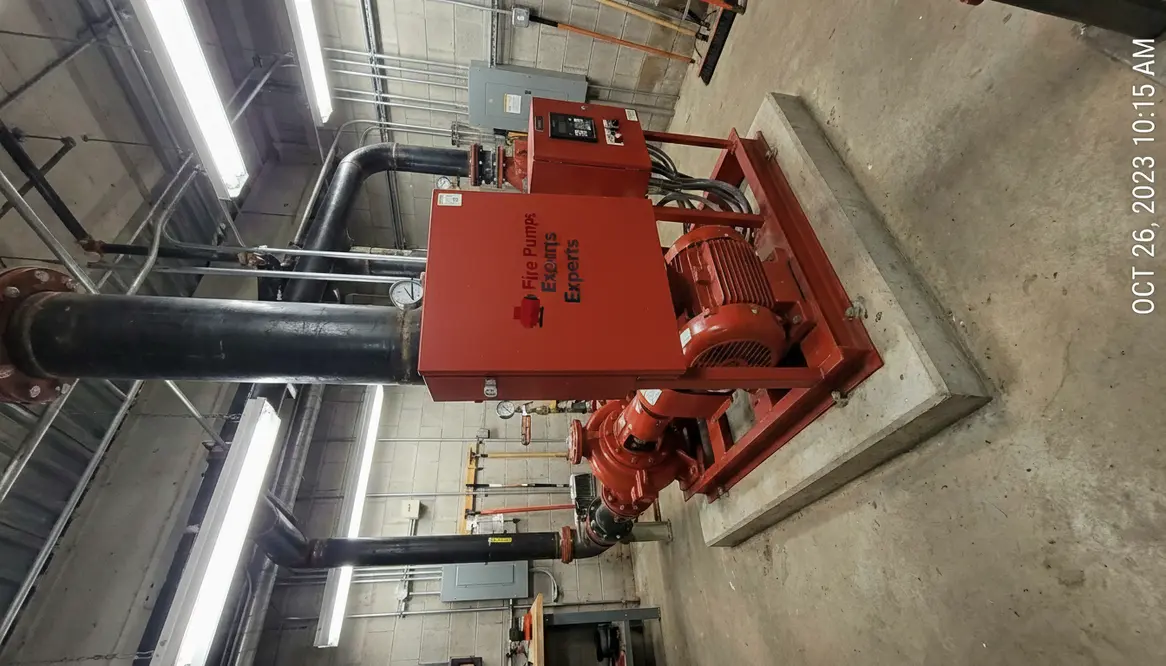
UL FM Fire Pump Requirements for Commercial Buildings
How commercial fire pumps quietly stand between a small scare and a full-scale disaster, and what it really takes to make them perform when the building needs them most.
UL FM Fire Pump Set Requirements for Commercial Buildings may sound like a dry topic, but in real life it is the quiet hero standing between a small scare and a full scale disaster. I have seen how a well planned fire pump set can keep a commercial building protected when the main water supply cannot keep up. And yes, this is the part where the boring equipment turns into the main character, like a supporting actor suddenly getting the Marvel spin off. In this article, I will walk through the core requirements, the setup details, and the checks that matter most for major commercial properties.
UL FM commercial fire pump basics I check first
When I review a UL/FM commercial fire pump set, I start with the basics. First, the pump must match the building demand, because a pump that is too small will fail under pressure, while one that is too large can create avoidable stress on the system. Next, I look at the listing and approval status. UL and FM approval tells me the equipment meets strict safety and performance standards for commercial and industrial use.
I also confirm the pump type, since the project may need a horizontal split case pump, a vertical turbine pump, or a end suction pump. Each one fits a different water source and building layout. For example, if a property has a weak underground supply, I will usually look harder at the water source before picking the pump. That step matters, because a fire pump cannot perform magic. It can only work with the water it gets.
In addition, I check the driver choice. The set may use an electric motor, a diesel engine, or in some cases both as backup options. The right choice depends on power reliability, site risk, and code needs. As a result, the first job is always to match the fire pump set to the real conditions of the building, not the wishful thinking of the project team after too much coffee.
How I size a UL FM fire pump set for commercial buildings
Sizing is where many projects win or lose. I begin with the required flow and pressure for the building’s fire protection system. Then I review the sprinkler demand, standpipe demand, and any special hazard needs inside the property. Commercial buildings do not all behave the same, and a major office tower does not play by the same rules as a large warehouse or mixed use facility. Getting UL/FM commercial sizing right means reading the building and the water supply honestly, not optimistically.
Core checks before locking in pump size
What I review
- Required water flow
- Required pressure at the most remote point
- Water supply test results
- Pipe friction loss
- Elevation differences
- Backup power or fuel support
Why it matters
Each of these items nudges the final pump selection. A UL/FM commercial pump that ignores elevation or friction loss might look perfect on paper and then stumble the moment the sprinklers open up on the top floor.
Furthermore, I make sure the pump curve fits the system demand. If the pump curve misses the target, the system may never reach proper pressure during a fire event. That is not the kind of surprise anyone wants. I also confirm that the pump room can handle the set, because access, drainage, heat, and ventilation all matter. A fire pump room should not feel like a forgotten basement scene from a horror movie.
UL FM commercial installation details that protect performance
Foundation and piping
Installation quality often decides whether the pump works as intended. I always look at the foundation first. The pump set needs a stable base, correct anchoring, and proper alignment. If the base shifts, the system can vibrate, wear out, or fail early. Then I check suction and discharge piping. These lines must follow approved layout rules, and they should avoid sharp turns, poor support, and unnecessary strain on the pump.
Controls, power, and room environment
In addition, I verify the controller placement and wiring. The controller must stay easy to reach, protected from damage, and connected to reliable power. For diesel driven sets, I also check fuel supply, battery backup, and engine ventilation. Each part supports the next one, so a weak link can affect the whole chain.
For commercial and industrial facilities, the room environment matters too. I look for safe temperatures, good drainage, and enough space for maintenance. I also check that the system allows easy inspection. After all, a pump that looks great on paper but hides behind poor access is not a win. It is just expensive furniture with a pressure gauge.
Inspection, testing, and compliance for UL FM commercial systems
Testing is where theory meets reality. I expect regular inspection and weekly, monthly, and annual checks depending on the system setup and local code requirements. During testing, I confirm that the pump starts correctly, reaches proper pressure, and runs without unusual noise, heat, or vibration. I also verify the alarms, controllers, and transfer functions when the system includes electric power support.
Moreover, I watch for signs of wear such as leakage, corrosion, loose fittings, or poor suction conditions. These small issues often grow into larger failures if no one acts early. That is why compliance is not just about passing a checklist. It is about protecting a major property every single day with a UL/FM commercial setup that is treated like critical life safety equipment, not background noise.
For deeper guidance, I recommend using trusted industry resources such as the UL FM fire pump resource center when planning for commercial and industrial facilities. It helps keep the focus on the right building types and the right standards. That is the whole game, really. No drama, no guesswork, just solid protection from a UL/FM commercial system that has been thought through from pump curve to final test.
FAQ about UL FM commercial fire pump sets
These are the questions that usually come up once the conversation moves from “do we have a pump?” to “is this UL/FM commercial setup actually ready for a real fire?”
Conclusion
If you manage a commercial or industrial property, now is the right time to review your fire pump set with care. I can help you check sizing, listing, installation, and testing so your building stays ready when it matters most. Do not wait for a problem to become a headline. Reach out now, get the system reviewed, and make sure your UL FM fire pump set is built to protect the people and property inside your building.