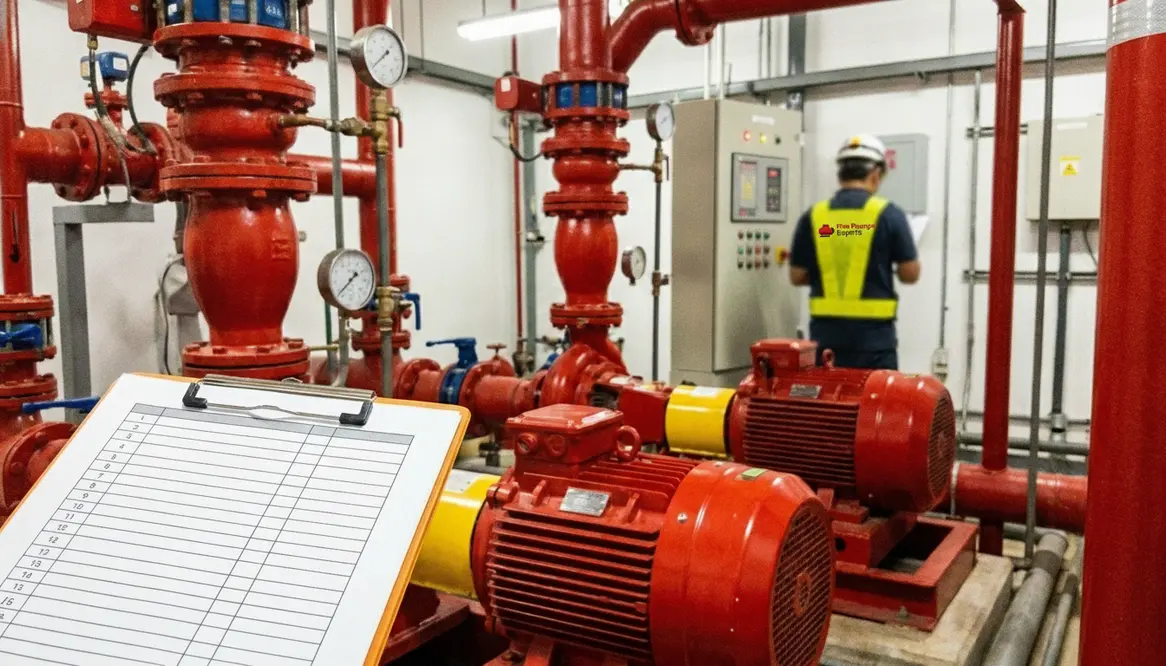
ISO Fire Pump Standards and Global Compliance Guide
ISO Fire Pump Standards and Global Compliance Explained
When I talk about fire protection in commercial and industrial facilities, I start with one simple truth: ISO compliance is not a box to tick and forget. It shapes how fire pumps perform when the pressure rises, the stakes get real, and nobody wants to play hero with a garden hose. In major property buildings, factories, warehouses, and other large sites, the fire pump sits at the heart of the system. It must deliver reliable water flow, meet local rules, and align with global standards. That mix can sound dry, yet it is the difference between order and chaos. And chaos, as we all know, does not read manuals.
Across large facilities, ISO fire pump standards act like a common rulebook everyone can point to when decisions get tough. Whether you are justifying capital spend, planning a retrofit, or facing a tough insurance review, a clear path to ISO compliance keeps the conversation grounded in facts instead of opinions.
What ISO Fire Pump Standards Mean for Large Facilities
ISO fire pump standards set a common baseline for safety, performance, and testing. I see them as the shared language that helps owners, engineers, and inspectors agree on what “good” looks like. For commercial and industrial properties, this matters because fire risk changes with building size, occupancy, fuel load, and process use.
In plain terms, the standards guide how a pump should:
- start quickly and work under stress
- maintain the right pressure and flow
- handle routine testing without falling apart like a bad movie sequel
- support long term reliability in harsh settings
Why a common standard matters
Just as important, ISO alignment helps teams compare equipment across borders. That matters a lot when a company runs facilities in more than one country. I have seen projects stall because one site followed a local rule, another used a different standard, and nobody agreed on what the pump should do. Standards solve that mess before it starts.
When you wrap your fire pump decisions around ISO compliance instead of vendor hype or guesswork, you gain a framework that travels with you from project to project and from country to country.
How I Match Global Compliance to Local Fire Rules
Building on a solid base
Global compliance does not mean one single rule works everywhere. Instead, I treat ISO as the base layer, then I check local codes, insurance rules, and authority requirements. That approach keeps the system legal, practical, and ready for inspection.
The review process I follow
- review the building type and fire load
- confirm the required water demand and pressure
- compare ISO guidance with national and municipal codes
- check pump room layout, power source, and water supply
- document the test and maintenance plan
Because rules change by region, I never assume a pump that works in one market will pass in another. For example, a facility in Europe may face different certification steps than a site in Asia or the Middle East. However, the logic stays the same: the pump must protect people, property, and operations without drama. And yes, fire protection should never feel like a surprise guest at a wedding.
Handled this way, ISO compliance stops feeling like a burden and starts working as a practical roadmap that keeps everyone aligned, from design engineers to local inspectors.
Why Testing and Documentation Matter More Than Fancy Equipment
Some people think the best pump is the one with the sleekest specs. I do not. I trust the pump that proves itself in testing and leaves a clean paper trail. In fire protection, documentation is not paperwork for the shelf. It is proof that the system can work under pressure and that the owner can show compliance when needed.
Regular testing helps me confirm:
- pump performance under real operating conditions
- controller response and power transfer
- suction and discharge stability
- signs of wear, leaks, vibration, or heat issues
Testing as long-term insurance
Moreover, testing supports long term asset care. If a pump starts to drift, I want to catch it early. That saves money, reduces downtime, and keeps the site ready. A fire pump is not a luxury item. It is a working machine with a serious job, and it should be treated like one.
Key compliance checkpoints
| Compliance area | What I check |
| Performance | Flow, pressure, and starting behavior |
| Installation | Room access, piping, power, and water source |
| Maintenance | Testing records, service intervals, and repairs |
| Audit readiness | Certificates, logs, and inspection reports |
What I Look For in a Fire Pump Supplier
When I advise commercial and industrial clients, I look for more than equipment sales. I look for technical depth, service support, and clear guidance on ISO compliance and local rules. A good supplier helps me bridge the gap between engineering design and real world use.
Questions I always ask
- Does the supplier understand large property buildings and industrial risk?
- Can they support international projects with local compliance needs?
- Do they provide testing, commissioning, and maintenance help?
- Can they explain the standards without turning the meeting into alphabet soup?
For teams that want deeper support, I also recommend reviewing a trusted resource like the fire pump compliance resource for commercial and industrial facilities. That kind of reference can help decision makers stay focused on the right category of properties and avoid wasting time on systems that do not fit their scale.
When a supplier can speak clearly about ISO compliance, local approval, and ongoing service in one conversation, I know they are thinking beyond the sale and toward the full life of the system.
How I Keep ISO Compliance Simple and Practical
I keep the process simple by breaking it into three parts: design, verification, and upkeep. First, I make sure the pump suits the building and the fire demand. Next, I verify that it meets the required standard and local code. Then I build a maintenance plan that keeps the system ready year after year.
Turning rules into routine
This approach works because it turns compliance into a routine, not a crisis. Also, it helps facility teams talk to engineers, inspectors, and insurers with confidence. Nobody wants a fire pump discussion to feel like a courtroom scene from a prestige drama.
When you approach ISO compliance this way, you end up with a system that is predictable to operate, straightforward to audit, and easier to justify in every budget cycle.
FAQs
Conclusion
If you manage a commercial or industrial facility, I urge you to treat fire pump standards as part of core risk control, not a side note. The right compliance plan protects people, limits damage, and keeps operations moving when the heat is on. So, if you need clear guidance on ISO alignment, testing, and global compliance for major properties, take the next step now and make your fire protection system as strong as the buildings it serves.