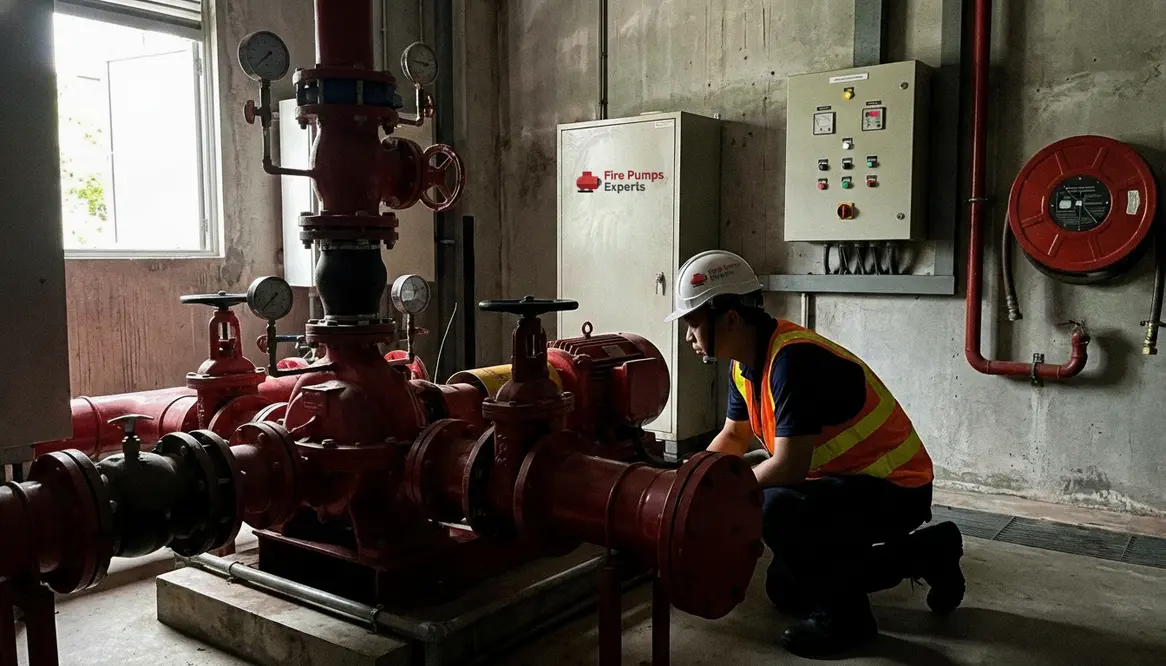
Singapore Fire Pump Requirements for Industrial Sites
When I talk about Singapore Fire Pump Requirements for Industrial Facilities, I am talking about the backbone of a serious fire protection plan. In my world, fire pump standards do not sit in the corner looking pretty like a prop in a superhero movie. They keep water moving when a fire alarm says, “Well, this just got real.” For industrial sites, warehouses, plants, and major property buildings, the rules are not optional. They shape how I size, install, test, and maintain fire pumps so the system works when people need it most.
And yes, I know compliance can feel like paperwork wearing steel boots. Still, the stakes are clear. If the pump fails, the entire suppression system can stumble. That is why I focus on the practical side of these requirements, not just the code language.
What Singapore expects from industrial fire pumps
For industrial facilities in Singapore, I look at fire pump requirements as part of a bigger life safety system. The pump must deliver enough pressure and flow to support sprinklers, hydrants, hose reels, and other fire fighting equipment. In practice, that means the pump must match the building risk, the water demand, and the layout of the site.
In most cases, the system includes a main fire pump, a standby or backup pump where required, and a jockey pump to keep pressure stable. The jockey pump handles small pressure drops so the main pump does not kick in every time someone sneezes near a pipe. That saves wear, reduces false starts, and keeps the system calmer than a monk on holiday.
More importantly, industrial sites often have special hazards. I look at machinery areas, fuel storage, high rack storage, production lines, and wide floor plates. Each one can affect the pump design and water supply need. So, the requirements are never one size fits all.
Fire pump standards and system design
Here is where I get practical. Fire pump standards guide the whole design path, from water source to pump room layout. I make sure the pump can pull from a reliable supply, whether that comes from a tank, reservoir, or approved water source. Then I check the pump curve, the discharge pressure, and the demand at the farthest point in the system.
Also, the pump room itself matters. It should stay accessible, dry, secure, and easy to inspect. A cramped pump room is like trying to tune a grand piano inside a lift. It may be possible, but nobody enjoys the process. I also make sure the electrical and diesel driven options follow the site risk and backup needs.
In Singapore, industrial and major property buildings usually need careful coordination with the relevant fire safety rules and local approval process. So, I do not just look at the pump in isolation. I look at the whole setup, because the best pump in the world will not save a system with bad piping or poor water supply. When fire pump standards are integrated with piping design, water storage, and control logic, the result is a system that behaves under stress instead of falling apart on the first tough call.
How I check compliance for industrial facilities
Starting with risk, demand, and pump performance
I start with the building use, fire load, and system demand. Then I review the pump capacity against the design requirement. After that, I check if the pump can maintain pressure under real conditions, not just on paper where everything always behaves nicely.
Key checkpoints I focus on
- water storage capacity and refill support
- pump starting method and fail safe setup
- control panel status and alarm signals
- suction conditions and pipe sizing
- weekly, monthly, and annual testing plans
These checks help me catch weak points early. Furthermore, they support smooth inspections and reduce surprise failures. Nobody wants a pump discovery moment during an emergency. That kind of plot twist belongs on streaming platforms, not in fire protection.
Why maintenance keeps fire pump standards alive
Compliance does not end after installation. In fact, maintenance is where many systems prove their worth. I inspect pumps regularly because seals wear out, batteries age, valves stick, and diesel engines decide they have their own opinions. With steady testing, I can spot pressure loss, vibration, overheating, or strange startup behavior before it turns into a bigger problem.
Routine testing also gives facility teams confidence. When I see clear test logs, correct pressure readings, and prompt repairs, I know the system has a fighting chance under stress. On the other hand, if records look thin, I start asking more questions than a detective in the final ten minutes of a crime show.
Design and maintenance at a glance
Design focus
- Match pump capacity to demand
- Check water source reliability
- Confirm pipe and valve sizing
Maintenance focus
- Test pump start and run function
- Review pressure and flow results
- Repair issues without delay
Common mistakes I try to avoid
I often see industrial sites make the same few mistakes. First, they size the pump for the current layout but forget future expansion. That can create trouble fast. Second, they treat the pump room like storage space, which is a bad idea with a capital B. Third, they skip testing until an inspection is near, then everyone rushes like it is the last train home.
I also see confusion between the pump and the rest of the fire system. The pump only works as part of a full chain. If the tank, valves, controllers, or piping fail, the pump cannot do magic. It is strong, yes, but it is not Doctor Strange.
That is why I keep pointing back to fire pump standards as the anchor. They set clear expectations for water supply, equipment rating, installation, and testing. When facilities follow them consistently, they avoid creative shortcuts that look clever on paper and disastrous in smoke. If you ever want a reference point, resources like https://firepumps.org and local fire safety guidelines make it easier to keep those standards front and center.
FAQ
Conclusion
When I evaluate Singapore Fire Pump Requirements for Industrial Facilities, I focus on performance, compliance, and long term reliability. Good fire pump standards protect people, property, and operations without drama. If you manage a commercial or industrial building, now is the time to review your pump design, testing, and maintenance plan. Do not wait for a fault to make the first move. Get the system checked, keep records tight, and make sure your fire protection works when it counts.