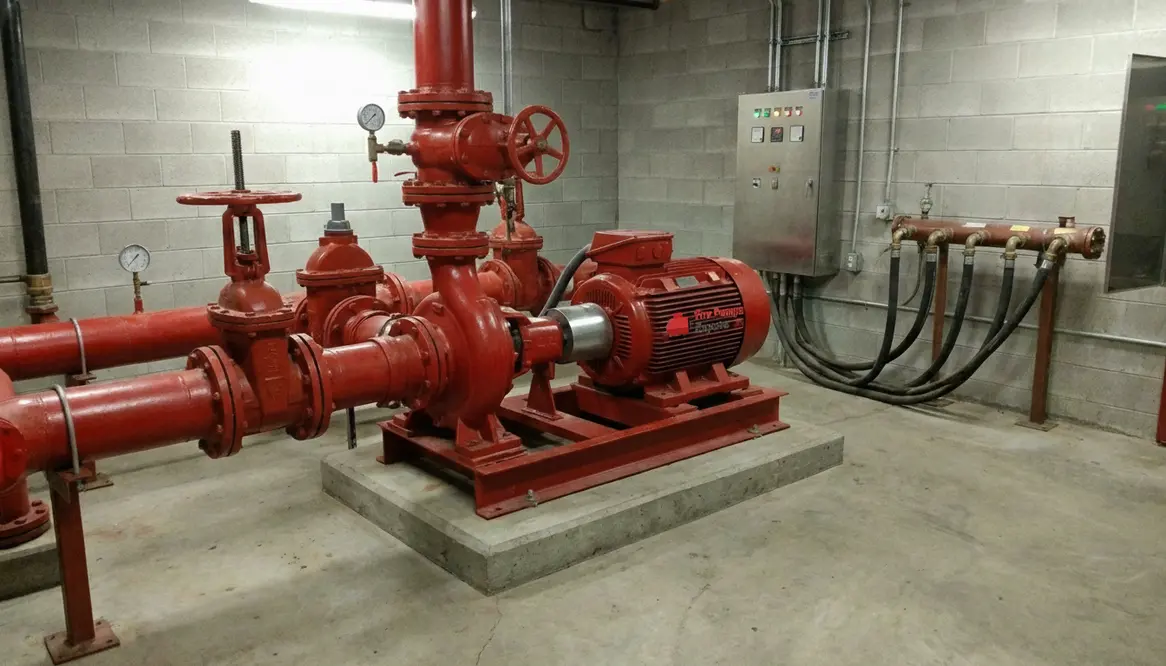
IS Fire Pump Standards Guide for Large Facilities
IS Fire Pump Standards Explained
When I talk about fire protection in a commercial or industrial building, I like to start with the part nobody sees until the day it matters most: the fire pump. That machine sits there like a quiet backstage crew member, ready to save the whole show when water pressure drops and the sprinkler system needs help. In this guide, I will break down IS fire pump standards in a clear way, so you can understand what they require, why they matter, and how they support major property buildings, plants, warehouses, and other large facilities. And yes, the rules can feel a little like the fine print on a streaming app, but unlike that, these standards actually help keep people and property safe.
What IS fire pump standards mean for large facilities
IS fire pump standards set the basic rules for how a fire pump should be designed, installed, tested, and maintained in a building that depends on a strong water supply for fire protection. I use these standards as a guide for commercial and industrial sites because those places often face higher fire risk, larger water demand, and more complex layouts. As a result, the pump must do more than simply turn on. It must deliver the right pressure, at the right time, under the right conditions.
In simple terms, these standards help me answer three questions: Is the pump sized correctly, will it start when needed, and can it keep performing during a real emergency? That may sound basic, but in fire protection, basic is beautiful. It is the difference between a system that works and a system that looks impressive on paper while doing very little in real life. I prefer the first one, and I suspect your insurance carrier does too.
How IS standards shape decisions in big buildings
For large facilities, IS standards act like a common language between designers, installers, inspectors, and insurers. When everyone works from the same playbook, the pump, the sprinklers, and the rest of the fire protection system are more likely to act as one coordinated system instead of a collection of parts that barely know each other.
How I review IS fire pump standards in a project
When I review IS fire pump standards for a project, I look at the entire fire protection setup, not just the pump itself. First, I check the water source. Then I look at demand, pressure loss, building height, pipe layout, and the type of hazard inside the facility. A warehouse full of stored goods does not have the same needs as a manufacturing plant with heavy equipment and process areas, so I never treat them like twins. They may share a zip code, but that is about it.
Next, I focus on pump selection. The standard requires the pump to match the system demand with enough margin to support fire sprinkler operation. I also check the controller, power supply, suction and discharge piping, test arrangements, and room conditions. If one part fails, the whole setup can stumble. Think of it like a band. If the drummer misses the cue, the concert gets awkward fast.
Key areas I check in every major facility
Here is a simple view of the main areas I review:
Two column view for quick reference
Left side
- Water source
- Pump size
- Power supply
- Controller type
Right side
- Pipe layout
- Test equipment
- Pump room access
- Maintenance plan
Why IS fire pump standards matter during design and installation
Design and installation are where good fire protection either takes shape or starts to wobble. I follow IS fire pump standards closely here because small mistakes can grow into costly problems. For example, poor suction piping can create flow issues. Inadequate room space can block access for repair. A weak power setup can leave the pump silent when the pressure drops. And in fire safety, silence is not the vibe we want.
These standards also push me to think about reliability. Therefore, I want the pump room to stay dry, accessible, and well ventilated. I want the control gear to be easy to reach. I want the test line to support regular checks without turning every inspection into a plumbing drama. Most of all, I want the system to work for the facility, not against it.
Big-picture impact on commercial and industrial sites
For large commercial and industrial properties, that matters even more. These buildings often hold critical operations, valuable inventory, and many people moving through them. So, when I apply the standards, I am not just following a checklist. I am protecting business continuity, safety, and peace of mind.
Used properly, IS standards become a planning tool, not just a compliance task. They guide equipment choices, room layout, access routes, and even how you plan future expansion so the pump is still up to the job when the facility grows.
How I handle testing, inspection, and upkeep
Testing and maintenance keep the fire pump honest. I never assume a system is ready just because it looks clean. Machines, much like people, can appear fine and still have issues. That is why IS fire pump standards call for regular inspection and performance checks. I verify starting pressure, flow performance, controller function, alarm signals, and any signs of wear or leakage.
Routine upkeep also helps me catch trouble early. I look for vibration, corrosion, loose fittings, and electrical faults. In addition, I make sure records stay current, because a solid paper trail helps prove the system has been cared for properly. Nobody gets excited about logs and reports, but they matter. They are the quiet evidence that the pump has not been ignored like an old gym membership.
Keeping IS standards aligned with real-world changes
For facility teams, I recommend a clear schedule, trained staff, and prompt repairs. If something changes in the building, such as storage layout, water supply, or system demand, I revisit the design assumptions. Fire protection should move with the building, not lag behind it like an outdated sequel.
When I suggest expert help for IS standards
I suggest expert help whenever a facility plans a new system, upgrades an old one, or struggles to meet code and performance needs. Fire pump design is technical, and the details matter. A small error in sizing, piping, or power can create a big headache later. So, I prefer to bring in experienced support early, especially for major property buildings and industrial sites where the stakes stay high.
If you want deeper guidance on fire pump care, standards, or compliance for large facilities, I recommend visiting firepumps.org for resources focused on commercial and industrial properties. It can help you make smarter choices before a problem turns into a full emergency story nobody wants to tell at a board meeting.
Using IS standards as a long-term roadmap
Over time, IS standards give you a roadmap to keep your fire pump strategy consistent, even as staff, tenants, or processes change. Instead of reinventing the wheel with every new project manager, you anchor decisions to requirements that are already tested and recognized.
FAQ
Conclusion
If you manage a commercial or industrial building, do not treat fire pump standards like background noise. I use them to keep systems dependable, compliant, and ready when pressure drops and seconds start to count. If you want a smarter path forward, review your current setup, compare it to the standard, and bring in expert support where needed. The right fire pump plan protects people, property, and the business you have worked so hard to build.