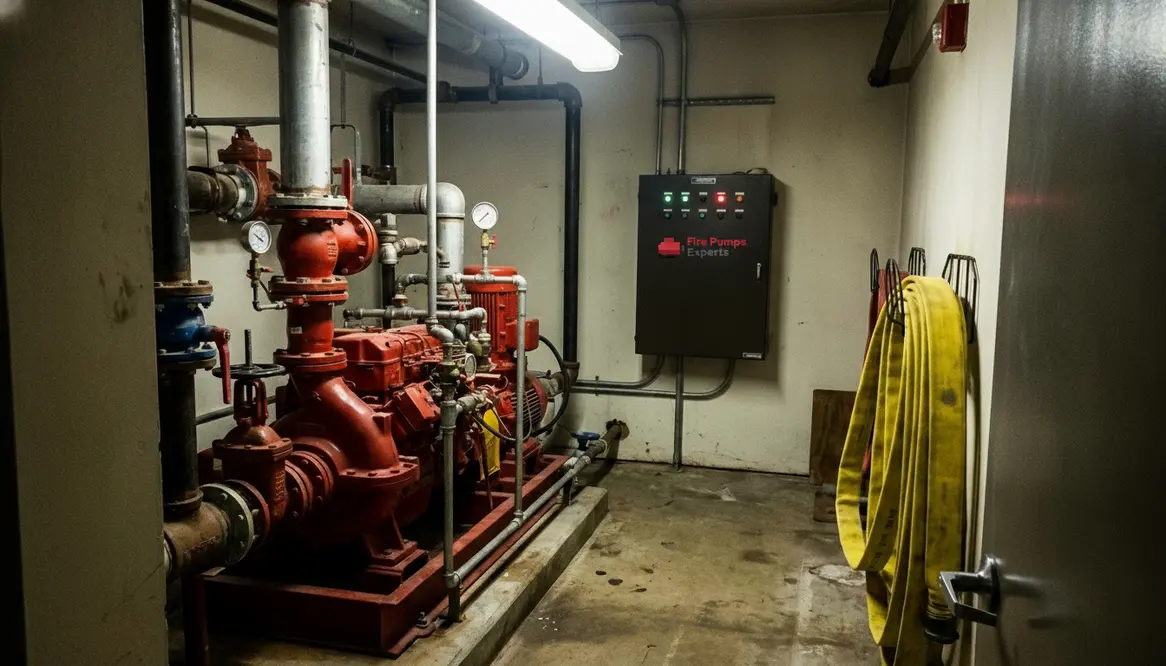
IS 12469 Fire Pump Selection Guide for Buildings
When I talk about fire protection for commercial and industrial buildings, I do not treat pump choice like a side quest. I treat it like the main story. In this IS 12469 selection guide, I will walk through how I choose the right fire pump for major properties, because the wrong unit can turn a serious safety plan into expensive theater. And nobody wants that. For large facilities, the code, the water source, the building size, and the risk level all shape the final decision. So, let me keep this simple, useful, and business calm.
What IS 12469 Means for Fire Pump Choice
IS 12469 gives a clear path for selecting and setting up fire pumps for protected buildings. I use it as a design filter. First, I look at the building type, the hazard level, and the water demand. Then I check whether the system needs an electric pump, a diesel pump, or both. That matters because a warehouse, a plant, or a large office tower does not all behave the same during a fire event. In other words, the code helps me match the pump to the risk, not just the budget.
It also pushes me to think about reliability. A fire pump should start fast, deliver stable pressure, and keep working under stress. If it hesitates, the whole sprinkler and hydrant system can suffer. I like to say a fire pump should act like the best supporting actor in a film. It should show up on time, hit its marks, and never steal the scene unless things have gone very wrong.
How I Match the Pump to the Building Load
When I select a fire pump, I start with the site demand. That means I review the size of the building, the number of floors, the sprinkler load, the hydrant load, and the peak water need. I also study whether the property has high fuel risk, dense storage, or heavy machinery. Those details shape the pump capacity and pressure rating.
Here is the practical part. I want the pump to supply enough flow at the right pressure without wasting energy or overshooting the system. If the pressure is too low, water will not reach where it should. If it is too high, pipes and fittings take a beating. So, I look for balance. That balance keeps the system safe and easier to maintain.
Fire Pump Selection Factors I Check First
Before I lock in a model, I review a short list of key points:
- Water source strength and stability
- Required flow and pressure for the full system
- Type of pump room and its access
- Power supply availability and backup plan
- Site risk level and occupancy type
- Maintenance access for the long term
These items matter because a pump is only as good as the system around it. I can pick a strong pump, but if the water tank is undersized or the power backup fails, the whole setup starts acting like a phone with 2 percent battery during a storm. Not ideal.
Which Pump Type Fits Your Facility
Dual Column Guide for Facility Owners and Managers
Electric Fire Pump
Best when the site has a strong, stable power supply and a reliable backup source.
Quiet, clean, and easy to run in many commercial settings.
Diesel Fire Pump
Best when power cuts are likely or when the site needs a hard backup option.
Useful for industrial plants and large properties that need extra independence.
Jockey Pump
Helps hold system pressure and reduces false starts.
It does the small, steady work that keeps the main pump from waking up for every tiny pressure drop.
For many major buildings, I see a combined setup as the safest route. However, the final choice should always match the actual risk profile and design need. I never select by habit alone. That would be like casting the same superhero for every role. Fun, maybe. Smart, no.
IS 12469 Selection Checks for Compliance and Reliability
Compliance is not paperwork for the sake of paperwork. It is the map that keeps the system dependable. I always check that the pump curve matches the design demand. I also confirm that the controller, suction arrangement, and test lines support safe operation. Next, I look at the room layout, ventilation, and drainage. These parts often get ignored until trouble shows up, which is usually the least convenient moment possible.
I also think about service life. A good selection must support testing, inspection, and repair without major shutdowns. Because in commercial and industrial properties, downtime can cost more than the pump itself. So, I prefer a design that lets teams test the unit without turning the whole site into a work zone from a disaster movie.
IS 12469 selection principles tie directly into how reliable that future testing will be. When the pump, driver, controller, and pipework are chosen with those checks in mind, the system is calmer to live with, easier to certify, and less likely to throw surprises during routine inspections.
IS 12469 Selection In Real-World Planning
How it shapes your fire pump room
When I apply IS 12469 selection on real projects, it quickly moves beyond the pump nameplate. It affects where the pump set sits in the room, the clearances for technicians, the route of suction and discharge lines, and even simple things like where the control panel doors can swing without smashing into pipework. A code-aligned layout is not only safer during a fire; it is calmer during a midnight service call.
Why IS 12469 selection supports long-term value
A thoughtful IS 12469 selection approach also keeps life-cycle costs in check. Oversized pumps burn energy and shake the system. Undersized units limp through tests and age quickly. The sweet spot is a pump that hits its duty point cleanly, with room for test conditions and reasonable future changes to the building without forcing a full redesign.
FAQ
Conclusion
If you manage a commercial or industrial property, I urge you to treat IS 12469 selection as a core safety step, not a box to tick and forget. The right fire pump protects people, assets, and business continuity. It also gives you peace of mind, which is rare enough these days to deserve respect. If you need a proper selection review for a major property, now is the time to act and build a system that can stand up when it counts.
For deeper technical references on fire pump applications and best practices, you can explore resources at https://www.firepumps.org, then align those insights carefully with your own IS 12469 selection process for each building.