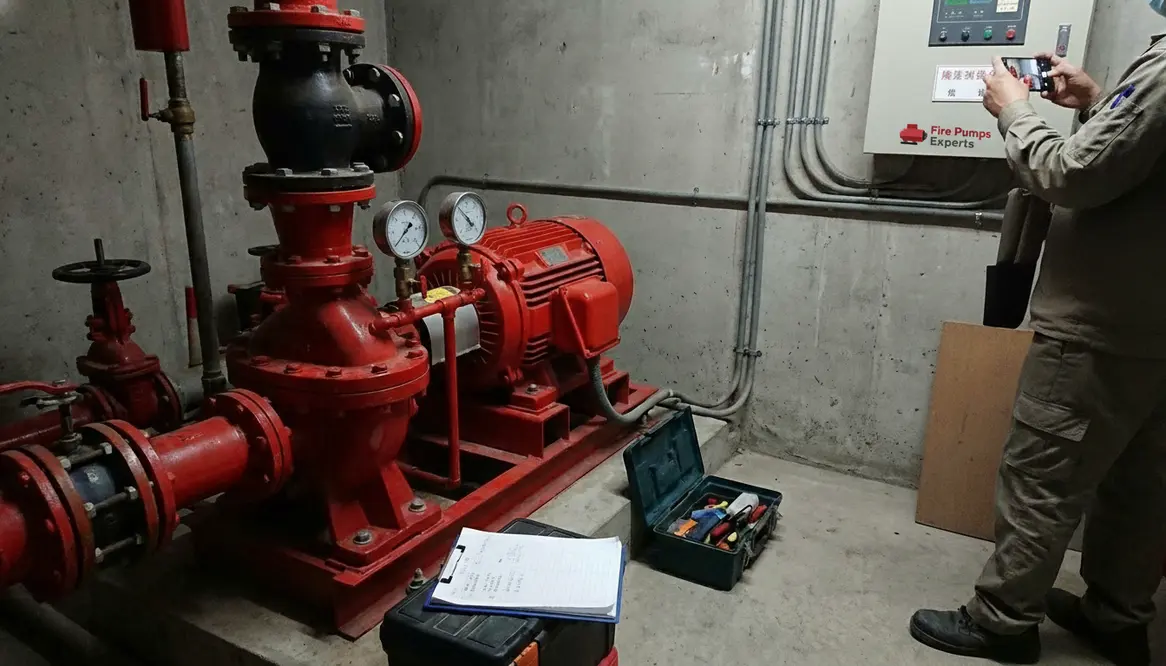
China Fire Pump Testing and Maintenance Guide
China Fire Pump Testing and Maintenance Guide for Commercial and Industrial Facilities
When I talk about China testing for fire pumps, I mean one thing: making sure the pump will do its job when the heat rises and nobody has time for drama. In a commercial tower, a factory, or a major property building, the fire pump is not decoration. It is the heartbeat of the fire protection system. And like any good heartbeat, it needs regular checks, steady care, and a little respect. I have seen too many systems sit quietly for years, only to fail at the worst moment. That is why I follow a clear testing and maintenance routine that keeps the equipment ready, reliable, and safe.
In this guide, I will walk through the exact steps I use for fire pump testing and upkeep in China based facilities, with a sharp focus on real world results. No fluff, no fancy smoke machine energy, just practical work that helps protect people, assets, and business continuity. Because when a fire pump fails, nobody says, “Well, that was charming.”
Why fire pump testing matters in commercial and industrial buildings
I test fire pumps because they must work under pressure, literally and legally. A pump can sit idle for long periods, and that still does not mean it is healthy. Seals wear down, valves shift, batteries weaken, and control panels can get moody like a villain in a space opera. Regular testing helps me catch these problems before they turn into expensive trouble.
For commercial and industrial sites, testing also supports code compliance, insurance needs, and safe operation. More importantly, it gives me confidence that the pump will supply the required water flow during an emergency. That matters in warehouses, plant rooms, office towers, logistics hubs, and large mixed use properties where fire risk can rise fast.
How I check a fire pump before testing
Before I start any test, I inspect the basics. I look at the pump room, the controller, suction and discharge valves, gauges, fuel supply if it is diesel, and the power source if it is electric. Then I confirm that the system is in normal operating mode. I also check for leaks, vibration, corrosion, loose parts, and strange noise. If I hear a sound that belongs in a horror movie, I stop and investigate.
Next, I review the logbook. Good records save time. They show trends, recurring faults, and past repairs. Then I make sure the test tools are ready. A proper setup helps me avoid false readings and wasted effort. After that, I can move into the actual performance check.
China testing step by step for fire pump performance
Here is the core process I follow during China testing of a fire pump system.
Dual column guide
What I check
- Start the pump under no flow conditions
- Confirm pressure rise, start time, and smooth operation
- Test the jockey pump first if present
- Make sure the main pump does not start too early
- Run the pump under flow
- Measure pressure, discharge, and stability
- Watch gauges and control panel
- Look for drops, spikes, or warning lights
- Listen and feel for vibration
- Catch worn bearings, cavitation, or mounting issues
- Check shutdown response
- Confirm the system returns to standby correctly
Why these checks matter
Each step confirms that the fire pump can respond fast, hold stable pressure, and return to standby without leaving the system in a risky state. This is where China testing separates theory from reality in commercial and industrial environments.
If any reading looks off, I do not assume it is just a “quirk.” I treat it as a clue, track it, and correct it before the system faces real world heat.
During flow testing, I compare results with the required design values. If the pump cannot meet pressure or flow targets, I know something needs attention right away. Sometimes the issue is simple, like a valve left in the wrong position. Other times, it is more serious, like an impeller problem or weak power supply. Either way, I do not guess. I verify.
What maintenance I perform after testing
Once the test ends, I do not just walk away like a sitcom character leaving a scene at the wrong moment. I perform maintenance based on the results. I tighten loose fittings, clear debris, inspect seals, and clean panel components. I also check lubrication points where needed and confirm battery condition for diesel units. If the pump room has poor airflow, I address it because heat can damage equipment over time.
I also look at the full system around the pump. That means suction tanks, headers, pressure switches, relief valves, and control wiring. A pump does not work alone. It depends on the whole chain, and one weak link can weaken the whole setup. In large facilities, I treat this as part of a bigger fire safety plan, not a one part fix.
How often I schedule tests and inspections
Routine frequencies
- Weekly checks to confirm basic readiness
- Monthly inspections to spot wear and control issues
- Scheduled full flow testing aligned with local rules and risk
Adjusting for site risk
For high demand industrial sites, I may recommend tighter intervals. For major commercial properties, I also account for occupancy, system size, and critical operations. A hospital style building and a storage facility do not face the same risks, so I adjust the plan. That is the difference between routine care and blind routine, and blind routine is how problems get promoted.
Choosing support for China testing and maintenance
For large commercial and industrial properties, I recommend working with a fire protection partner that understands both local regulations and real equipment behavior. That includes proper China testing procedures, detailed reporting, and clear follow up actions when results show drift from design performance.
If digital reporting is available, use it. Trend lines for pressure, flow, and start times tell you more than one heroic test ever will. Over time, you can see exactly when a pump starts losing its edge and schedule maintenance before the system needs emergency surgery. For reference resources, you can review materials from organizations such as https://firepumps.org alongside local standards to shape your on site program.
FAQ
Conclusion
If I want a fire pump to work when it matters most, I test it, maintain it, and document everything with care. That is the whole game. For commercial and industrial facilities, strong fire pump care protects people, property, and operations. If your site needs reliable China testing support, now is the time to act. Build a clear plan, review your system, and keep your fire protection ready for the moment it must perform.