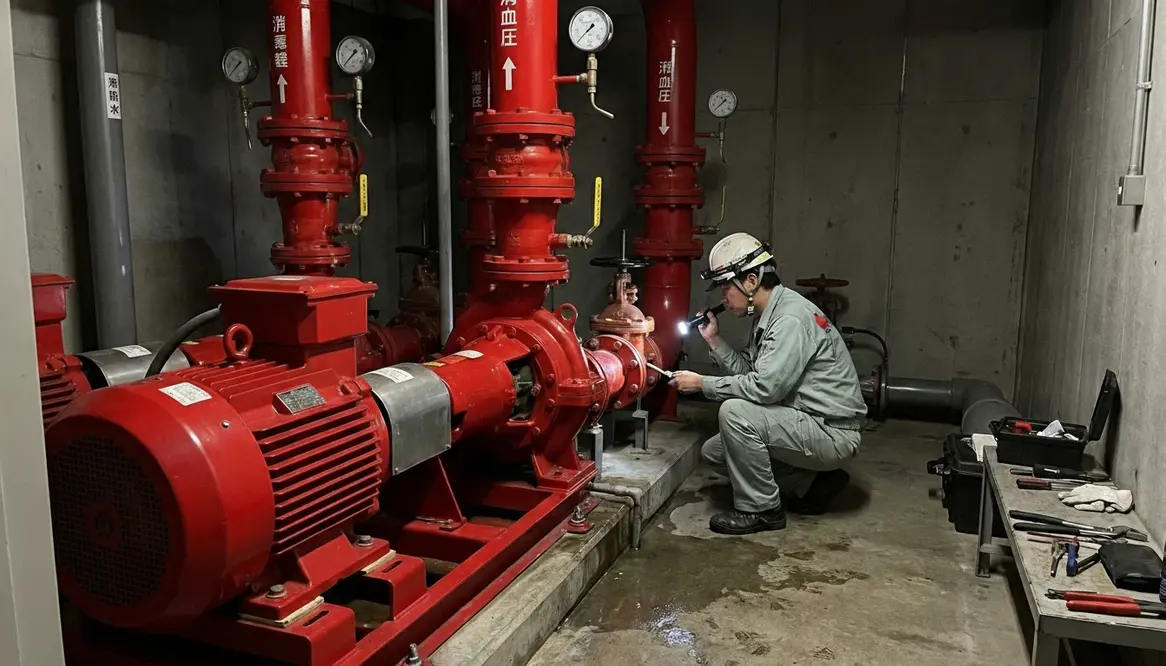
Japan Fire Pump Requirements for Commercial Builds
Japan Fire Pump Requirements Explained: what I check before a commercial or industrial build goes live
When I look at Japan fire pump requirements, I do not treat them like a dusty rulebook sitting on a shelf. I treat them like the backbone of fire protection for commercial and industrial properties. In Japan, fire pumps support sprinkler systems, hydrants, and other suppression setups that protect large buildings where risk can rise fast. And yes, this is the part where the serious stuff begins, because a weak pump in a factory or major property can turn a small problem into a headline nobody wants. So, I break the topic down in plain language and focus on what matters for real projects.
What I mean by Japan fire pump requirements
First, I need to be clear: Japan fire pump requirements are not just about buying a pump and calling it a day. They cover performance, installation, power supply, water source, testing, and maintenance. In commercial and industrial facilities, the pump must deliver enough pressure and flow when the system needs it most. That sounds simple, but the details matter. A pump that looks great on paper can still fail if the water tank is undersized or the electrical supply is weak. In other words, the system has to work as one team, not as a group chat with no plan.
Japan follows strict fire safety rules through national standards and local authority checks. Because of that, I always think in terms of compliance first and convenience second. The goal is not to impress people with shiny equipment. The goal is to make sure the pump starts fast, moves water properly, and keeps the fire system alive under pressure.
How I check the core system parts
When I review a project, I start with the basic parts that make the whole setup work. These parts decide whether the pump can do its job during an emergency.
- Water supply must support the required demand for the full design period.
- Pump capacity must match the building load and system type.
- Power source must stay reliable, with backup where the code calls for it.
- Controls and alarms must let staff see faults fast.
- Installation space must allow access for service and emergency use.
Then I look at the pump type. In many large properties, the setup may use electric, diesel, or other approved fire pump arrangements. Each one has tradeoffs. Electric pumps can offer clean operation, while diesel systems can help when the grid goes down. Still, the right answer depends on the building, the risk, and the approved design. There is no magic box here. If there were, every engineer would have retired and moved to a beach by now.
Also, I pay close attention to suction conditions and pipe sizing. Poor pipe layout can choke performance, and that is not something I ever want to discover during a fire drill. So, I check the whole chain from water source to discharge point.
Why Japan fire pump requirements matter for major buildings
Here, the logic gets very practical. Large commercial and industrial buildings often house more people, more fuel loads, and more expensive equipment. Because of that, fire pumps must support a system that can spread water fast and keep pressure stable across long distances. A warehouse, plant, or tower does not forgive weak design. It simply exposes it.
Japanese regulations place strong weight on reliability and testing. Therefore, I make sure the pump can start automatically, run smoothly, and alert the team when trouble appears. In many projects, this also means the system needs regular inspection records. No one wants a silent failure. Silent failures are the villain in every disaster movie, and in real life they do not even have good dialogue.
For owners and operators, this matters for more than compliance. It helps protect assets, reduces downtime, and supports insurance and safety planning. So, I never see fire pump design as a side task. I see it as a business safeguard with steel pipes.
Japan fire pump requirements in practice for design, testing, and upkeep
When I move from theory to practice, I focus on three things: design, testing, and upkeep. First, the design must fit the building hazard level and the system it supports. Second, the pump needs field testing to confirm pressure, flow, and start function. Third, maintenance must stay routine, because even top equipment can drift over time.
| Area | What I verify |
| Design | Correct pump size, water supply, and system match |
| Testing | Start up, flow rate, pressure, and alarm response |
| Upkeep | Inspection logs, parts condition, and repair timing |
Next, I look at the local approval path. In Japan, project teams often need to work with fire officials, engineers, and building managers to keep everything aligned. That process may feel slow, but it saves pain later. I would rather answer a few extra questions now than explain a failed pump after the fact. And trust me, that is a conversation nobody wants.
What I advise before you buy or upgrade a fire pump
If I am advising a facility team, I tell them to start with the building risk profile. Then I review the system demand, power backup, space, and maintenance access. After that, I compare the pump choice against Japan fire pump requirements and local approval needs. This keeps the project honest from day one.
I also suggest that teams think long term. A pump is not just a purchase. It is part of the building’s life safety plan. So, I look at parts availability, service access, and test records. If the site has a busy industrial process, I pay even more attention to redundancy and downtime risk. Because when production stops, money leaves the building faster than a superhero exit scene.
For deeper technical context on commercial fire pump support, resources such as https://firepumps.org can help you frame questions for your design and maintenance team and see how your system stacks up against Japan requirements in real-world conditions.
FAQ
Conclusion
If I had to sum it up, I would say Japan fire pump compliance is about more than equipment. It is about a complete, tested, and maintained system that protects people, property, and business continuity. So, if you manage a commercial or industrial site, take the time to review your setup now. I recommend working with a team that understands the code, the hardware, and the reality of major buildings. That is how you stay safe, stay ready, and stay open.