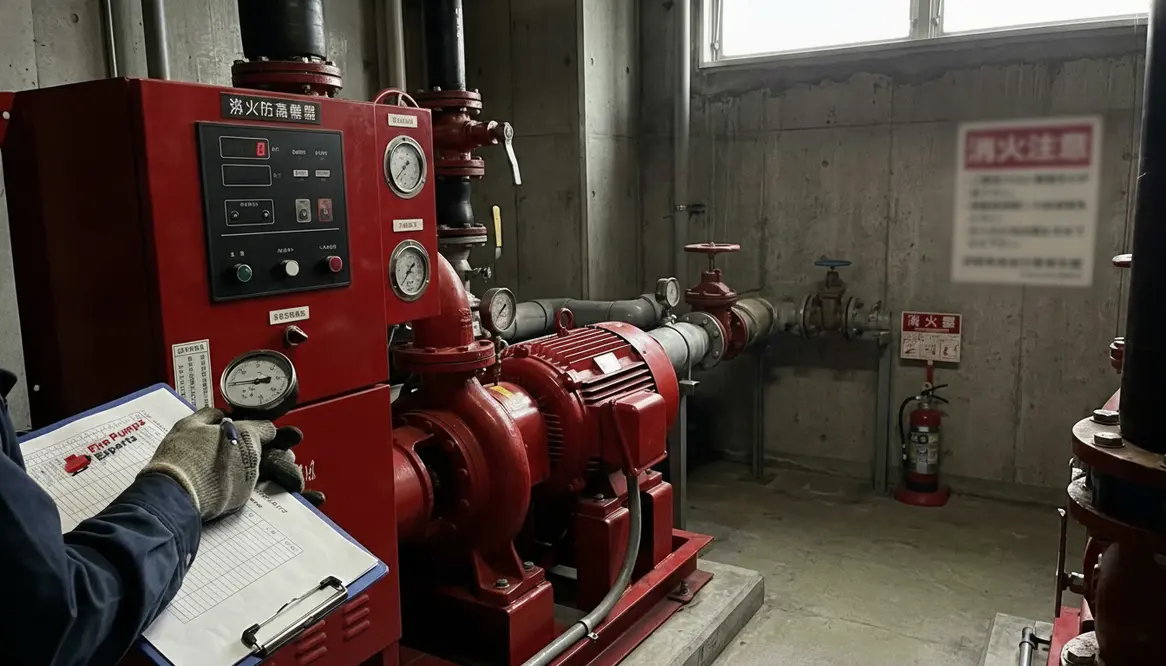
Japan Fire Pump Testing and Maintenance Guide
A practical, on-the-ground look at keeping fire pumps ready for the one day they absolutely cannot fail.
I take Japan testing seriously because, in commercial and industrial buildings, a fire pump is not a “nice to have.” It is the quiet muscle in the back room that steps in when pressure drops and panic tries to move in. And yes, when I say maintenance, I mean the kind that keeps a system ready for real life, not the kind where someone glances at a gauge and calls it a day. In Japan, where standards for reliability run high, fire pump testing and upkeep demand discipline, clear records, and steady attention. That is the point of this guide.
Why I Treat Japan Fire Pump Testing as a Core Safety Task
In a commercial tower, warehouse, plant, or large property, I never see fire pump work as optional. Instead, I treat it as part of the building’s defense line. A fire pump must deliver water at the right pressure, and it must do that when power shifts, valves change, or the system asks for more than usual. That is why Japan fire pump testing matters so much. It checks whether the pump can perform under real load, not just sit there looking innocent like a prop in a movie set.
First, I confirm the pump type, the system layout, and the site risk. Then I look at what the building needs under normal and emergency conditions. Because industrial sites and major properties often face heavy use, long pipe runs, and complex water demand, I need a testing plan that matches the building, not a one size fits all script.
What I Check During Japan Pump Testing
When I perform a test, I focus on performance, control, and signs of stress. I do not rush this part, because fire protection gear deserves better than a speed run.
Basic testing flow
- Check suction and discharge pressure
- Inspect the controller and power source
- Run the pump and confirm stable operation
- Test alarms, switches, and automatic start functions
- Review vibration, heat, leaks, and strange noise
- Record all readings for future comparison
After that, I compare the numbers with expected values. If pressure falls too far, I look for clogged strainers, worn parts, air leaks, or valve trouble. Also, I pay close attention to vibration because it often whispers before it screams. That little hum may seem harmless today, but tomorrow it can turn into a repair bill with a personality.
For Japan fire pump maintenance, I use these results to decide whether the system needs a small fix, a deeper repair, or a full inspection by a specialist. Good data saves time, and more important, it protects people and property.
How I Build a Maintenance Plan That Stays Useful
I like maintenance plans that stay simple enough to follow and strong enough to matter. A good plan should not sit in a binder collecting dust like a forgotten sequel. It should guide daily checks, monthly reviews, and deeper service work.
Core routine checks
- Daily visual check of the pump room
- Weekly review of controller status
- Monthly test run under set rules
Deeper inspections
- Quarterly inspection of valves and fittings
- Annual full performance review
- Immediate service after abnormal results
Next, I make sure the plan fits the site. A hospital high rise, a logistics hub, and a factory floor each face different risks. So, I adjust the schedule based on system demand, weather, water supply stability, and local rules. This is where Japan testing becomes practical, not theoretical. It gives me the proof I need to keep the plan honest.
Also, I keep records clean and complete. That means I log dates, readings, repairs, parts replaced, and the person who handled the work. When a building has an audit, that paper trail speaks louder than a confident shrug.
Common Problems I Look For Before They Grow
Most fire pump issues do not appear out of nowhere. They usually leave clues. I watch for seal wear, corrosion, loose wiring, low suction pressure, and poor motor response. I also check for valve problems because a partly closed valve can cause trouble that looks bigger than a small villain but acts like a disaster in slow motion.
Furthermore, I inspect for water leaks around joints and packing. Even a small leak can point to wear or misalignment. If I hear cavitation, I treat it like a warning siren. That sound can signal poor suction conditions, and it can damage the pump if I ignore it. In large commercial and industrial facilities, I never gamble on “it still runs.” Running is not the same as running well.
If I find repeated problems, I look at the full system, not just the pump. Sometimes the real issue lives in the piping, the controls, the water source, or the installation itself. That wider view helps me fix the cause instead of chasing symptoms like a detective in the final act.
Japan Fire Pump Testing FAQ
This quick FAQ wraps the main concerns I hear when planning or reviewing Japan testing programs for commercial and industrial fire pumps.
Keep Your Fire Pump Ready for Real Emergencies
If you manage a commercial or industrial property, I urge you to treat fire pump care like a serious part of operations, because it is. Strong Japan fire pump testing and steady maintenance protect people, property, and business continuity. So, if your system needs a checkup, a repair plan, or a full service review, I suggest acting now, not later. Reach out, schedule the inspection, and keep your building ready for the day it must perform without hesitation.
If you want to go deeper into performance benchmarks and data logging approaches used in Japan testing programs, you can review additional resources at https://firepumps.org and align your internal routines with proven industry practice.