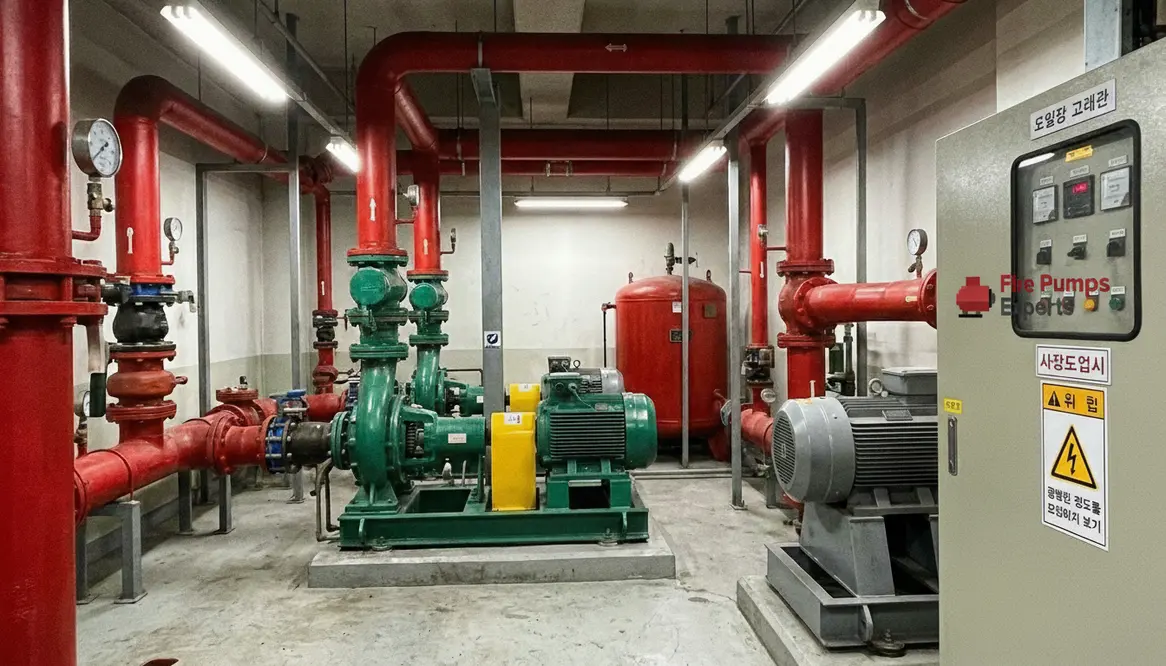
South Korea Fire Pump Requirements Explained
I work with commercial and industrial fire protection often, and I can tell you this: South Korea fire pump requirements are not the kind of rules you want to “figure out later.” In South Korea, fire pumps support life safety in major property buildings, factories, warehouses, and other large facilities where water pressure cannot fail when the heat is on. Literally. So, if you manage a plant, a tower, or a large commercial site, you need a system that matches local code, supports reliable flow, and stays ready when the alarm sounds. The good news is that the rules make sense once you break them down, and that is exactly what I am doing here.
What South Korea fire pump rules mean for major buildings
South Korea fire pump requirements focus on keeping sprinkler systems, standpipes, and other fire protection lines supplied with enough pressure and flow during an emergency. In practice, I look at three things first: building type, hazard level, and water demand. A high rise does not play by the same rules as a warehouse, and a factory full of process equipment needs more than a small pump that looks good in a brochure. That little brochure pump is not Batman. It will not save the day by itself.
For major properties, local code usually expects a fire pump system that can:
- deliver the required water flow for the protected area
- maintain enough pressure at the most remote outlet
- work with the site water tank, public supply, or both
- start automatically when pressure drops
- stay reliable under emergency conditions
Because the rules can shift based on occupancy and building use, I always recommend checking the current local standard early in design. That saves time, avoids costly redesign, and keeps the project moving instead of limping along like a tired extra in a disaster movie.
How I check the pump size and setup
When I size a fire pump, I do not guess. I calculate. First, I review the needed flow, then I confirm the pressure loss through pipes, valves, fittings, and elevation. After that, I compare the result with the fire system demand at the farthest point. This step matters because a pump that is too small can fail to protect the building, while a pump that is too large can create system stress. Neither option is charming.
The setup also needs the right support parts. A proper fire pump room should give the unit enough space, safe access, and good ventilation. In addition, many projects use a main pump, a jockey pump, and sometimes a backup pump. The jockey pump handles small pressure drops, so the main pump does not cycle like a nervous drummer. That helps with reliability and reduces wear.
Here is a quick view of what I check:
Design item
- Required flow rate
- Required discharge pressure
- Water source capacity
- Power supply and backup plan
- Room layout and service access
Why it matters
- Prevents weak water delivery
- Supports code compliance
- Improves system uptime
- Reduces failure risk
- Makes testing and maintenance easier
Also, I keep one rule in mind: the pump must match the system, not the other way around. That sounds simple, yet it is where many teams drift off course.
What equipment and testing I expect on site
Any strong fire pump system needs more than the pump itself. I expect the full package to include the pump unit, controller, suction and discharge piping, valves, gauges, and a dependable water supply. For critical sites, redundancy matters. If one component fails, another should take over or at least keep the system safe until repairs happen. In a major building, “close enough” is not a strategy; it is a problem wearing a tie.
Testing also plays a huge role in South Korea fire pump requirements. I want regular checks for:
- automatic start performance
- pressure stability
- flow output
- controller response
- alarm and signal function
Flow testing tells me whether the pump can truly perform under load. Visual inspection helps me catch leaks, corrosion, loose fittings, or heat damage before those small issues become expensive drama. And yes, maintenance logs matter. Paperwork is not glamorous, but neither is explaining why a pump failed during an emergency.
When South Korea fire pump requirements affect compliance planning
Compliance affects the project from day one. I always push teams to bring fire protection into the early design stage, not after the structure is already set. Once the space is fixed, your options shrink fast. That means the water tank size, pump room location, electrical supply, and pipe routing all need attention early. If you wait, you may end up with a layout that looks elegant but works like a broken phone charger.
For commercial and industrial properties, compliance planning usually covers:
- coordination with the fire protection engineer
- coordination with local authorities and inspection steps
- system documents and shop drawings
- equipment approval and installation records
- commissioning and acceptance testing
In many projects, I also review trusted industry guidance and product details from fire protection specialists. For example, teams often use resources like commercial fire pump system guidance from https://www.firepumps.org to compare system design ideas for major properties. That kind of reference helps when you need a clear path through code, equipment selection, and long term service planning.
FAQ
Next steps for a safer project
If I had to boil this down, I would say this: South Korea fire pump requirements reward early planning, careful sizing, and steady maintenance. For major commercial and industrial buildings, the pump is not just another machine in the room. It is a core part of the building’s defense. So, if you are designing, upgrading, or checking a large facility, start with the code, verify the demand, and build the system with care. If you need a smarter path forward, now is the time to review your design and move with confidence.