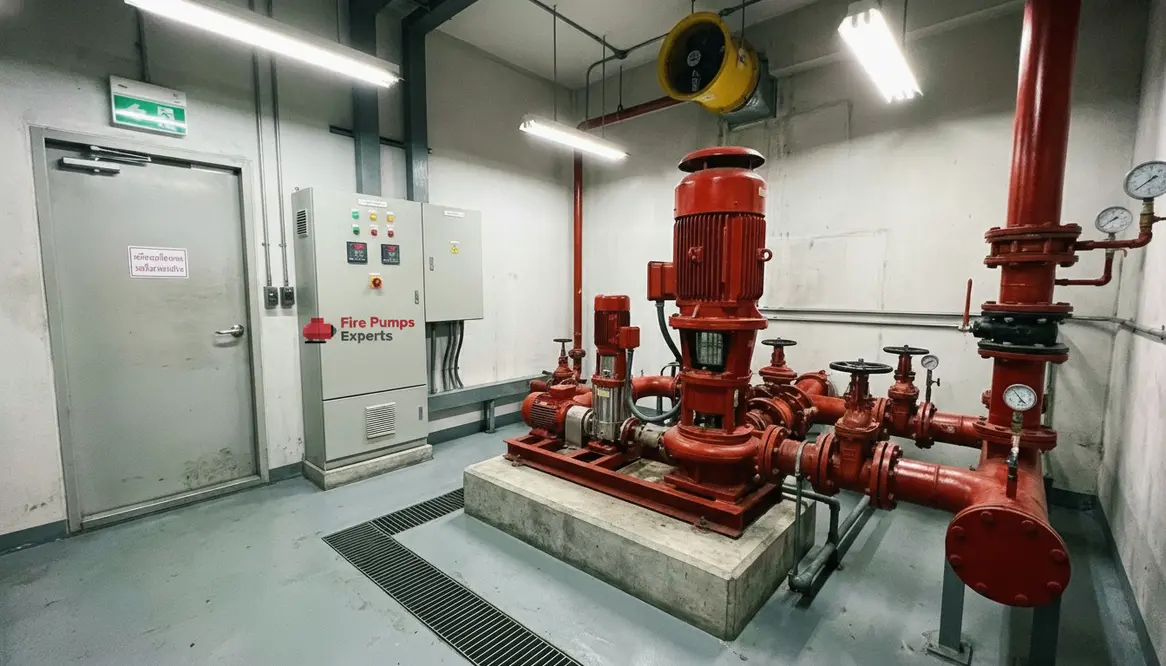
Thailand Fire Pump Room Requirements Guide
Thailand Fire Pump Room Requirements Overview
When I look at a fire pump room in a Thailand room setup for a commercial tower, factory, or major property, I do not see a dusty mechanical closet. I see the calm heartbeat of the building’s fire protection system. If that room fails, the whole safety plan starts to wobble like a cheap chair at a family dinner. So, I treat the fire pump room as serious business, because in Thailand, large buildings need systems that work fast, work clean, and work under pressure.
In this overview, I will walk through the main requirements for fire pump rooms in commercial and industrial facilities. I will keep it practical, direct, and useful, because nobody needs fire safety advice that sounds like a robot wrote it during lunch break.
What a Thailand Fire Pump Room Must Do
A fire pump room supports the sprinkler and hydrant system by keeping water pressure ready at all times. I always start with the basic goal: the room must protect the pumps, power supply, valves, and controls so the system can activate without delay. In a proper Thailand room design, the space must allow clear access, safe operation, and quick maintenance.
For commercial and industrial properties, the room usually holds the main fire pump, standby pump, jockey pump, control panels, pressure gauges, and related piping. Because these buildings often handle high occupancy, large floor areas, or valuable equipment, the room must stay reliable around the clock. If the building is a movie set, this is the scene where everything behind the curtain matters more than the spotlight.
Fire Pump Room Location and Layout for Large Properties
Location priorities
I always recommend placing the fire pump room where it stays protected from flooding, impact, and heat. It should sit in a secure part of the building, yet still remain easy for fire crews and maintenance teams to reach. Since Thailand weather can bring heavy rain, I pay close attention to drainage and floor level. Water and fire pumps do not make a strong duo unless you enjoy expensive problems.
Space and workflow
The room also needs enough space for safe work. Technicians must move around each pump, open panel doors, inspect valves, and remove parts when needed. As a result, I look for a layout that keeps equipment clear and avoids tight corners. Good spacing also helps reduce downtime during service, which matters a lot in factories and high rise properties where a small delay can cause a large headache.
Key Technical Requirements I Check First
When I review a fire pump room, I focus on a few core points right away. These are the details that decide whether the room merely exists or truly performs.
Dual column summary for fast review
Left column
- Reliable power supply for the pumps
- Ventilation to keep heat under control
- Adequate lighting for inspection and repairs
- Fire rated separation from risky areas
- Clear access for operators and emergency teams
Right column
- Correct pump capacity for the building load
- Strong foundation to reduce vibration
- Drainage to remove water safely
- Alarm and monitoring connections
- Protection from dust, debris, and tampering
These points may sound simple, but they carry the whole system. Also, I never assume a pump room is fine just because it looks neat. A tidy room can still hide weak wiring, poor ventilation, or a pump that sounds like it has seen too many action scenes.
How I Handle Compliance and Safety Checks
Compliance matters because large buildings need a documented, tested, and maintainable fire protection setup. I always advise checking the local fire code, building rules, and engineering standards that apply to the project. Since requirements can vary by building type and size, I verify the design early instead of waiting until the last minute when everyone is already stressed and pretending to be calm.
I also look for routine testing. The fire pump room should support weekly, monthly, and annual checks. Staff should test the jockey pump, confirm pressure levels, inspect valves, and make sure the control panel shows no warning signs. In addition, the room should stay locked or controlled to avoid misuse. A fire pump room is not a storage space for old chairs, paint buckets, or that one mystery box nobody claims. It has a job, and it should be allowed to do it.
Maintenance Tips for Commercial and Industrial Facilities
I always tell owners and facility teams that maintenance keeps the system honest. First, they should build a clear log for all inspections and repairs. Next, they should keep the room clean and dry, because dust and moisture can shorten equipment life. Then, they should check that nothing blocks access to the pumps, control panels, or valves.
Industrial and factory notes
For industrial sites, vibration and dust can become real issues, so I pay extra attention to mounting, sealing, and air flow. For major properties, I also look at backup readiness. If the main pump fails, the standby pump must take over without drama. That handoff should feel smooth, not like a season finale cliffhanger.
Thailand room readiness
In a Thailand room dedicated to fire pumps, I want clear floor markings, uncluttered pathways, and labels that still make sense at 3 a.m. during an alarm. Good housekeeping, documented procedures, and simple visual cues turn a busy plant or high rise into a place where the fire protection team can react quickly instead of guessing.
Why I Recommend Expert Support
I have seen many projects where the fire pump room looked fine on paper, but the real site told a different story. That is why expert review matters. A skilled team can check whether the room supports the pump load, safety needs, and long term service plan for a commercial tower or industrial plant.
If you want a useful starting point, I suggest reviewing trusted guidance from commercial fire pump room solutions for major buildings. It can help you better understand what a proper system should include before you move into design, upgrade, or inspection work.
Bringing a specialist into a Thailand room review also helps catch coordination issues with electrical systems, water supply, and building layout. When design and operation teams work together early, the finished room tends to run quieter, last longer, and behave better when it finally has to perform for real.
FAQ
Conclusion
If you manage a commercial tower, industrial plant, or major property in Thailand, I urge you to treat the fire pump room as a priority, not a side note. A well built room supports safety, uptime, and compliance all at once. When every Thailand room that depends on sprinklers and hydrants can rely on steady water pressure, people sleep better and insurers worry less.
So, if you want your system checked, planned, or improved, now is the time to act. Walk the site, open the doors, and look at that quiet mechanical space as the heartbeat it really is. The best fire protection is the one ready before trouble knocks, and it often starts in a simple, well designed fire pump room that never tries to be anything else.