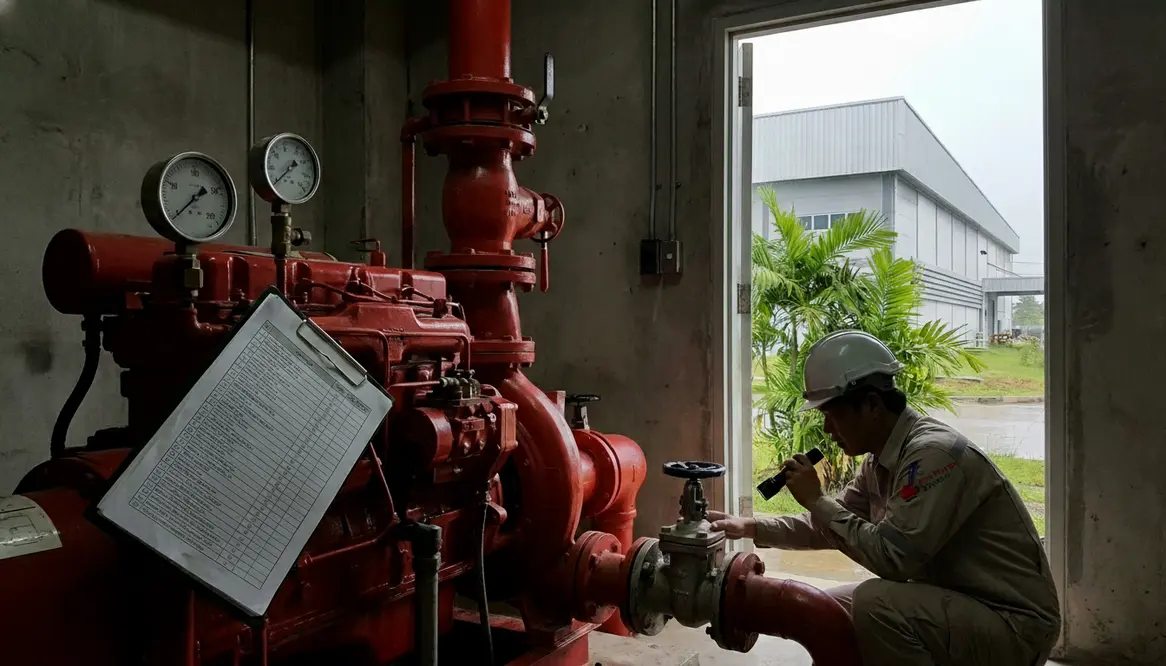
Thailand Fire Pump Testing and Maintenance Guide for Commercial and Industrial Buildings
When I talk about Thailand testing for fire pumps, I am talking about the quiet work that helps a big building stay ready when trouble shows up uninvited. In a commercial tower, a factory, or a major property, the fire pump is not a luxury. It is a guardian. And like any guardian, it needs regular checks, proper care, and a little respect. I have seen too many systems treated like office décor, standing there all month doing nothing, until the day everyone expects them to act like Superman. That is not a plan. That is a gamble.
So, if I want reliable fire protection, I need a clear routine for testing, inspection, and maintenance. I also need to understand what matters most, what to check first, and when to bring in a skilled team. That is where this guide comes in.
Why fire pump testing matters for major properties
I test fire pumps because performance drops in small ways long before a real emergency. A pump can lose pressure, develop vibration, leak at fittings, or struggle with starting. At first, these problems look harmless. Then, one day, they do not. In large buildings, even a short failure can put people, equipment, and business operations at risk.
In Thailand, commercial and industrial sites often run complex fire systems. Therefore, Thailand testing helps confirm that the pump will start fast, deliver the right water flow, and keep pressure steady across the system. I never treat this as a checkbox exercise. I treat it as proof that the building can defend itself when seconds matter.
How I prepare for Thailand fire pump testing
Before I start any test, I review the fire pump setup, the control panel, suction and discharge valves, the power source, and the current service history. Then I make sure the testing area stays safe and clear. For commercial and industrial buildings, I also coordinate with building management so normal operations do not turn into chaos. Nobody needs a surprise flood or an alarm that wakes up half the floor like a bad scene in a disaster movie.
I also check these items first:
Pre test checklist
- Inspect pump room access and ventilation
- Confirm valve positions
- Check fuel, power, and battery systems
- Review pressure gauges and controllers
- Look for leaks, rust, or loose parts
After that, I can move into the actual test with less risk and better data. Good prep saves time, and it also saves embarrassment. Both matter.
What I check during the test
During Thailand testing, I focus on starting performance, operating pressure, flow rate, vibration, noise, and shutdown response. I want the pump to start quickly and hold steady under load. If the unit stumbles, I want to know why before it becomes a headline.
Here is the core test flow I follow:
Core test overview
Test point
- Start up response
- Pressure output
- Flow behavior
- Sound and vibration
- Control panel status
- Engine or motor condition
What I look for
- Fast, smooth activation without delay
- Stable pressure that matches system demand
- Adequate water delivery at required points
- No harsh noise, shaking, or uneven movement
- No fault lights, alarms, or failed switches
- Clean operation with no overheating
These checks tell me much more than a quick glance ever could. In fact, the pump often tells its own story if I listen closely enough. A strange sound here, a pressure dip there, and suddenly I have clues. It is a bit like a detective show, only with more water and less dramatic music.
How I maintain fire pumps after inspection
Once I complete the test, maintenance begins. Testing shows me the condition. Maintenance improves it. I clean parts, tighten fittings, check bearings, verify lubrication where needed, and replace worn components before they fail. I also inspect the controller, switches, gauges, and power supply so the entire system stays ready.
For commercial and industrial buildings, I pay close attention to the pump room environment. Heat, dust, moisture, and poor airflow can damage equipment over time. Therefore, I keep the room clean, dry, and easy to access. If the space looks like it belongs in a forgotten warehouse scene from an old action film, I already know I have work to do.
Service rhythm that keeps systems ready
- Weekly visual checks for leaks, pressure, and alarms
- Monthly operational checks for startup and control response
- Quarterly review of system parts and running condition
- Annual full performance testing and service review
This routine helps me catch small issues early. As a result, I reduce failure risk and avoid costly downtime.
What good service looks like in Thailand
Good service is not just about fixing a broken part. It is about knowing what the building needs before the problem grows. In Thailand, I look for a service team that understands commercial and industrial fire systems, documents every result, and gives clear next steps. I want a record I can trust, not vague notes that read like someone was writing under pressure during a coffee shortage.
If I need expert support, I look for a resource that focuses on major properties and industrial sites, such as fire pump testing for commercial and industrial properties in Thailand. That kind of focused service matters because these systems are too important for guesswork.
When I schedule Thailand testing through a qualified team, I know the pump, controller, and supporting systems will be reviewed with the level of detail a serious building deserves.
Thailand testing FAQ for fire pumps
Conclusion
If I want real fire protection, I do not wait for a problem to announce itself. I test the pump, maintain it, and keep the records clean. That simple habit protects people, property, and business continuity in a way that sounds boring until the day it matters most. So, if your commercial or industrial building needs reliable fire pump testing and maintenance in Thailand, now is the right time to act. I recommend reviewing your system today and scheduling a professional inspection soon so your next Thailand testing session confirms readiness instead of exposing surprises.