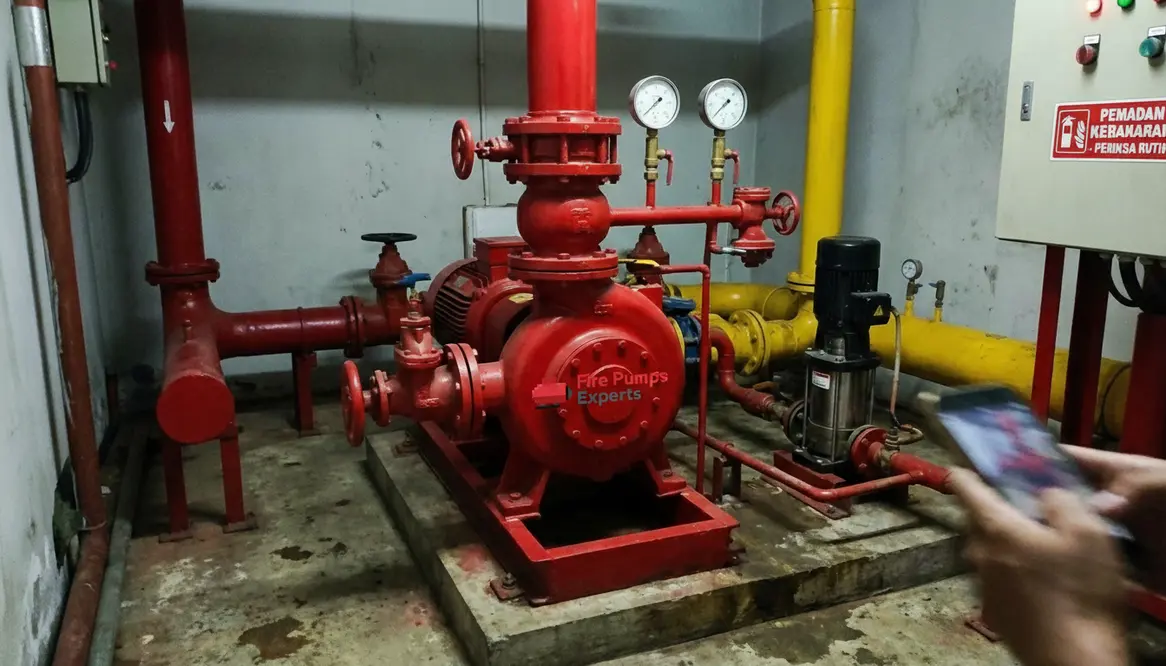
Indonesia Fire Pump Compliance Guide for Buildings
When I talk about Indonesia compliance for fire pump systems, I mean one thing: keeping commercial, industrial, and major property buildings ready when fire shows up uninvited. And fire, as dramatic as it is, does not wait for paperwork. In Indonesia, a building owner must treat fire pump rules as part of daily risk control, not as a box to tick and forget like a gym membership in February. In this guide, I will walk through the key points that matter most, from legal standards to inspection routines, so you can keep your building safe, compliant, and ready for real action.
What I check first in a building fire pump system
I always start with the basics, because the basics save lives. A fire pump system must support the sprinkler and hydrant network with stable water pressure and flow. For commercial and industrial facilities, that means the pump cannot just exist in a room like a lonely prop from a sci fi movie. It must be ready to perform.
First, I look at the pump type. Most buildings use a main fire pump, a jockey pump, and often a backup power source. Then I check whether the pump can deliver the required pressure based on the building height, layout, and fire risk level. Also, I confirm that the pump room stays accessible, ventilated, and protected from flooding, heat, and random storage habits that somehow turn into “temporary” storage for six months.
In practical terms, Indonesia compliance begins with matching the system design to the building use. A warehouse, a factory, and a tower building do not face the same fire load, so they should never use the same lazy setup.
Indonesia compliance for fire pump installation
Now let us talk about installation, because a great pump in a bad setup is like a superhero trapped in a closet. The system must follow approved fire safety standards, local building rules, and the design documents prepared for the property. I always verify that the pipe size, valve setup, suction line, discharge line, and controller all fit the design demand.
Here is where many projects get shaky. Some owners focus on buying equipment first, then worry about compliance later. That path usually leads to delays, rework, and costs that grow faster than streaming subscriptions. Instead, I recommend a full review before installation starts. The fire pump room should also have clear signage, proper lighting, and safe access for maintenance teams and emergency crews.
For Indonesia compliance, installation also means using certified components where needed and keeping records for testing and handover. If the paperwork is messy, the building may still be safe, but proving it becomes a headache. And nobody needs that kind of excitement.
How I test and maintain the system
Testing is where theory meets reality. I never trust a fire pump just because it looks confident. I test it. Regular testing helps confirm that the pump starts fast, holds pressure, and runs as expected under real load. Weekly checks, monthly reviews, and periodic full flow tests all play a role.
During inspection, I check:
- pump startup and shutdown response
- pressure readings on the system gauges
- fuel or electrical backup status
- water supply stability
- controller alarms and fault signals
- valve positions and leakage signs
Then I look at maintenance logs. Good records show patterns. They help spot small problems before they become expensive drama. For example, a weak jockey pump may seem minor, but it can cause unnecessary starts and wear on the main pump. That is the fire safety version of a drummer missing the beat until the whole song falls apart.
Routine service also supports building safety audit results and helps owners show due care. In other words, compliance is not just about passing an inspection; it is about keeping the system ready on a normal Tuesday afternoon when nobody expects trouble.
My dual view of risk and building type
Different buildings need different fire pump planning, and I always think in two columns when I review a property:
Column one: Building profile
High rise towers, factories, warehouses, shopping complexes, and mixed use commercial sites each carry different fire loads, water demands, and access limits.
Column two: Fire pump response
The pump must match the hazard level, network size, water source, and backup needs of that site. A larger or more complex facility often needs deeper checks, stronger documentation, and more frequent testing.
This dual view keeps me from treating every property like a copy paste job. That is important, because real compliance lives in the details. A system that works for one site can fail badly in another if I ignore the building’s shape, use, and risk level.
Where Indonesia compliance often fails in real projects
I see a few common mistakes over and over again. First, some sites neglect pump room protection. If the room gets too hot, too wet, or too cluttered, the system loses reliability. Second, some owners skip routine testing after handover. That is a gamble, and fire does not care about anyone’s schedule.
Third, many buildings keep incomplete records. Without logs, it becomes hard to prove inspection history, service dates, and test results. Also, some teams do not train their facility staff. A fire pump is not a magical machine that self explains like a smart phone tutorial. People must know how to check it, read alarms, and call for service fast.
So, I always advise building teams to treat compliance as a living process. It needs attention, documentation, and regular follow up. When Indonesia compliance becomes part of routine operations, the whole fire protection strategy becomes more reliable.
FAQ: Indonesia fire pump compliance for buildings
These are the questions I hear most often when people start taking Indonesia compliance for fire pumps seriously.
Get your building ready before the alarm rings
If I had to say it plainly, fire pump compliance is not paperwork theater. It is real protection for real buildings with real people and assets inside them. So, if you manage a commercial tower, industrial plant, or major property, now is the time to review your system, test your setup, and close any gaps.
I recommend acting before an inspection or emergency forces the issue. Reach out to qualified fire safety professionals, assess the risk, and make your building ready while the lights are still on. When Indonesia compliance becomes part of your normal operations, the fire pump is no longer a forgotten machine in a dark room; it becomes a dependable part of how you protect people, property, and business continuity.
If you want a deeper technical reference on fire pumps, you can review international guidance such as NFPA 20 or specialized resources like https://firepumps.org, then align that knowledge with local Indonesia compliance requirements for your specific building type.