Global Electric Fire Pump Standards NFPA EN ISO
Global Electric Fire Pump Standards Compared
When I compare fire pump standards across the world, I see the same goal wearing different suits. Every code wants one thing: dependable water flow when the heat rises and panic starts knocking. And yes, Global electric systems sit right in the middle of that story, because commercial and industrial buildings need a pump that performs without drama. No one wants a fire safety system that acts like a sleepy extra in a disaster movie. So, let me walk you through the main standards, what they expect, and how I judge them in the real world.
What global electric fire pump standards actually cover
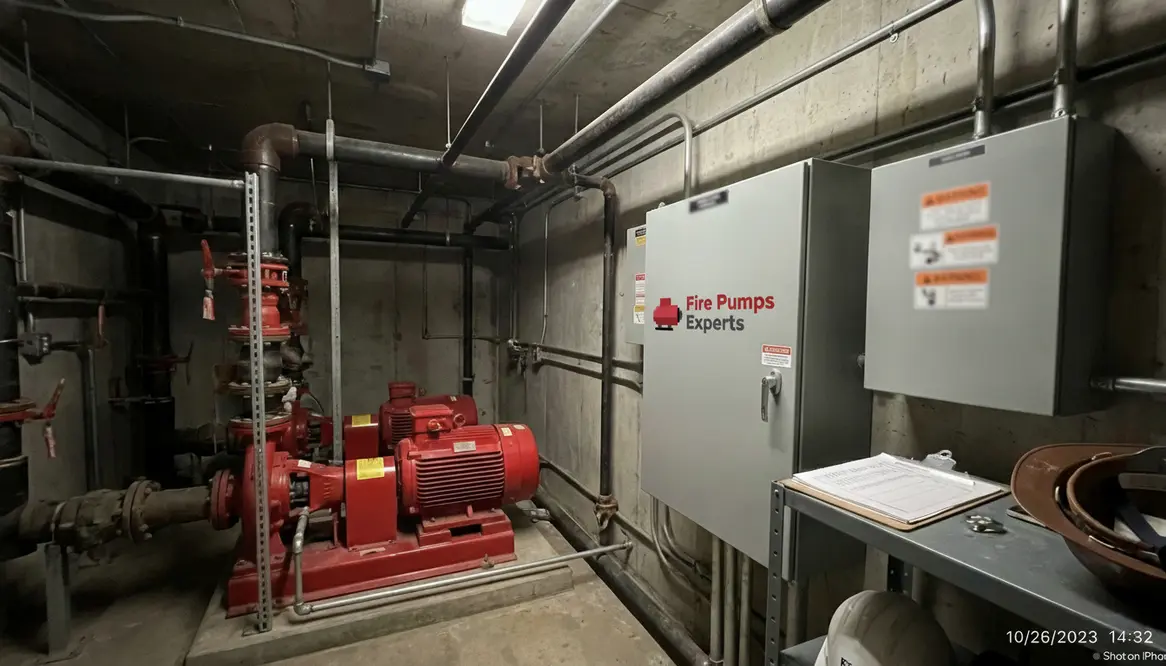
At the core, these standards define how a fire pump should be built, tested, installed, and maintained. They focus on power supply, pump performance, controller design, alarm behavior, and backup reliability. In other words, they make sure the pump does not freeze up when people need it most. For commercial towers, factories, warehouses, hospitals, and other major property buildings, that matters more than most people realize.
NFPA, EN, ISO – where each standard sits
In the United States, NFPA 20 leads the conversation. It lays out clear rules for installation and performance of fire pumps. It works closely with UL and FM approval requirements, which many owners value because they add another layer of trust. Meanwhile, in Europe, EN 12845 often appears in sprinkler driven systems, while local rules guide fire pump use. Elsewhere, you may see ISO based approaches or country specific codes that borrow ideas from the bigger names. The details change, but the mission stays stubbornly the same.
How NFPA 20 compares with EN and ISO rules
If I had to put it simply, NFPA 20 feels direct and highly practical. It gives owners and engineers a detailed path for selection and installation. Because of that, many large U.S. buildings follow it closely. It covers electric motors, diesel backups, suction conditions, controller settings, and test procedures. That level of detail helps reduce guesswork, which is handy when the building is full of expensive equipment and people who expect the lights to stay on.
EN based standards can feel more tied to system design and regional fire protection practice. They often work well in mixed code environments, especially where sprinkler systems and building rules overlap. ISO guidance, on the other hand, aims for broad consistency across borders. However, it often leaves more room for local enforcement. So, if NFPA 20 is the strict captain on the bridge, ISO sometimes acts like the wise advisor in the background.
For global electric fire pump selection, I always tell clients to ask one question first: which code does the authority having jurisdiction accept? That answer matters more than any shiny brochure. It also prevents the classic “we installed it, but it does not pass review” headache. And nobody wants that meeting. Trust me.
Global electric fire pump standards compared in a practical table
Standard
NFPA 20
EN 12845 related rules
ISO based guidance
Main focus
Pump installation and performance
Sprinkler and system design support
International consistency
Strength
Very detailed and widely trusted
Good fit for many European markets
Flexible for cross border projects
Best use
Large commercial and industrial sites in the U.S. and similar markets
Major properties following regional European practice
Multinational projects with local code review
What I check before choosing a compliant electric fire pump
1. Building type and risk profile
First, I check the building type. A high rise office, a logistics hub, and a manufacturing plant do not need the same setup. Next, I review water demand, suction source, and power reliability. Electric pumps work best where the power supply stays steady and where the site can support proper controller and emergency power planning. If the site has weak electrical resilience, then a backup plan becomes non negotiable.
2. Testing access and maintenance reality
Then I look at testing and maintenance access. Standards do not stop at installation. They also care about how the system gets checked over time. That is where many owners slip. A pump is like a drummer in a live show. It looks calm until the cue comes, and then everyone notices whether it kept rhythm. Regular testing protects that rhythm.
3. Service support and documentation
Finally, I consider service support. For commercial and industrial properties, the best choice is not just compliant. It is also maintainable, documentable, and easy to verify during inspections. That is why many teams work with specialists who understand both local code and Global electric fire pump expectations. If you want a deeper look at commercial fire pump planning, I recommend exploring expert commercial fire pump solutions for major properties.
Where Global electric solutions fit best
Global electric systems fit best in large properties that already have stable electrical infrastructure and strong fire protection planning. They also suit sites that want cleaner operation, lower fuel handling, and simpler day to day upkeep than diesel alternatives. However, I would never treat them as a one size fits all answer. The right standard, the right pump, and the right installation plan must line up.
For industrial facilities, electric fire pumps often make sense because they support predictable performance and easier integration with building systems. For major commercial buildings, they also reduce noise and local emissions. That may not sound glamorous, but neither does smoke control at 3 a.m. and yet here we are.
When Global electric configurations are matched to NFPA, EN, or ISO expectations properly, they sit quietly in the background, waiting for the moment that matters. The real win is not just passing inspections; it is knowing that under pressure, the system behaves exactly as the standard intended.
FAQ
Conclusion
If you want a fire pump setup that stands up to code and real world pressure, start with the standard your authority accepts, then match it to the site needs. I always recommend a careful review before purchase, because the right choice saves time, money, and stress later. For commercial and industrial properties, the path is clear: compare standards, verify compliance, and choose a system built for duty. If you need help, now is the time to act.