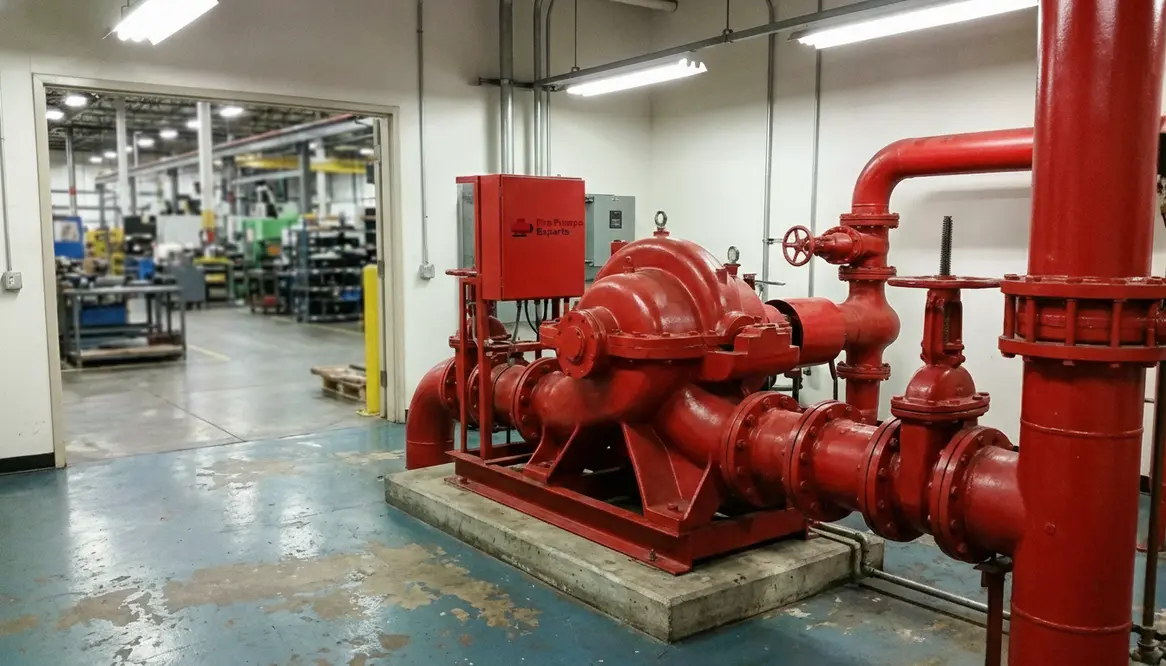
Fire Pump Standards for Global Manufacturing Facilities
I have spent enough time around large plants to know one thing: when fire protection fails, nobody applauds the paperwork. That is why fire pump standards matter so much in global manufacturing facilities. They shape how I plan, size, test, and maintain pump systems that protect people, equipment, and production lines. In a world where one weak link can shut down a whole operation, the right standard is not just a box to check. It is the backbone of reliable fire protection, and yes, it is a lot more exciting than it sounds once you realize how much is at stake.
For commercial and industrial sites, I treat these standards as the rulebook that keeps everything calm when things get hot, literally. They guide water supply, pressure, installation, inspection, and ongoing care. So, if you manage a plant, a warehouse campus, or a major property, this topic deserves your full attention.
Which standards shape a global plant setup?
When I work through a fire pump design, I usually start with the main reference points that drive safety and compliance across regions. The most common ones include NFPA 20 for installation, NFPA 25 for inspection, testing, and maintenance, and local building and fire codes that may add their own rules. Since manufacturing sites often cross borders, I also watch for regional requirements that can affect materials, approvals, power supply, and room layout.
Here is the practical part. I do not treat these standards like a menu where I pick the fun stuff and skip the spinach. I compare them side by side, then build a system that satisfies both local law and operational needs. That keeps the plant safer and reduces costly redesign later.
How I size and place a fire pump
Proper sizing starts with the hazard. I look at the building use, storage type, sprinkler demand, hose demand, and water supply conditions. Then I check whether the site needs one pump or a main pump with a backup. In large manufacturing plants, a stable supply matters because a thin water source can make a good design look like a bad sequel.
I also pay close attention to placement. A fire pump room should stay protected, accessible, and separate from likely damage zones. It needs ventilation, drainage, lighting, and dependable power. If the room becomes too cramped or too hot, the system loses the calm confidence it needs in an emergency. That is not drama. That is physics with a uniform on.
Global manufacturing facilities and local code differences
Global sites bring an extra layer of complexity. One country may ask for a diesel pump with a specific fuel setup, while another may favor electric power with backup generation. Meanwhile, local authorities may want different alarm links, control panel labels, or test records. As a result, I never assume a design that worked in one country will pass in the next.
To keep things clear, I use a simple dual view:
Design focus
- Water supply reliability
- Pump capacity and pressure
- Power source and backup
- Room layout and access
- Material approvals
Compliance focus
- Local fire code approval
- Authority review
- Inspection and test records
- Maintenance schedule
- Operating staff training
This approach helps me avoid the classic global headache: a system that looks perfect on paper but fails the local review. And nobody wants that email.
What inspection and testing must cover
fire pump standards do not stop at installation. They continue through the life of the system. I treat testing as proof that the pump can do its job when the pressure drops and the room gets tense. Routine checks should confirm pump start, suction pressure, discharge pressure, controller function, alarm signals, and water source condition.
Monthly and annual testing matters because pumps can drift over time. Bearings wear, valves stick, suction conditions change, and even small leaks can snowball into a major issue. Therefore, I want logs that show performance trends, not just a stack of papers collecting dust like an old prop from a forgotten sci fi movie.
How I keep the system reliable over time
Reliability comes from discipline. I build maintenance plans that match the site risk and operating schedule. Then I train plant staff so they know what normal looks like and what trouble looks like before trouble becomes a headline. That includes checks on pump rooms, diesel fuel quality if used, battery condition, controller alarms, and spare parts inventory.
I also recommend regular review after plant changes. If the facility expands, changes storage layout, adds higher racks, or upgrades process equipment, the fire pump system may need an update too. Standards work best when I treat them as living tools, not dusty books on a shelf. In addition, I like to use a trusted resource such as this overview of fire pump standards for industrial facilities when I need a quick anchor for compliance planning.
For global manufacturing facilities, using consistent fire pump standards as a baseline and then layering local expectations on top keeps expansions smoother, audits shorter, and risk lower.
Why fire pump standards are a business asset
In practice, fire pump standards are not just about passing inspections; they are about protecting production. When a line goes down because a small incident turned large, nobody is impressed by creative shortcuts that looked brilliant during budgeting season.
Treating these rules as a design toolkit rather than a burden lets me coordinate with operations, safety, and maintenance teams. Together we can lock in reliable water supplies, clear access routes, and equipment layouts that still make sense three shutdowns and five process tweaks later.
Across global portfolios, consistently applying clear fire pump standards makes training easier, spares more interchangeable, and incident investigations a lot less painful.
Frequently asked questions about fire pump standards
These are the questions I hear most often when teams start taking their fire pump standards seriously across multiple facilities and countries.
Conclusion
If you manage a global manufacturing facility, I urge you to treat fire pump standards as a core business tool, not a side task. The right design protects life, reduces downtime, and keeps your site ready for real emergencies. Therefore, review your current system, compare it with local and global requirements, and close any gaps before they become costly surprises. If you need guidance for a commercial or industrial property, now is the time to act and strengthen your fire protection plan.