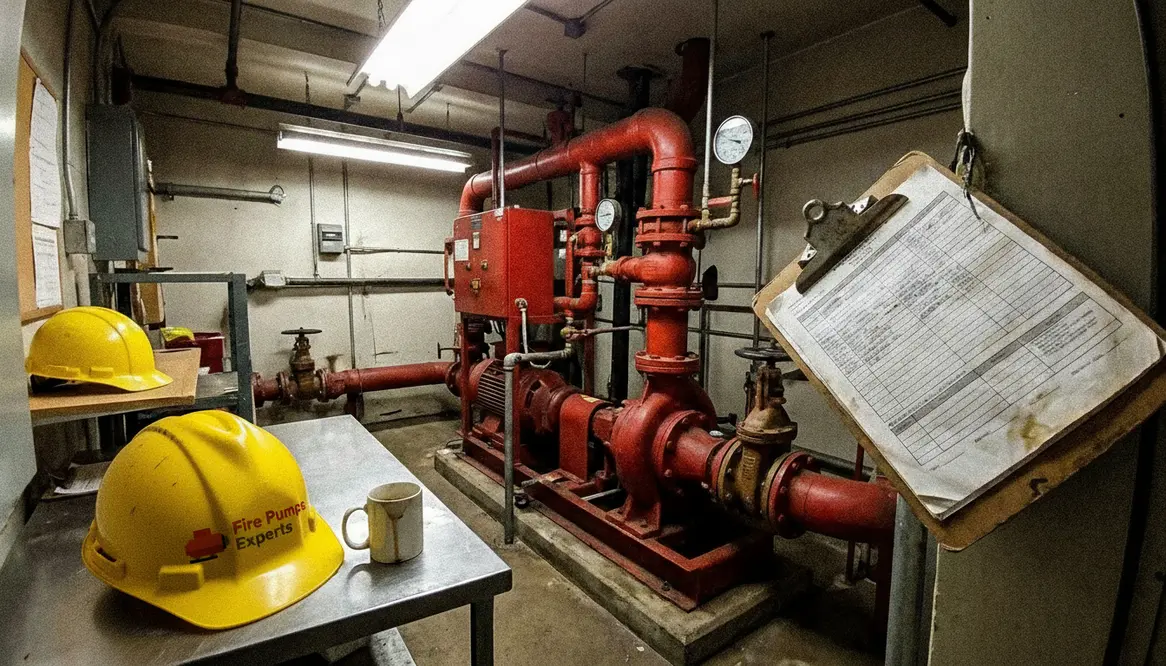
Fire Pump Code Requirements for Hospitals Worldwide
Fire Pump Code Requirements for Hospitals Worldwide can feel like the kind of topic that only wakes up lawyers, inspectors, and the one engineer who always brings three pens to a meeting. Still, I take it seriously, because in a hospital, a fire pump is not just another mechanical asset. It protects patients who cannot move fast, staff who already have enough on their plates, and critical zones that must keep running when things go wrong. In my view, getting fire pump hospitals worldwide compliance right means balancing code, safety, uptime, and the real world. And yes, the real world sometimes arrives with coffee stains and a surprise audit.
What fire codes usually ask for in hospitals
I start with the basics. Most hospital fire pump rules around the world follow the same core idea: if the building fire water system cannot meet pressure and flow, then a dedicated fire pump must step in fast. That pump must support the sprinkler system, standpipe system, or both, depending on the site design and local code.
In many regions, I see the same themes repeat. Authorities want dependable water supply, proper pump sizing, automatic start, clear supervision, and strong backup power. They also want the pump room protected from flood, heat, and damage. In a hospital, that matters even more because a weak system can affect surgery wings, labs, and patient care spaces. Nobody wants the fire pump to act like a sleepy side character in a disaster movie.
How I read global hospital code rules
When I review fire pump hospitals worldwide requirements, I do not look for one single global rule. Instead, I compare local codes with major standards such as NFPA 20, NFPA 25, and regional building and fire laws. Many countries borrow from these standards, then add their own rules for seismic risk, power backup, testing, and approvals.
Dual view of common code focus
On one side, the code checks the system design. On the other, it checks the life of the system after install. That means I look at both the initial setup and the long-term behavior of the fire pump hospitals worldwide that I work with.
Design and install
- Pump capacity based on fire demand
- Suction supply and pipe size
- Controller type and start method
- Jockey pump support for pressure control
- Room layout, drainage, and access
Why this first phase matters
This split matters because a perfect install can still fail later if nobody tests it. A fire pump that sits untouched is like a gym membership in January. It looks good on paper, but that is about it.
Testing and upkeep
- Weekly or routine pump runs
- Annual flow testing
- Valve checks and alarm checks
- Log records and inspection reports
Keeping performance real, not just theoretical
Once the dust from construction settles, the real work starts. Testing is where the quiet failures show up, and where a strong routine can keep the fire pump hospitals worldwide portfolio from turning into a list of near misses.
What hospital engineers should check first
I always tell teams to begin with water source, demand, and power. If the water supply cannot support the pump, the system will never perform as planned. If the power source fails and the backup is weak, the pump may not start when smoke rises and seconds count.
My typical review order
- First, I confirm the required flow and pressure for the hospital fire protection system.
- Then, I check whether the pump can meet that demand at the needed point.
- After that, I review the suction arrangement, because poor suction causes trouble faster than a bad sequel.
- Next, I verify emergency power and transfer logic.
- Finally, I check whether the pump room supports safe access, ventilation, and maintenance.
In many hospital projects, the biggest mistake is not the pump itself. Instead, it is the weak link around it. That link may be the power supply, the control panel, or the room layout. The pump does not care about excuses. It only cares whether the system feeds it what it needs.
How hospitals keep compliance after startup
Once the system is live, I focus on routine care. This is where many sites drift, and drift is expensive. Hospitals run nonstop, so maintenance teams often juggle urgent calls, vendor visits, and daily pressure. However, fire pump compliance cannot slide into the background.
Regular checks should confirm pump operation, controller health, valve position, pressure levels, and signs of wear. Testing should also prove that the pump starts under demand and holds performance. If the site uses diesel power, then fuel quality, battery health, and cooling also matter. If the site uses electric drive, then utility power and backup feed need close attention.
I also advise hospitals to keep records clean and easy to find. During an inspection, neat logs can save time and stress. That is the kind of calm that makes a hard day feel less like a scene from a medical drama.
Keeping the long view on risk
The goal is not just to pass the next inspection. The goal is to make sure that, years from now, the fire pump hospitals worldwide portfolio you manage still behaves the way the original design team promised on day one.
Where to find more guidance
For teams that serve major properties and large commercial sites, I recommend using trusted technical resources that focus on industrial grade fire protection systems. For deeper system planning, you can review fire pump hospitals worldwide guidance through the commercial fire pump resource for large facilities. I find that useful when I need a clear starting point for design and compliance discussions.
FAQ for hospital fire pump code compliance
My final take on hospital fire pump compliance
If I had to sum it up, I would say this: hospital fire pump code work rewards discipline. The design must fit the hazard, the installation must fit the code, and the maintenance must fit the life of a busy hospital. So, if you manage a major healthcare property, do not wait for an inspection to expose the weak spots. Review the system now, verify the records, and tighten the plan. In fire protection, calm preparation always beats last minute panic.
Put simply, treating the fire pump as a quiet but critical part of the care environment is one of the smartest choices a hospital can make. When the system is designed, installed, and maintained with that mindset, the fire pump hospitals worldwide story becomes much less about emergency heroics and much more about steady, reliable protection.