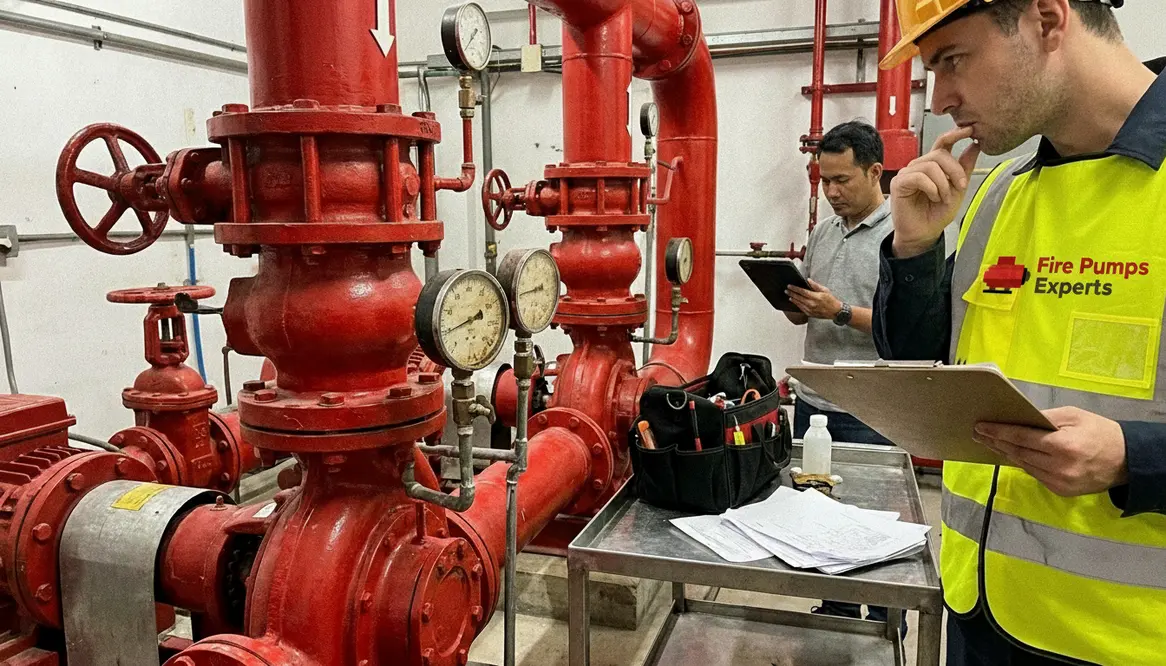
Fire Pump Maintenance Mistakes in Global Standards
How routine checks, shaky habits, and mismatched rules quietly turn solid fire protection into a risky guessing game across global codes.
Fire Pump Maintenance Mistakes Across Global Standards
I have seen one truth hold steady across borders, plants, towers, and warehouses: a fire pump only works well when people respect the rules around it. Fire pump standards exist for a reason, and they guide commercial and industrial facilities away from costly errors that can turn a small oversight into a very bad day. The trouble is, maintenance teams often miss the same basic points, even when they follow a code on paper. So, in this article, I will walk through the most common mistakes I see, how they show up under different global expectations, and how to avoid them before they become a headline nobody wants.
Why fire pump maintenance mistakes happen
Most mistakes start with confidence. A team checks the pump room, sees no obvious trouble, and assumes all is well. That is how trouble sneaks in wearing a fake mustache. In large properties, the fire pump often sits quietly until the moment it must perform under stress. Because of that, people treat routine checks like a box to tick instead of a survival task.
Across regions, the basic goals stay the same. However, the details change. Some standards focus more on weekly starts, while others stress documentation, flow testing, suction conditions, or controller inspection. Therefore, a team that mixes habits from one region into another can miss key steps. I have also seen sites rely on old habits from the maintenance crew instead of current fire pump standards, which is a fast way to invite failure dressed as routine.
Common mistakes in commercial and industrial sites
Here are the errors that show up again and again in major properties and industrial facilities:
- Skipping weekly or monthly checks because the pump “looked fine yesterday”
- Failing to record pressure readings, vibration signs, or run times
- Ignoring small leaks that later grow into real equipment damage
- Leaving suction valves partly closed after service
- Not testing the automatic start feature under real conditions
- Using worn parts because the pump still runs, which is a lovely way to gamble with safety
Each of these mistakes sounds minor. Yet, in a fire event, minor becomes massive in about five seconds. A pump that starts late, loses prime, or delivers weak pressure can put an entire property at risk. That is why maintenance needs both discipline and a clear link to the right standard, not guesswork and good intentions.
Global fire pump standards and where teams slip
Different regions use different codes, but the same mistakes keep appearing. For example, some facilities follow a strong inspection schedule but forget performance testing. Others test the pump but never check the controller, which is like checking Batman and forgetting the Batmobile.
Here is a simple view of where teams usually slip:
Maintenance focus
Weekly inspection
Monthly testing
Annual flow test
Controller review
Common failure point
Missed pressure drift or small leaks
Run test done without proper logging
Incorrect setup or weak follow up repair
Battery, switch, or alarm faults ignored
When I compare fire pump standards across markets, I notice one pattern. Teams often know the checklist, but they do not understand the reason behind it. That matters. If a suction source has air issues, a diesel pump has fuel concerns, or an electric unit has control faults, the pump may pass a casual look yet fail under load. Global standards ask for proof, not hope. Hope is lovely in movies, but not in pump rooms.
How to close maintenance gaps fast
First, I would build one clean maintenance plan for the site and tie it to the correct local and global standard. Then I would assign clear owners for weekly, monthly, and annual tasks. Next, I would make sure every inspection includes actual readings, not vague notes like “looks okay.” A real log tells a story. A lazy log tells a fairy tale.
Then I would train staff on what to look for beyond the obvious. For instance, heat, vibration, odd noise, slow startup, seal wear, and controller alerts can all signal trouble before the pump fails. I would also use a service partner with real commercial and industrial fire pump experience, because major properties need more than general maintenance talk. They need people who understand system pressure, water supply, and the demands of large facilities.
Where fire pump standards matter most
Fire pump standards matter most when the building has high risk and high load. Think manufacturing plants, logistics hubs, hospitals, data centers, towers, and large mixed use buildings. In those places, a weak system does not just fail quietly. It can affect operations, safety, insurance, and recovery time.
That is why I always tell facility leaders to treat maintenance as a living process. Standards change, equipment ages, and site conditions shift. So, the plan must stay current. If your team has not reviewed its program in a while, I recommend starting with a strong reference like commercial fire pump standards and maintenance guidance and then checking how your site lines up with the rules that apply to your region and building type.
In many facilities, an internal review also uncovers gaps that quietly formed over time: missing log entries, skipped weekly runs, or a controller that has not seen a serious test in years. This is where consistent use of fire pump standards turns from “paperwork” into a practical shield for people, assets, and continuity.
Putting it all together
When leadership backs a clear plan, technicians understand why each step matters, and logs are treated as evidence instead of chores, the entire protection strategy shifts. The pump room stops being a mysterious space in the basement and becomes a critical reliability asset. This is exactly what modern fire pump standards are trying to push facilities toward: proof that the system will perform when it is needed, not just hope that “it worked last year.”
FAQ
Conclusion
If you manage a commercial or industrial facility, do not wait for a fault to teach the lesson. Review your maintenance plan, compare it with the right fire pump standards, and close every gap before it grows teeth. A reliable pump room is not built on luck. It is built on habit, proof, and follow through. If you want a safer system and fewer surprises, take action now and tighten the process today.