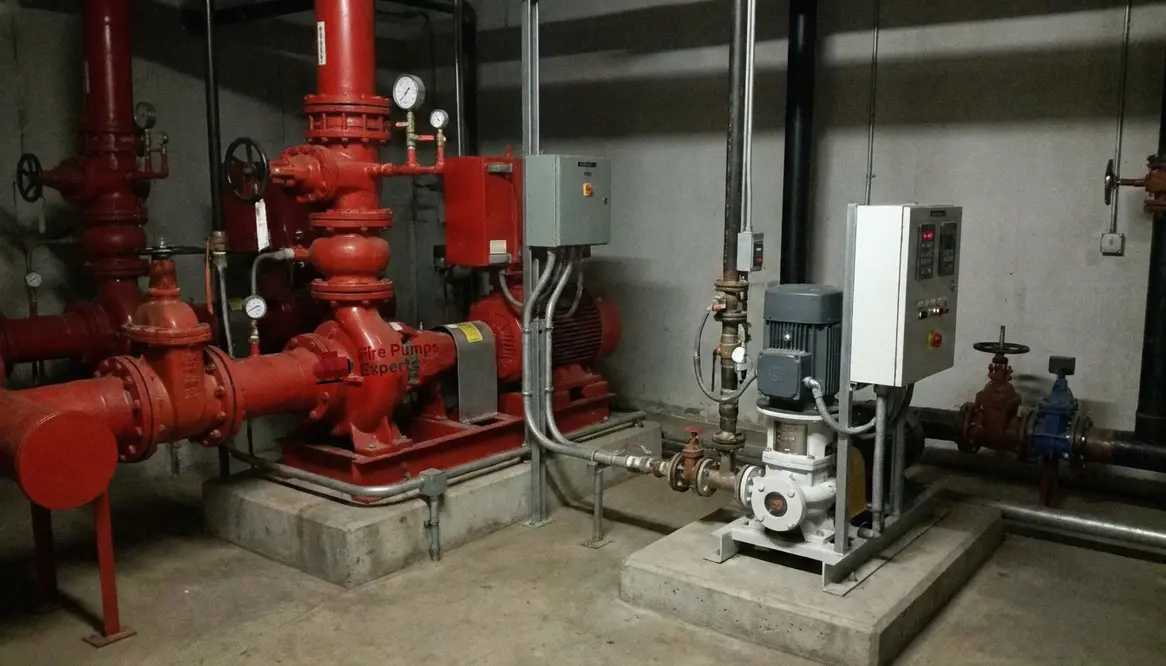
Fire Pump vs Jockey Pump Key Differences Guide
Fire Pump vs Jockey Pump: Key Differences Explained
When I look at fire pump vs jockey pump, I see two machines that sound like they belong in the same lineup, yet they do very different jobs. One steps in when a real fire emergency demands heavy water flow. The other works quietly in the background, keeping pressure steady so the big unit does not wake up for no good reason. In commercial and industrial facilities, that difference matters a lot. A high rise, warehouse, plant, or major property cannot afford confusion here. So, I break it down in plain language, with enough depth to be useful and just enough dry humor to keep the sparks from getting too serious.
What a Fire Pump Does in a Commercial Building
A fire pump acts like the heavy lifter in a fire protection system. When sprinklers, standpipes, or hydrants need more pressure than the water supply can provide, the fire pump jumps in and boosts flow. It is the bodyguard that only appears when the situation goes south. It does not run all day. Instead, it waits for demand during an actual fire event or a test. Because of that, engineers size it for high performance, not for quiet babysitting.
In major properties, this pump often supports large water demands across many floors or wide plant areas. Therefore, it helps keep fire suppression systems effective even when municipal pressure drops. That is why design, maintenance, and testing matter so much. If this pump fails, the whole protection plan can wobble like a laptop on a cafeteria table.
How a Jockey Pump Keeps Pressure Steady
The jockey pump plays a calmer role. It maintains system pressure and makes up for small leaks, temperature changes, and normal pressure loss. In other words, it stops the fire pump from turning on every time the system sighs. That saves wear, reduces false starts, and keeps the main fire pump ready for real work.
Here is the simple truth. A jockey pump is small, but it is not minor. In fact, it protects the main system by handling the little pressure drops that happen all the time in long pipe runs, high rise risers, and complex industrial layouts. Without it, the fire pump would cycle too often, and that is never a good look for equipment that should stay fresh for emergencies.
Fire Pump vs Jockey Pump in One Clear Comparison
To make the difference easy to spot, I use this quick comparison whenever someone asks about fire pump vs jockey pump in a real-world system.
Side-by-Side Snapshot
Fire pump
- Provides high water flow during a fire
- Handles major demand
- Runs during emergencies or tests
- Has higher power and capacity
- Protects life safety systems at scale
Jockey pump
- Maintains steady pressure during normal conditions
- Handles small pressure loss
- Runs more often in short bursts
- Has lower power and capacity
- Reduces wear on the main pump
So, the fire pump fights the fire. Meanwhile, the jockey pump keeps the system polite and ready. That is not just neat engineering. It is smart risk control for commercial and industrial sites where pressure loss can create real problems.
How Fire and Jockey Pumps Work Together
Teamwork, Not Competition
These two pumps do not compete. They cooperate. The jockey pump holds the pressure near the set point. Then, if pressure falls enough because of a real demand, the fire pump starts. That handoff keeps the system stable and reliable.
A Warehouse Example
For example, in a warehouse with a long sprinkler network, tiny leaks or small pipe losses may drop pressure over time. The jockey pump covers those drops. However, if sprinklers open during a fire, pressure falls fast. At that point, the fire pump takes over and delivers the flow the system needs. That teamwork is simple, but it is also essential. As a bonus, it helps avoid unnecessary starts that can shorten pump life and create maintenance headaches no one asked for.
When Sizing and Setup Matter Most
Getting the Right Size
Pump selection is not a guessing game. The right setup depends on building height, hazard level, water supply, pipe size, and system layout. A small problem in sizing can turn into a big problem in performance. And in a major property, that is the kind of surprise nobody wants, not even on a Friday.
Control Logic and Set Points
Proper control settings also matter. The jockey pump should start and stop within a narrow pressure range. The fire pump should start only when true demand appears. This helps the system avoid nuisance starts and keeps both pumps working the way they should. If you want a reliable system, you need both good equipment and good logic. One without the other is like Batman without the Batmobile. Still impressive, but not ideal.
When you look at fire pump vs jockey pump performance over years of operation, the systems that do best are the ones where someone cared about commissioning, testing, and threshold settings, not just nameplate horsepower.
Practical Takeaways for Facility Teams
Day-to-Day Checks
- Watch how often the jockey pump runs; sudden changes can flag leaks or valve issues.
- Confirm that the fire pump only starts during testing or real demand, not random pressure blips.
- Keep an eye on pressure gauges near the pump room and at remote points in the system.
Why the Difference Matters
Understanding fire pump vs jockey pump roles helps avoid awkward conversations during inspections, audits, or, worse, after an incident. It is much easier to tune and test a system when everyone knows which pump is doing what, and why one is supposed to be loud and dramatic while the other is quietly obsessive about pressure.
FAQ for Fire Pump vs Jockey Pump
Final Thoughts and Next Step
If I had to sum up fire pump vs jockey pump in one line, I would say this: one protects against emergencies, and the other protects the emergency system itself. Both matter in commercial and industrial facilities, and both need proper design, testing, and care.
So, if you manage a major property, review your pump setup now. A reliable fire protection system starts with the right equipment, and that starts with a clear plan. Understanding how fire pump vs jockey pump decisions affect reliability, wear, and code compliance is one of the simplest upgrades you can make without touching a wrench.
If you want help, take the next step and get your system checked by a qualified fire protection team today. For more detailed technical reading on fire pumps, one helpful starting point is https://firepumps.org, especially when you are comparing fire pump vs jockey pump performance against current standards and best practices.