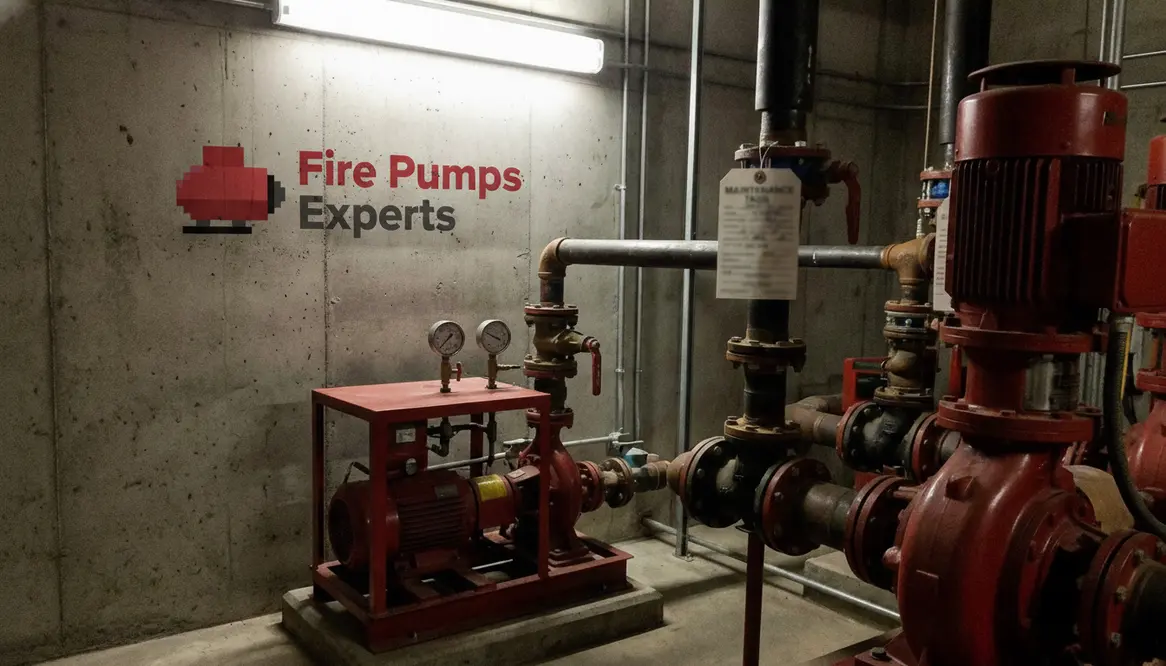
Jockey Pump Function Operation and Maintenance Guide
Jockey Pump Explained: Function, Operation and Maintenance
When I talk about fire protection in commercial and industrial buildings, I always start with the jockey pump function. It may be small, but it carries a heavy load. In simple terms, this little pump keeps the fire sprinkler system pressure steady, so the main fire pump does not wake up every time a tiny pressure drop shows up. Think of it as the quiet bodyguard that keeps the drama low. And in a large property, that matters. Because when pressure stays stable, the whole system works smoother, faster, and with fewer false starts.
What a jockey pump does in a fire sprinkler system
I use the jockey pump function to describe one job: holding pressure. In a commercial or industrial fire protection setup, the sprinkler piping loses a bit of pressure over time from small leaks, normal changes in temperature, or minor system seepage. Instead of letting the main fire pump start for every tiny drop, the jockey pump steps in and restores the pressure. That saves wear on the main pump, cuts down on nuisance starts, and keeps the system ready for real emergencies.
Here is the simple truth: the main fire pump is built for serious water demand, while the jockey pump is built for fine control. One handles the big moment. The other handles the quiet morning before the chaos. Like Batman and Alfred, they work best as a team, although one wears a utility belt and the other just keeps the lights on.
Why that small pump matters
When the jockey pump function is set up correctly, it keeps the system calm between real emergencies. Fewer false starts means less noise, less wear, and fewer complaints from anyone whose office sits anywhere near the pump room.
In short, it lets the main fire pump stay ready for the moment it truly matters instead of wasting cycles on everyday pressure drift.
How the jockey pump works in daily operation
The operation is straightforward, but the details matter. A pressure switch or controller monitors the sprinkler system. When pressure falls below the set point, the jockey pump starts automatically and runs until pressure climbs back to normal. Then it shuts off. If pressure keeps falling because of a serious demand, the main fire pump starts after the jockey pump does its part.
That sequence matters because it protects the system from unnecessary cycling. Also, it helps ensure the fire pump only starts when the building really needs it. In a warehouse, plant, high rise, or other major property, that control can make the difference between smart operation and mechanical chaos. And nobody wants mechanical chaos. That is how equipment ages like a rock star with bad habits.
Jockey pump function and sizing for commercial buildings
For commercial and industrial facilities, sizing must match the system demand and pressure loss pattern. If the pump is too small, it cannot keep up with normal drops. If it is too large, it may overshoot the pressure and create its own problems. So I always look at system size, pipe layout, possible leaks, and pressure settings before I settle on a plan.
To make that easier, I like to break the task into two parts:
| What I check | Why it matters |
| System pressure loss | Shows how often the pump must restore pressure |
| Building size and use | Helps match the pump to the facility demand |
| Controller settings | Keeps start and stop points in the right range |
| Leak risk | Prevents extra cycling and wear |
Because every facility is different, I never treat jockey pump setup like a one size fits all problem. A hospital, a distribution center, and a manufacturing plant may all need different control ranges. And yes, the pump still wants the same job. But the way it does that job should fit the site, not the other way around.
Maintenance tips that keep the pump ready
If I want a jockey pump to stay dependable, I check it often. Maintenance should include visual inspection, pressure switch testing, controller checks, seal review, and a quick look for leaks around valves and piping. I also listen for odd noises during operation. A healthy pump should not sound like it is auditioning for a horror film.
Routine maintenance should include:
- Check system pressure and confirm the pump starts and stops at the correct points
- Inspect the controller for faults, alarms, and loose wiring
- Look for leaks, corrosion, or signs of pipe wear
- Test automatic operation during scheduled inspections
- Confirm the pump room stays clean, dry, and easy to access
Most problems do not show up overnight. Instead, they build slowly. So I always recommend a regular service plan for commercial properties and industrial sites. That way, small issues stay small.
Common problems and how I solve them
In the field, I see a few issues again and again. Short cycling often means the pump is too large, the pressure settings are wrong, or the system has a leak. Failure to start usually points to controller trouble, bad wiring, or switch problems. Excessive vibration can signal alignment issues or pump wear. Meanwhile, low pressure recovery may mean the pump is tired or the system has a hidden loss point.
So when I troubleshoot, I do not guess. I check the controls, inspect the piping, verify settings, and test performance against the expected pressure range. That method saves time and keeps the fire protection system reliable. And in a big facility, reliability is not a luxury. It is the whole game.
Why the jockey pump function protects your investment
In many facilities, the main fire pump is a major investment, tied directly to local code, insurance requirements, and life safety expectations. Letting that pump start and stop all day to handle tiny leaks or temperature swings is a fast way to shorten its life and build repair costs nobody asked for.
A properly sized and maintained jockey pump function smooths out those daily ups and downs. It acts as the first responder for pressure loss, leaving the main unit reserved for real fire flow. For more technical references and standards on how jockey pumps and fire pumps are typically applied, resources like https://firepumps.org can be useful starting points when you are planning or reviewing a system.
FAQ
Conclusion
If you manage a commercial or industrial facility, I suggest you treat the jockey pump as a key part of your fire protection plan, not as background noise. When it works well, the system stays stable, the main pump stays protected, and your building stays better prepared.
If you want dependable performance, review your setup, inspect it often, and make maintenance part of the routine. A steady pump today can save a very expensive headache tomorrow. Keeping an eye on the jockey pump function is one of the simplest ways to protect both life safety and your long-term equipment budget.