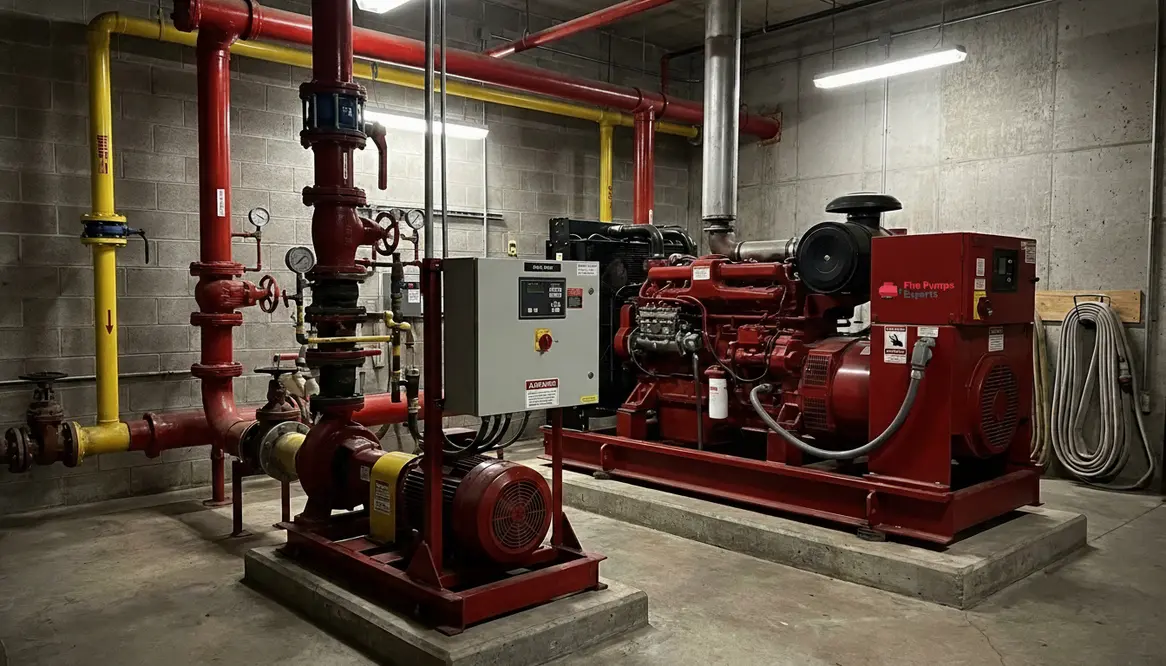
Industrial Fire Pump Systems Guide and Setup
A practical walk‑through of how an industrial fire pump system really works, how to set it up, and how to keep it from turning into an expensive decorative object the day it is actually needed.
Industrial Fire Pump Systems Explained
When I talk about protecting a large commercial site, a warehouse, or a major property, I always start with one hard truth: water pressure does not care about your emergency plans. That is where my industrial fire pump system comes in. It steps in when the building supply cannot push enough water fast enough to fight a fire. In plain terms, it helps feed the sprinkler and standpipe network with the force it needs. And yes, it is the quiet hero in the corner, doing the heavy lifting while everyone else hopes they never meet the fire marshal on a bad day.
Quick snapshot
- Boosts pressure for sprinklers, hoses, and standpipes
- Keeps fire protection alive when supply pressure drops
- Essential for tall buildings and large industrial sites
- Sits in the background until everything depends on it
What an Industrial Fire Pump System Does
I use a fire pump system to boost water flow for fire protection equipment in large facilities. It does not create water; instead, it increases pressure so sprinklers, hoses, and standpipes can work properly during an emergency. That matters because tall buildings, sprawling plants, and high risk commercial spaces often need more pressure than the city line can provide. So, if the supply drops, the pump takes over and keeps the system alive. In many ways, it acts like the backup singer who suddenly has to carry the whole concert.
Core job in one view
Water source enters from a tank, lake, or city line.
Pump raises the pressure to a useful level.
Controller starts the pump when pressure falls.
Protection network delivers water to the hazard area.
How I Choose the Right Fire Pump Setup
I never size a fire pump by guesswork. Instead, I look at building height, water demand, pipe size, and the type of fire protection system already in place. Then I check the required flow and pressure. This is where many owners get surprised, because the pump must match the real needs of the site, not the wishful thinking in the budget meeting. If the property includes a high rise, a large storage area, or heavy production space, I often need a stronger setup. Also, the water source matters a lot. A weak source can turn a good plan into a very expensive paperweight.
What I review for commercial and industrial facilities
- Required flow rate and pressure
- Water supply reliability
- Building height and layout
- Sprinkler and standpipe demand
- Power source and backup options
Why Installation and Testing Matter
I cannot stress this enough: a fire pump is only useful if it works under stress. That is why installation must follow code, and testing must happen on a regular schedule. During setup, I check alignment, suction piping, discharge piping, controller wiring, and the fuel or power source. Then I make sure the system can start automatically when pressure drops. After that, testing tells the real story. It shows whether the pump meets demand, holds pressure, and responds fast enough. Without testing, you are basically crossing your fingers and hoping the fire obeys house rules. Spoiler alert, it will not.
Key checks during commissioning
- Suction and discharge piping free of restrictions
- Controller and automatic start logic verified
- Power or fuel supply sized and secured
- Full flow test to confirm performance curve
- Alarm and monitoring signals working as required
Why the industrial fire pump system supports safety and compliance
I see many property teams focus on alarms and sprinklers, which makes sense. However, the pump is the muscle behind the full fire protection setup. If it fails, the rest of the system may not perform the way it should. That can put people, inventory, and operations at risk. It can also create code problems during inspection. For facilities that want a clear guide on commercial fire pump service and system standards, I often point them to https://firepumps.org as a useful reference for industrial and major property needs.
What I check
Component
- Controller
- Power source
- Jockey pump
- Valves and piping
- Test results
Why it matters
Why I Check It
- Starts the pump when pressure drops
- Keeps the system ready during outage
- Helps prevent false starts and pressure loss
- Supports smooth water flow
- Confirms the system can do its job
Common Problems I Watch For
Even a strong pump system can run into trouble. Over time, I often see low suction pressure, worn seals, blocked strainers, faulty controllers, or poor maintenance records. Sometimes the issue is simple, like a closed valve. Other times, the problem goes deeper, like a pump that never matched the building load in the first place. So, I always recommend a full inspection plan. That way, small issues stay small. And in fire protection, small is beautiful.
Issues that quietly break performance
- Low suction pressure from a weak or fluctuating source
- Worn seals and bearings reducing efficiency
- Blocked strainers throttling available flow
- Faulty controllers failing to start at the right time
- Poor records hiding a long history of small problems
- A pump that never fit the building’s real fire load
Putting the industrial fire pump system in context
For most major properties, the industrial fire pump system sits between the unpredictable outside world and the carefully designed fire protection inside. City pressure changes, tanks drop, valves get bumped, and yet the system is expected to deliver the right water, to the right place, at the right time. That is why I treat it as core infrastructure, not an accessory to the sprinkler drawings.
When it is selected correctly, installed to code, and tested on schedule, an industrial fire pump system quietly holds everything together. When it is ignored, sized on optimism, or tested only when someone remembers, it can fail in the one moment it was built for. I have seen both ends of that spectrum, and I know which side I want your property on.
FAQ
Conclusion
If I want a commercial or industrial property to stay ready, I do not treat fire pumps like a side note. I treat them like core protection equipment. A well planned industrial fire pump system supports safety, code compliance, and business continuity all at once. If your building needs better water pressure for fire protection, now is the time to review the setup, test the system, and fix weak points before they become real problems. I would rather help you prepare today than explain regret tomorrow.