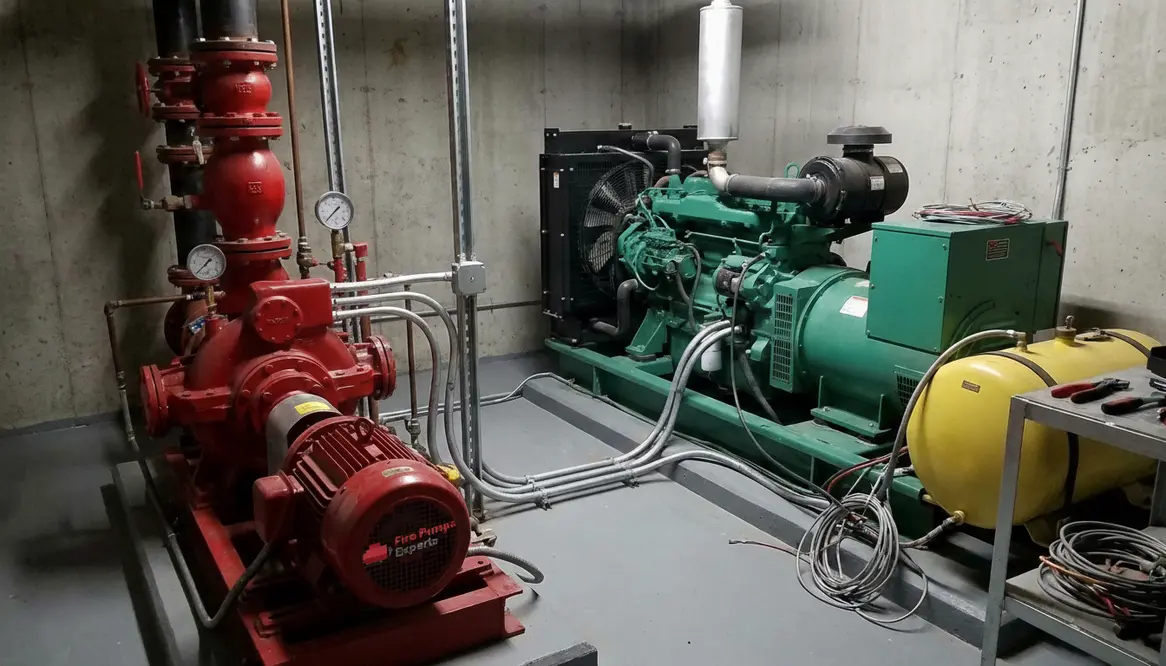
Fire Pump Backup Power Requirements Guide
A field-tested walkthrough of how fire pump backup power should actually work when everything else goes wrong.
Fire Pump Backup Power Requirements Explained
When I talk about fire pump backup power, I am talking about the quiet hero that steps in when the main power gives up the ghost. In a commercial tower, a hospital, a warehouse, or a major industrial site, that backup system can decide whether a fire pump keeps pressure alive or sits there looking dramatic while the building gets real problems. I like to think of it as the utility version of a stunt double: it does the dangerous work, rarely gets applause, and absolutely must be ready on cue.
For large properties, the rules are strict for a reason. Fire pumps must work fast, and they must keep working when normal power fails. So, I will break down how backup power works, what codes expect, and how facility teams can avoid expensive surprises later.
Big Buildings, High Stakes
Fire pumps move water with enough force to support sprinkler systems and standpipe systems in big buildings. However, these systems lose value quickly if the pump loses power during an emergency. That is why fire pump backup power matters so much in high rise buildings, manufacturing plants, distribution centers, and other major properties.
In these settings, I do not treat backup power as a nice extra. Instead, I treat it as part of the life safety system. A fire pump may need to start instantly, run for a long stretch, and handle the load without a hiccup. Therefore, the backup source must match the building’s risk level and the fire protection design. Nobody wants a system that works “most of the time.” That is not a comfort plan. That is a gamble.
What the Code Usually Requires
In most commercial and industrial projects, the backup source for a fire pump must comply with local code, the fire code, and the electrical and fire protection standards used in the design. Usually, the common options include a generator, a dedicated engine driven pump, or another approved emergency source. The exact answer depends on the building type, the pump type, and how the system is arranged.
Core expectations for backup power sources
- start fast when normal power fails
- carry the fire pump load without overload
- remain reliable during a fire event
- be sized for the pump and its control gear
- stay protected from damage, heat, and flooding
Also, the power source must work as part of the full life safety plan, not as a lone gadget tucked in a corner like a forgotten prop from a Marvel movie. I always remind teams that the code does not care what looks convenient. It cares what works under stress.
How I Evaluate Fire Pump Backup Power
Step 1: Understand the pump and load
When I review a system, I start with the pump type and the building load. Then I look at the emergency source, the transfer method, the control panel, and the run time needs. After that, I check whether the setup supports the pump without delay. Timing matters here. If the transfer takes too long, pressure can drop before the pump comes back online.
Step 2: Validate the energy source
Just as important, I look at the fuel supply or electrical source. A generator may need fuel storage, proper ventilation, and regular testing. On the other hand, an engine driven pump may need its own maintenance plan and reliable starting support. Either way, the system must stay ready for the worst day, not the best one.
Fire Pump Backup Power Options Compared
Below is a simple side by side view of common choices for large facilities.
| Option | Best Use |
|---|---|
| Emergency generator | Large commercial and industrial buildings that need electrical continuity |
| Engine driven pump | Sites where mechanical drive offers strong emergency support |
| Secondary approved source | Facilities with a code allowed alternate design |
Each option has tradeoffs. Generators need clean sizing, good maintenance, and tested transfer equipment. Engine driven systems reduce dependence on the electrical grid, but they need fuel and service checks. So, the best choice depends on the property, the risk, and the code path the design team follows.
Testing, Maintenance, and Common Mistakes
Why testing matters
Testing matters because backup systems age, and age is not a charm in fire protection. I recommend routine inspection, load testing, and verification of transfer behavior. In addition, teams should confirm that batteries, fuel, wiring, and controls all support a real emergency start.
Mistakes that quietly break your plan
- Undersizing the backup source for the actual fire pump load
- Ignoring transfer delay until pressure drops in a real event
- Skipping regular testing because “it looked fine last month”
- Poor coordination between the fire pump room, electrical room, and fuel or utility support areas
When those pieces do not work together, the whole system gets shaky, and your carefully planned fire pump backup power setup starts acting more like a suggestion than a guarantee.
When to Bring in a Fire Protection Specialist
I always bring in a specialist when a property has a high load, a complex pump arrangement, or a mixed use layout. That includes major office towers, logistics hubs, hospitals, data centers, and industrial plants. In those facilities, the backup power plan needs real review, not guesswork and a strong coffee.
For a deeper look at standards and service support for large properties, I also recommend reviewing commercial fire pump backup power solutions from a team that understands industrial and major property needs. That kind of support helps keep the design aligned with the code and the real world.
FAQ
Conclusion
If you manage a commercial or industrial property, I strongly urge you to review your fire pump backup power plan now, not after an alarm or outage exposes a weak spot. The right system protects pressure, supports life safety, and keeps your building ready for the moment that matters most. If you want confidence, work with specialists who know large property requirements, code rules, and real emergency performance. That is how you stay ready, stay compliant, and stay ahead of trouble.