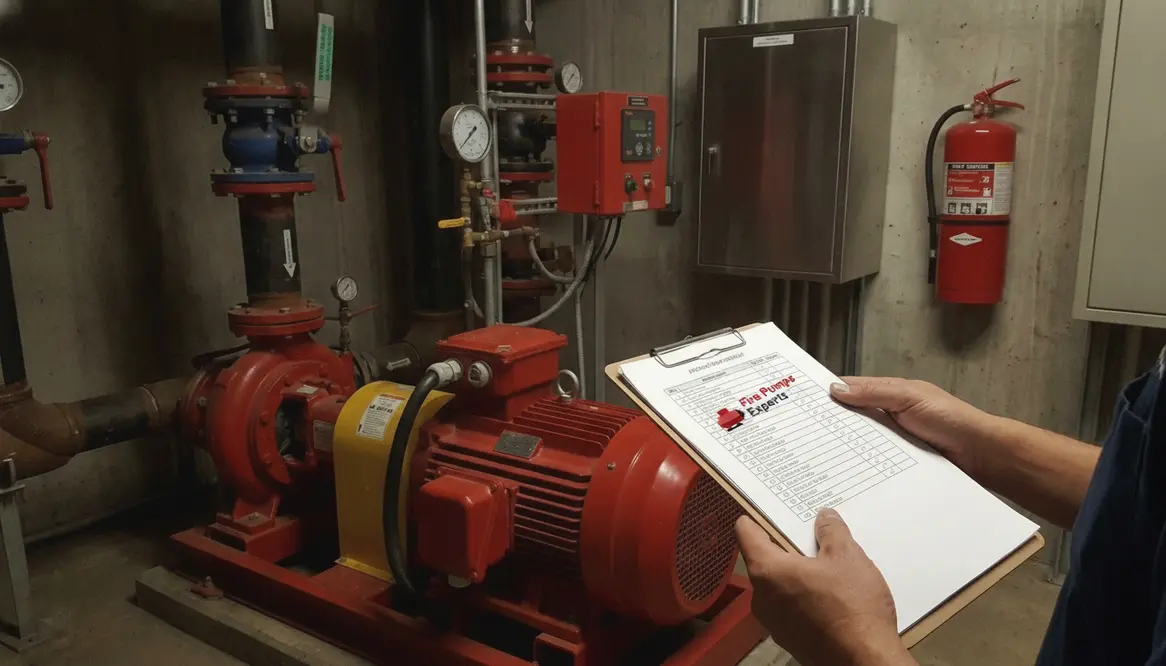
Fire Pump Inspection Checklist for Facility Managers
When I manage a commercial or industrial property, I treat the fire pump like the quiet heavyweight in the basement. It does not ask for attention, but when the alarms go off, it better deliver. That is why I keep a fire pump inspection checklist close at hand. It helps me spot trouble early, protect the building, and keep life safety systems ready for the real thing, not just the monthly paperwork parade. In a big facility, small misses can turn into big problems fast, and nobody wants that kind of plot twist.
Why this checklist matters
A solid fire pump inspection checklist turns “I think we are fine” into “I know we are ready.” It keeps the pump from becoming background noise and turns your inspections into something that actually protects people, property, and operations.
What I check first in a fire pump inspection checklist
I start with the basics, because the basics usually tell the truth. First, I confirm the pump room is clear, dry, and accessible. Then I look for leaks, strange noises, and signs of wear on the pump, driver, valves, and piping. I also check the suction and discharge pressure readings, along with the controller status lights and alarms. If something looks off, I do not shrug it off like a side character in a disaster movie. I document it and move it up the chain.
Next, I verify the following items:
- Controller shows normal power and no active trouble signal
- Suction source remains available and unobstructed
- Jockey pump operates properly and holds system pressure
- Valves stay in the correct open or closed position
- Pump casing, seals, and connections show no visible leaks
- Room temperature stays within safe operating range
These checks help me catch small issues before they become expensive ones. Also, a fire pump room should never feel like a forgotten closet. If it does, that is usually a clue.
How I test the fire pump without wasting time
I do not treat testing like a box to tick. I treat it like proof. For a commercial or industrial site, I want real data, not wishful thinking. So I review the weekly and monthly test results, then compare them with past readings. If the pump starts too slowly, runs rough, or fails to reach expected pressure, I investigate right away.
During a churn test or flow test, I watch how the pump responds under load. I want stable pressure, proper run time, and clean start up behavior. I also check the driver, whether electric or diesel, because the pump is only as dependable as the power behind it. If it is diesel, I inspect fuel level, battery condition, cooling water, and exhaust. Basically, I look for anything that could spoil the performance when the building needs a hero.
Quick testing cues I watch
- Does the pump start promptly and smoothly?
- Does the pressure build and hold where it should?
- Do any alarms or unusual sounds show up?
- Does the driver temperature stay in a normal range?
If those answers are not reassuring, the next step is not “wait and see.” It is “inspect and fix.”
Fire pump inspection checklist for facility managers: what to document
Documentation matters because memory gets fuzzy and auditors do not run on vibes. I record every inspection, test result, repair, and corrective action. I also note the date, time, name of the inspector, and any unusual condition. That record helps me track patterns, and patterns tell me where failure may show up next.
Dual column reference: what I log
Item
- Pump pressure
- Controller status
- Valve condition
- Visible issues
- Corrective action
What I record
- Normal range and any change
- Normal, trouble, or alarm
- Open, sealed, or adjusted
- Leaks, heat, noise, vibration
- Who fixed it and when
Good records support compliance, but they also help me sleep better. And frankly, that is worth a lot.
Fire pump maintenance tips for commercial and industrial facilities
I keep maintenance simple, steady, and on schedule. First, I make sure trained people handle the pump system. Then I follow the manufacturer guidance and site procedures without improvising like I am directing my own action sequel. I also coordinate with fire protection professionals for deeper service, since major properties need more than a quick once over.
What I prioritize in ongoing care
- Keep the pump room clean and easy to access
- Test alarms, signals, and power sources on schedule
- Inspect packing, bearings, and seals for wear
- Check suction supply and water level often
- Repair small leaks before they spread
- Replace damaged parts with approved components only
I also review the facility’s overall fire protection plan, because the pump does not work alone. It supports sprinklers, standpipes, and other systems that protect people and assets. When those pieces work together, the building gets a stronger line of defense.
When I call a fire protection expert
I bring in a qualified fire protection professional when I see repeated faults, abnormal test results, or signs of pump damage. I also call for expert help when I need deeper inspection, repair, or verification for a large commercial or industrial property. For added guidance, I often look to trusted industry resources like fire pump inspection guidance for major facilities, since that helps me stay aligned with best practices for big buildings.
Where the fire pump inspection checklist fits in
My fire pump inspection checklist is not just a stack of tasks. It ties into training, vendor support, and the broader fire protection strategy. It keeps the team focused on the right checks, makes service calls more efficient, and gives management a clear picture of risk instead of guesswork.
In major facilities, the difference between “we looked at it” and “we followed a proven fire pump inspection checklist” can show up on the worst day the building ever sees. I prefer the version where the pump performs exactly as expected.
FAQ
Conclusion
I treat fire pump care as a serious habit, not a last minute scramble. If you manage a commercial or industrial property, now is the time to review your current process, tighten your records, and fix weak spots before they grow teeth. Use a strong inspection plan, keep your team trained, and bring in expert support when needed. A ready fire pump protects more than equipment. It protects people, property, and the future of the building. A clear fire pump inspection checklist just makes that job easier to do every single time.