Fire Hydrant System Components Explained Guide
Fire Hydrant System Components Explained
When I talk about fire hydrant system components, I am talking about the backbone of fire protection for commercial and industrial facilities, along with major property buildings. These systems are not just pipes and valves doing a dramatic backstage act. They are a carefully built setup that helps firefighters move fast when every second counts. In a large plant, warehouse, office tower, or shopping complex, each part has one job, and together they keep water ready when danger shows up uninvited.
So, let me walk you through the key parts, how they work, and why they matter. I will keep it clear, practical, and yes, just a little less boring than a safety manual from 1998.
What Are the Main Fire Hydrant System Components?
The core parts of a hydrant system work together to store, control, and deliver water at high pressure. First, the water source supplies the system. Next, pumps raise the pressure. Then, pipes carry water across the property. Finally, hydrants and accessories give firefighters access right where they need it. Because every building is different, the layout must match the site risk, water demand, and fire code needs.
In simple terms, the system gives firefighters a reliable water path. Without that path, even a strong water source can become useless. That is why design and installation matter just as much as the parts themselves.
Water Supply and Pumps: The Power Behind the System
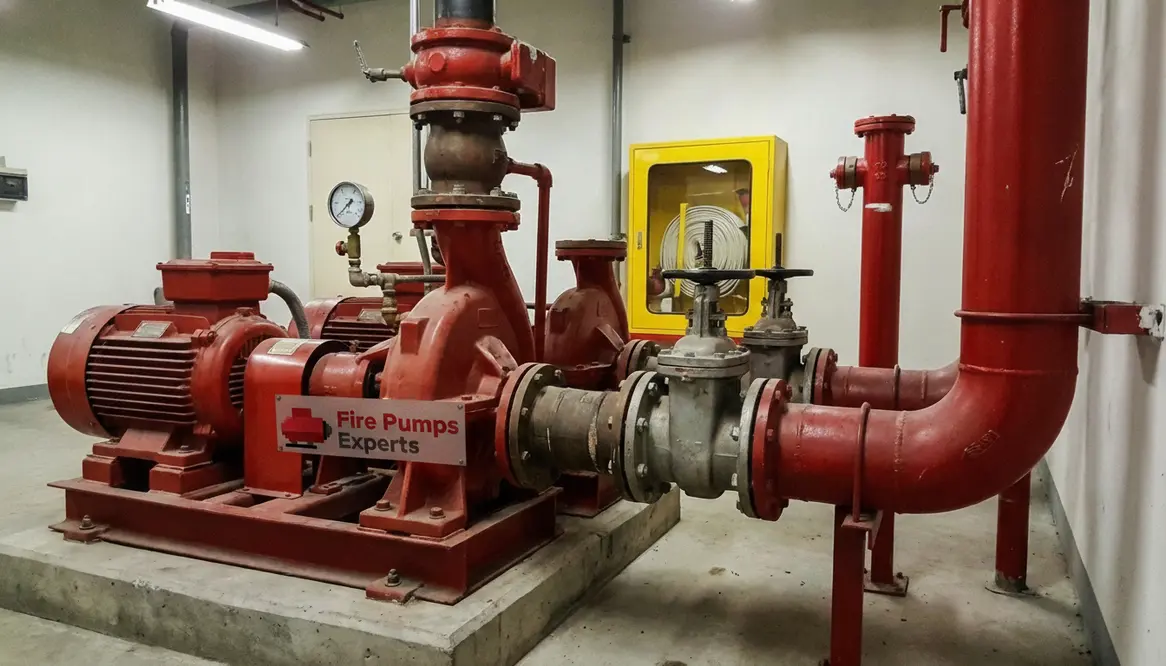
The water supply starts the whole chain. It may come from a public main, a storage tank, or both. However, in many large commercial and industrial sites, the supply alone is not enough. That is where the fire pump steps in like the lead guitarist at a stadium show. It boosts pressure so water can reach distant hydrants and upper levels with force.
Pump Types and Roles
Common pump types include electric pumps, diesel pumps, and jockey pumps. The jockey pump keeps pressure stable and stops the main pump from starting too often. Meanwhile, the main pump handles the heavy work during a fire event. I always look at these pumps as the system’s muscle and balance combined. One pushes hard, and the other keeps things calm.
Fire Hydrant System Components in the Field
Here is a simple look at the parts that matter most on site:
Component
Fire pump
Pipes and fittings
Hydrant valves
Hose cabinets and reels
Water tank
What it does
Raises water pressure for emergency use
Move water through the building or site
Let firefighters connect and control flow
Store hose equipment for quick use
Provides reserve water when supply is limited
This setup helps me see the system as one connected chain. If one link fails, the rest must work harder. That is why routine checks are not optional. They are the difference between a system that performs and one that merely looks impressive on paper.
How Pipes, Valves, and Hydrants Work Together
The pipe network carries water from the pump to each hydrant point. Because pressure loss can happen over long distances, engineers size the pipes with care. Bigger sites often need larger pipe runs, more zones, and careful valve placement. Valves let teams isolate sections for service without shutting down the whole system. That is a relief, because nobody wants a full shutdown just to fix one part.
Hydrant outlets sit at strategic points so firefighters can connect hoses fast. They need clear access, solid mounting, and enough room for operation. I always say a hydrant buried behind storage racks or parked trucks is like Batman with no cape. Technically still there, but not very useful when the moment arrives.
How Fire Hydrant Accessories Improve Safety
Accessories may seem small, yet they make a big difference. Hose cabinets store hoses neatly and protect them from dust and damage. Branch pipes help control the spray pattern. Nozzles shape the flow for better reach and control. In some systems, pressure gauges, alarm switches, and control panels also support safe operation.
These parts do more than sit pretty. They help teams inspect performance, spot faults early, and keep the system ready. As a result, the whole setup stays dependable over time. When you look at all these fire hydrant system components together, the value of those “little extras” becomes very clear.
Why Inspection and Maintenance Matter
A hydrant system can age quietly, and that is exactly why regular checks matter. I look for leaks, corrosion, low pressure, blocked outlets, pump issues, and damaged hoses. Also, I make sure the control valves stay open and accessible. A system that fails during an emergency is not a system. It is a very expensive decoration.
For commercial and industrial facilities, maintenance should follow a clear schedule. That includes testing pumps, checking tank levels, and confirming that all access points stay open. If you want deeper guidance on system planning and upkeep, I recommend reviewing a trusted resource like https://firepumps.org for site focused support.
Consistent care keeps your fire hydrant system components working as intended instead of waiting to surprise you in the worst possible moment.
FAQ
Conclusion
I see fire hydrant systems as silent guardians for commercial and industrial properties, and they deserve serious attention. If you manage a large facility, now is the time to review your layout, test your equipment, and confirm every part is ready to perform. Do not wait for an emergency to find a weak point. Act now, inspect often, and build a system that stands ready when people need it most, with every one of your fire hydrant system components doing exactly what it was designed to do.