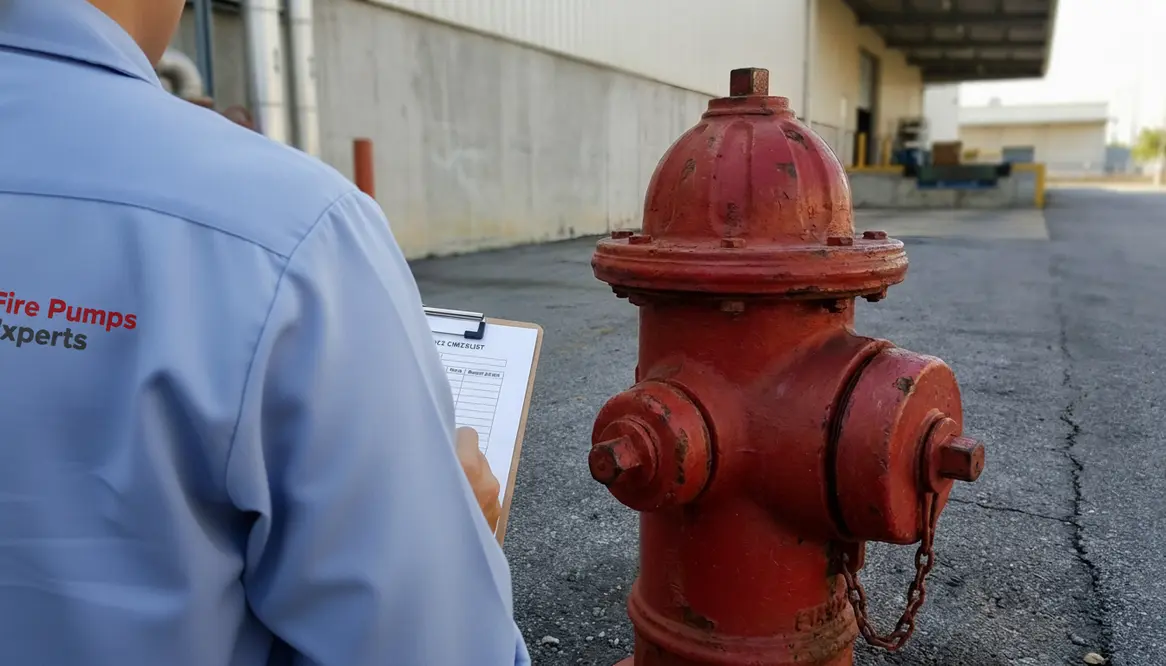
Fire Hydrant Checklist for Commercial Buildings
Fire Hydrant Maintenance Checklist for Commercial Buildings
When I walk into a commercial building, I like to think of the fire hydrant system as the quiet security guard nobody cheers for until the alarm rings. That is why I keep a fire hydrant maintenance checklist close at hand. It helps me catch small problems before they turn into big, smoky drama. In commercial and industrial sites, one weak hydrant can slow response time, damage property, and raise risk for everyone inside. So, I treat this work with the same steady focus I would give a control room in a thriller movie. Calm hands. Sharp eyes. No surprises.
Why I check fire hydrants before trouble starts
I never wait for an emergency to find a fault. Instead, I check hydrants on a set schedule because prevention saves time, money, and stress. Commercial buildings often have more moving parts, more foot traffic, and more pressure on safety systems. As a result, I look for leaks, damage, rust, missing caps, poor access, and signs of tampering. Then I confirm that each hydrant can do its job fast.
Also, regular checks support compliance and reduce the chance of system failure during an incident. A hydrant that looks fine from a distance can still fail under pressure. That is the kind of plot twist nobody wants.
Fire hydrant maintenance checklist for commercial buildings
Here is the practical fire hydrant maintenance checklist I use for major commercial and industrial properties. I keep it simple, but I never cut corners.
Checklist items
- Inspect the hydrant body for rust, cracks, dents, and leaks
- Make sure caps, chains, and valves are in place and secure
- Check clear access around the hydrant and remove blocked items
- Confirm the hydrant is visible and properly marked
- Test water flow and pressure based on site requirements
- Look for signs of frozen parts, corrosion, or worn fittings
- Verify that drainage works after operation
- Check that the hydrant opens and closes smoothly
- Record faults, repairs, test results, and follow up actions
- Schedule prompt repairs for any failed item
In practice, I also review surrounding pavement, fencing, lighting, and vehicle access. After all, a hydrant hidden behind stacked pallets may be as useful as a superhero stuck in traffic.
How I inspect hydrant parts and access points
First, I look at the hydrant shell and fittings. Surface rust may seem harmless, but it can point to deeper wear. Next, I check the valve stem and caps. If they are stiff, damaged, or missing, I treat that as a warning sign. Then I move to the area around the hydrant. Commercial properties often change fast, so storage zones, parked cars, and waste bins can creep into the access space.
Because response crews need quick entry, I make sure nothing blocks the unit. I also confirm that signs, paint, and labels remain clear. If staff cannot find the hydrant in low light or smoke, the system loses value fast. So, visibility matters just as much as function.
Dual column view of what I check and why it matters
What I check
- Leaks or drips
- Valve operation
- Clear access
- Test records
- Drainage after use
Why it matters
- They can signal pressure loss or internal damage
- It shows whether the hydrant opens without delay
- It helps emergency crews reach the hydrant fast
- They prove the system has been checked and maintained
- It reduces water buildup and future damage
Hydrant testing, compliance, and record keeping
Testing does more than tick a box. It tells me whether the hydrant can deliver water at the right pressure and flow. That matters because a shiny hydrant with weak output is like a sports car with no engine. Nice to look at, not much help in a crisis.
For Australian commercial sites, I also keep compliance in mind. I use trusted guidance and site records to support scheduled testing and maintenance. If you want a solid technical reference, I recommend reading AS 2419 fire hydrant testing and maintenance compliance in Australia. It helps explain the standards behind this work and why proper testing matters for major properties.
Just as important, I keep clear records of every inspection, repair, and flow test. That way, I can track patterns over time. If a hydrant keeps failing, I do not guess. I act. Good records also help facility teams, auditors, and fire safety contractors stay on the same page.
All of this rolls back into my fire hydrant maintenance checklist, which pulls testing routines, visual inspections, and record keeping into one place so nothing gets missed on busy commercial sites.
FAQ for commercial property managers
Final thoughts and next step
If you manage a commercial building, I urge you to treat hydrant care as a core safety task, not a side note. A strong fire hydrant maintenance checklist protects people, supports compliance, and keeps your site ready when it counts. So, review your hydrants, fix faults fast, and keep records tight. If you need expert support for commercial or industrial properties, now is the time to act. I would rather help you prevent a problem than explain one after the smoke clears.