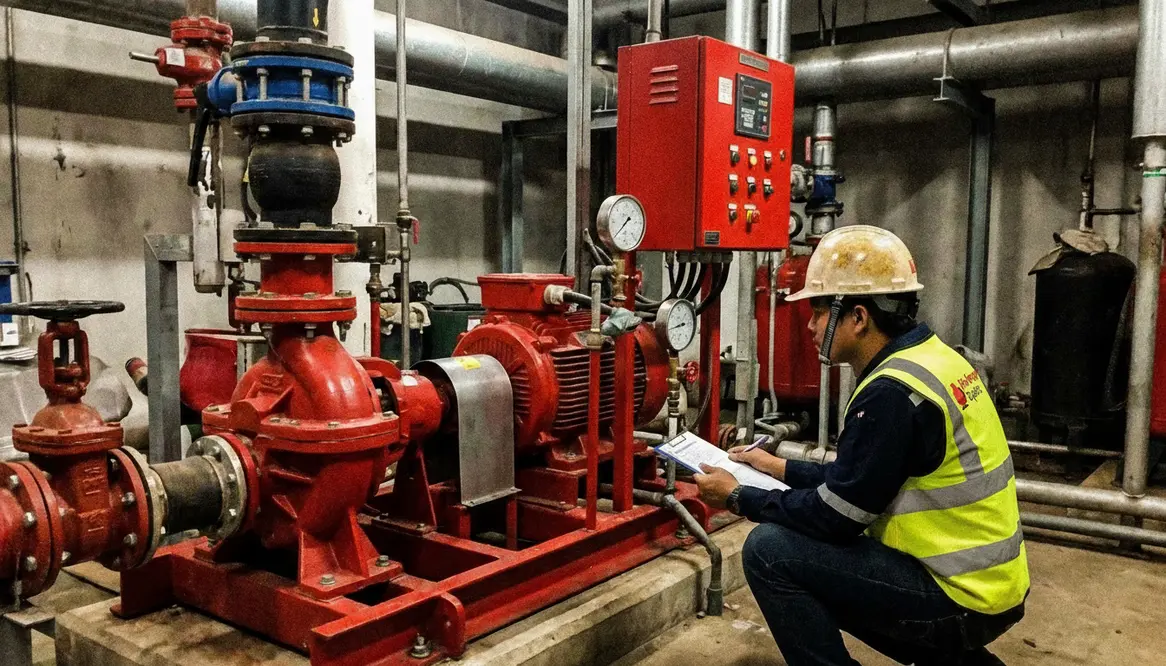
Annual Fire Pump Inspection Requirements Guide
Annual Fire Pump Inspection Requirements Explained
I take fire protection seriously, because when a fire pump fails, the whole system can turn into an expensive spectator sport. That is why the annual fire pump inspection matters so much for commercial and industrial facilities, as well as major property buildings. In plain terms, I check the pump, the controls, the power source, and the water supply to make sure the system will do its job when pressure drops and the alarms start singing. A yearly inspection does more than satisfy a rule. It helps protect people, property, and business continuity. And yes, it also helps keep your insurance team from giving you that look.
Below, I break down what the inspection involves, why it matters, and how I approach it in a way that keeps the building ready for real world action.
What I check during the annual fire pump inspection
When I perform an annual fire pump inspection, I start with the basics and then move into the details that reveal how the system really behaves. I look at the pump casing, bearings, seals, valves, couplings, and the driver. I also check for leaks, corrosion, odd vibration, and signs of wear that can signal trouble ahead. Then I test the controller, verify alarm signals, and confirm that the pump starts the way it should.
Next, I review the suction and discharge conditions, because a fire pump cannot fight a fire if it cannot breathe or move water properly. I also inspect the power supply, fuel supply for diesel units, and the battery system if the pump depends on one. In many cases, I compare the results against the required standards and the site history, because a change from last year often tells me more than a single reading ever could.
Why compliance matters for commercial and industrial sites
For commercial and industrial facilities, compliance is not just paperwork dressed up in a hard hat. It protects assets, operations, and people inside large buildings that depend on reliable fire suppression. A missed issue can become a shutdown, a failed audit, or worse, a pump that refuses to perform in an emergency. That is a plot twist nobody wants.
In Australia, fire pump testing and maintenance must align with the right codes and site needs. I often recommend reviewing a trusted resource like AS 2419 fire pump testing and maintenance compliance guidance when planning your maintenance program. It helps build a clearer picture of what a proper inspection should support, especially for larger sites with higher risk and more complex systems.
Inspection steps I follow from start to finish
I keep the process structured, because fire protection works best when nothing gets guessed. Here is the flow I use:
Mechanical checks
- Inspect pump body, shaft, seals, and bearings
- Look for leaks, rust, loose parts, and damage
- Confirm valve position and pipe support
Operational checks
- Start the pump under test conditions
- Confirm controller response and alarms
- Check pressure, flow, and run performance
After that, I document everything. This matters because good records show trends, support repairs, and prove the system receives proper care. Also, if a building ever faces scrutiny, clean records can save time and headaches. And in my world, fewer headaches always sounds like a hit single.
How I spot problems before they become failures
The best part of an annual fire pump inspection is catching small issues before they grow teeth. A pump may still run even while seals wear down or pressure weakens. However, those warning signs often show up first in the sound, vibration, or startup timing. I pay close attention to unusual noise, delayed starts, unstable pressure, and weak test results.
For diesel fire pumps, I watch fuel quality, battery health, coolant levels, and exhaust issues. For electric units, I check the power feed, starter components, and controller health. In both cases, I look for anything that could slow the pump down when the heat is on. A fire pump should not behave like a sleepy side character. It needs to work on cue, every time.
How often I recommend follow up and what happens next
The annual inspection gives me the big picture, but it should sit inside a wider maintenance plan. I usually recommend follow up checks after repairs, after major building changes, or after any event that may affect the fire protection system. If the pump room floods, the power supply shifts, or the building expands, I want the system checked again without delay.
After the inspection, I review the findings with the site team and suggest the next steps. That may include repair, replacement, deeper testing, or a tighter maintenance schedule. The goal is simple: keep the pump ready, keep the building protected, and keep the business moving. Fire safety should never feel like a mystery box. It should feel managed, clear, and ready for the real world.
If you manage a commercial, industrial, or major property site, I recommend treating your fire pump like the serious piece of life safety equipment it is. Schedule the annual fire pump inspection, review the results, and fix small issues before they become big ones. If you want your system dependable, your records clean, and your building better protected, now is the time to act. Contact a qualified fire protection specialist today and keep your fire pump ready for the day nobody wants, but everybody must prepare for.
Putting the annual fire pump inspection to work for your site
Protecting people, property, and operations
A well-planned annual fire pump inspection does more than tick a compliance box. It gives you confidence that sprinklers will have the pressure they need, that hydrants will perform when crews arrive, and that your evacuation and emergency plans are backed by real water power, not wishful thinking.
Connecting inspections with long-term maintenance
Treat the annual fire pump inspection as the anchor point in your maintenance calendar. Pair it with routine weekly or monthly pump runs, valve inspections, and alarm checks so the system never drifts far from its ideal condition. When trends show declining performance, you can plan upgrades before a failure forces your hand.
Supporting audits, insurance, and stakeholders
Well-documented results from each annual fire pump inspection also calm nerves in boardrooms and during third-party audits. They show that the system is inspected, tested, and repaired in a controlled, predictable way. That kind of proof can support insurance discussions, capital planning, and any safety review that looks beyond the surface.
FAQ
Conclusion
If you manage a commercial, industrial, or major property site, I recommend treating your fire pump like the serious piece of life safety equipment it is. Schedule the annual fire pump inspection, review the results, and fix small issues before they become big ones. If you want your system dependable, your records clean, and your building better protected, now is the time to act. Contact a qualified fire protection specialist today and keep your fire pump ready for the day nobody wants, but everybody must prepare for.